How To Feed A 6-month-old Baby
 Author: Leticia Celentano
Time for reading: ~3
minutes
Last Updated:
August 08, 2022
Author: Leticia Celentano
Time for reading: ~3
minutes
Last Updated:
August 08, 2022
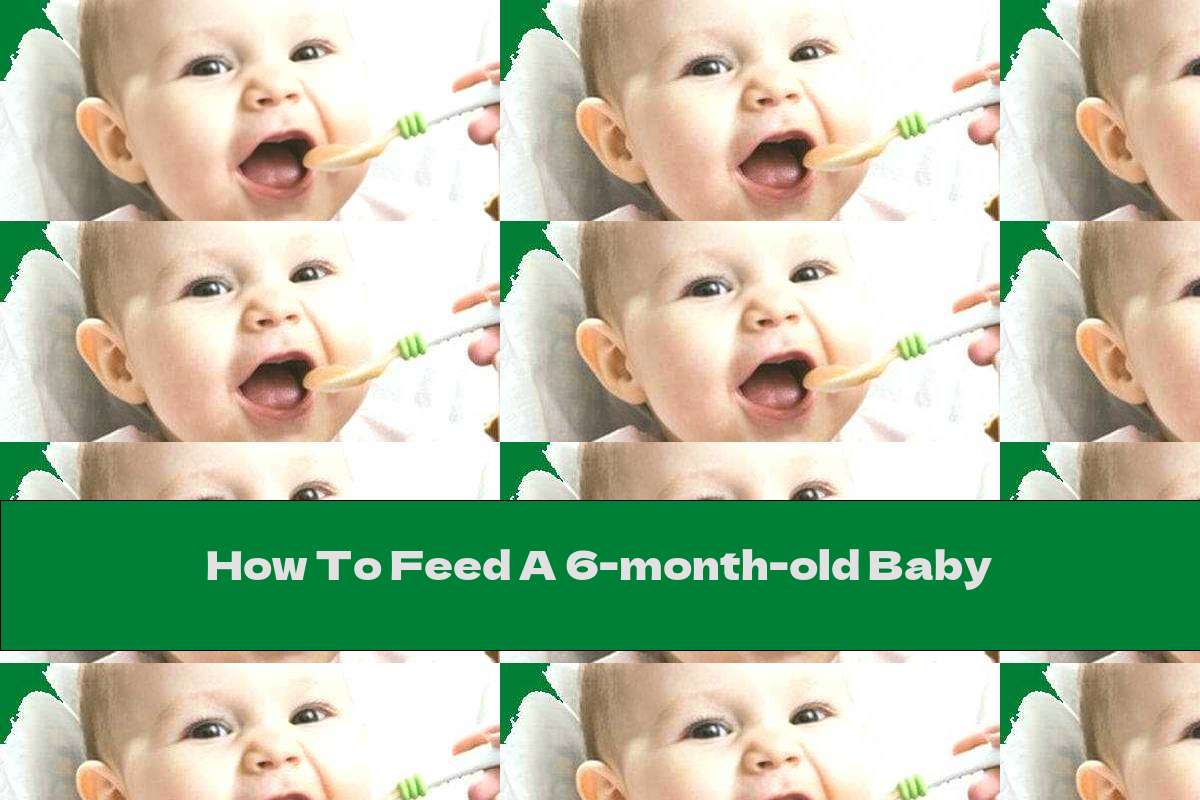
At the age of 6 months the child takes: Milk-vegetable puree Milk-vegetable puree is the first food that is given to children during the feeding period. Start with 2 teaspoons, gradually amounting
At the age of 6 months the child accepts :
Milk and vegetable puree
Milk and vegetable puree is the first food that is given to children during the feeding period. Start with 2 teaspoons, gradually increasing the amount, until after ten days replace a whole meal (about 150 - 160 grams). Vegetable puree must contain milk. In the beginning it should be made from more easily tolerated for the child's body vegetables - potatoes and carrots, then continue with green peas, broccoli, cauliflower, pumpkin, peppers, tomatoes, zucchini and nettles. Potatoes and carrots are especially valuable food for children because they facilitate digestion and have an antidiarrheal effect. Spinach and vegetables, which could contain more nitrates, are introduced after the 9th month. If the mother prefers to prepare the baby's food at home, then she should use organic vegetables. Such are those for the cultivation of which pesticides and other chemicals have not been used and are usually more expensive because the quality requirements are higher. Frozen products can also be used to make milk and vegetable puree, because vitamins and minerals are well preserved.
Very often the child does not like a certain type of vegetable. In this case, you can try another. It is possible to replace the vegetable puree with a porridge that contains vegetables, and after a while to give the puree again. If the child has an indigestion (diarrhea) or gets sick often, it is better to feed him ready-made gluten-free milk-flour porridge, which is easier to digest, tastes better, has a higher energy value than other nutritious foods. and is better tolerated by capricious children.
Fruit juice
The World Health Organization (WHO) recommends that infants not take juices for the first 6 months because breast milk or formula provides enough vitamins, minerals and probiotics. After the 6th month, vegetable and fruit juices supply vitamins, mineral salts, organic acids, glucose, fructose, pectin and substances with antibacterial effect, which activate gastric secretion and improve intestinal motility. In the beginning, it starts with giving apple juice, which is well tolerated by babies. Juices from carrots, cherries, peaches, apricots, cherries are also suitable. Citrus fruits, kiwis, strawberries and raspberries in some children can cause allergic reactions, especially in the presence of a family history of allergies. Such products are included in the menu later. Some fruits have a laxative (plums, pears, tomatoes, grapes), and other burning (apples, carrots, cherries, lemon) effect. To check the tolerability of the child, start with giving 1 - 2 teaspoons, then gradually increase the amount, but not more than 100 milliliters after the 6th month. Intake of large amounts may cause a disorder or reduce the volume of milk consumed. The juice should be 100% natural fruit and without additives. It should be consumed only immediately after preparation, not stagnant in the pacifier and not given before bedtime or during sleep, because it can cause tooth decay. Intake of large amounts may cause a disorder or reduce the volume of milk consumed. The juice should be 100% natural fruit and without additives. It should be consumed only immediately after preparation, not stagnant in the pacifier and not given before bedtime or during sleep, because it can cause tooth decay. Intake of large amounts may cause a disorder or reduce the volume of milk consumed. The juice should be 100% natural fruit and without additives. It should be consumed only immediately after preparation, not stagnant in the pacifier and not given before bedtime or during sleep, because it can cause tooth decay.
- Useful tips and rules when feeding your baby
- Order of introduction of new foods in babies (8-12 months)
- The effects of smoking, alcohol and drugs during breastfeeding
- How to prepare formula
Related Articles
- Nutrition Guide: Breastfeeding for Infants and Mothers
- The Benefits of Night Breastfeeding for Nutrition: A Complete Guide
- The Importance of Night Breastfeeding for Nutrition: Benefits for Your Baby
- Night Breastfeeding for Nutrition: Benefits, Nutritional Composition, and Recipes
- The Ultimate Guide to Breastfeeding in Nutrition: Benefits, Diets, Concerns, and Recipes