How To Know The Products That Carry Cancer?
 Author: Joe Fowler
Time for reading: ~2
minutes
Last Updated:
August 08, 2022
Author: Joe Fowler
Time for reading: ~2
minutes
Last Updated:
August 08, 2022
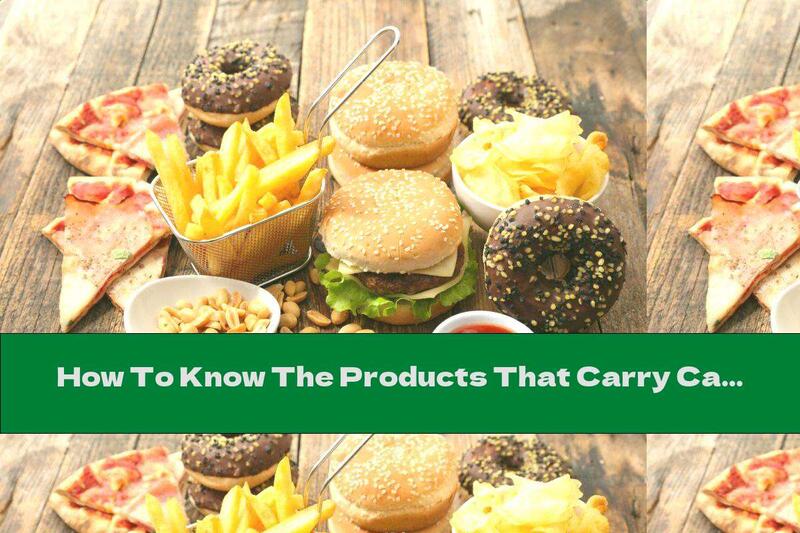
A large-scale study links ultra-processed foods to a high risk of breast cancer in general and breast cancer in particular.
Research to date has shown that ultra-processed foods carry a high risk of obesity, high blood pressure and cholesterol. A team from Harvard's Department of Health and Population is examining whether there is a link between ultra-processed foods and the risk of developing cancer, specifically breast, bowel and prostate cancer.
The team provides the renowned British Medical Journal with a list of food traits for which such dependence can be sought. The results of their study show that the large increase in consumption of processed foods in recent decades portends an increased incidence of cancer in the next few.
In the NOVA international classification, these products are designated as ultra-processed and they may differ from the consumer on the following grounds:
- Presence of 5 and more ingredients,
- Presence of substances not used in non-industrial cooking,
- Presence of additives that mask unpleasant properties of the product or imitate pleasant ones;
- Aggressive market enforcement.
The list of ultra-processed products includes:
- Packaged heat-treated product that has a long shelf life;
- Sweet and savory snacks such as chips, snacks, crackers and more.
- Chocolate and confectionery, including sweets;
- Carbonated soft and other sweetened beverages;
- Ready-to-eat products of various types of meat and fish;
- Prepared soups and sauces;
- Ready-made frozen foods, included and prepared in restaurants - pizzas, burgers and other.
- Rich in sugars, fats and salt, ready-made foods, poor in vitamins and fiber (50% of the food consumed by modern Western man is named after this one).
The research team draws its conclusions from the study of eating habits of 104,980 people (22% men and 78% women) with an average age of 43 years. Volunteers fill out special questionnaires aimed at measuring the consumption of 3,300 different foods. They are grouped separately by degree of treatment, and cancer cases are documented through the medical file and the national database for 5 years.
During the study, the team reported several known cancer risk factors such as age, gender, education, smoking and physical activity.
The analysis found that increased consumption of ultra-processed foods by 10% led to a 12% increase in overall cancer risk and an 11% increase in breast cancer risk. Such a link is not found for colorectal and prostate cancer.
The team found no significant link between cancer and consumption of less processed foods, such as canned vegetables, cheese, fresh unpackaged bread. Consumption of fresh and minimally processed foods such as fruits, vegetables, legumes, rice, pasta, meat, fish, eggs and milk is the lowest risk in terms of cancer and breast cancer.
This is the first study to examine the link between the increased risk of cancer and, in particular, breast cancer with the consumption of ultra-processed foods, its authors point out.
Related Articles
- The Importance of Accessible Vegetarian Products: Health Benefits & Tips
- The Truth About E477 in Food: What You Need to Know
- The Nutritional Value of Potato Chips: What You Need to Know
- The Nutritional Value of Lays Potato Chips: What You Need to Know
- E 631: What You Need to Know About This Food Additive
Top Nutrition Articles Today
- . The Relationship Between The Liver And Hemoglobin: We Unders...
- . 30 Grams Of Carbs
- . List of Foods that Contain Carrageenan: A Guide to Avoiding...
- . How To Cook Garlic Paste With Eggs And Cheese - Recipe
- . Sepsis
- . Foods High In Folate And B12
- . Understanding Acidity Regulators in Nutrition: Types, Benefi...
- . The Role of Nitrogen in Nutrition: Importance and Sources
- . Lamb Kidneys
- . The Role of K12 in Nutrition: Benefits, Sources, and Recomme...