Hyperthyroidism Is Treated With Black Radish
 Author: Alexander Bruni
Time for reading: ~1
minutes
Last Updated:
August 08, 2022
Author: Alexander Bruni
Time for reading: ~1
minutes
Last Updated:
August 08, 2022
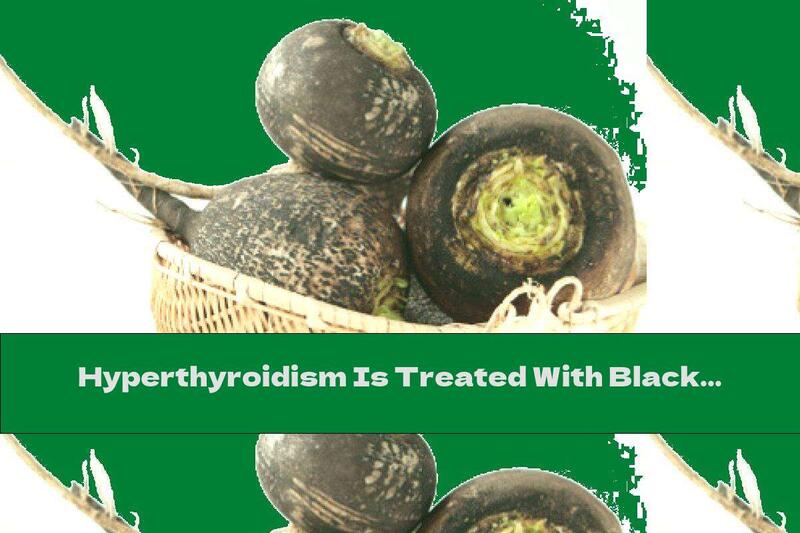
Black radish can promote health in various aspects. Helps with constipation, cough and more ..
Black radish is from the cruciferous family. It is known that the Egyptians made oil from its seeds, but it is believed that the vegetable originated in Asia. It is a root vegetable that has a black skin, but under it its color is white. Turnips contain useful nutrients that bring a number of health benefits.
Black radish contains vitamins C, B1 , as well as magnesium and calcium, which help clear the liver and gallbladder and stimulate the production of bile.
Recent studies have found that root vegetables can regulate blood pressure levels due to potassium levels.
Its consumption is also recommended for digestive problems , as it prevents constipation . This property is due to the rich content of fiber and water. A diet rich in fiber, combined with plenty of fluids, helps with regular bowel movements, which has a beneficial effect on the overall health of the gut.
Black radish is also useful in hyperthyroidism - increased thyroid function . It contains a substance that helps keep hormone levels released by the thyroid gland balanced. All cruciferous vegetables suppress the secretion of thyroid hormones, but the most effective of all is black radish .
The root vegetable is also known for its beneficial cough properties . The recipe is as follows: you need to dig a hole in the turnip, in which to add a teaspoon of sugar and leave to stand overnight.
In the morning you will notice that the vegetable juice begins to collect in the carved place. One teaspoon should be consumed after a meal. Each time you take a spoonful of juice, add a teaspoon of sugar.
Related Articles
- Nutrition for Respiratory Health: Supporting Your Lungs with the Right Foods
- Boost Digestive Health with Buffer 500 - Benefits & Recipes
- Boost Your Health with Buffer 500: Benefits, Recipes, and More
- Nutrition and Libido: Enhance Your Sex Drive with the Right Foods
- Nutrition and Libido: Boost Your Sex Drive with Healthy Eating
Top Nutrition Articles Today
- . High Flavonoid Cocoa Powder
- . The Role of Acidity in Nutrition: Understanding pH Levels an...
- . The Power of Bella: Health Benefits, Recipes, and More
- . Diet After Surgery Of The Small And Large Intestine
- . Nutrition in 2025: Trends, Technologies, and Future Outlook
- . Nutritional Benefits of Champignons: A Healthy Addition to Y...
- . The Truth About Potato Chips: Health Effects and Alternative...
- . How To Reduce Appetite
- . The Role of K12 in Nutrition: Benefits, Sources, and Recomme...
- . Persimmons - Benefits And Harms To Health