Is A Vegan Diet Suitable For Children?
 Author: Victoria Aly
Time for reading: ~3
minutes
Last Updated:
August 08, 2022
Author: Victoria Aly
Time for reading: ~3
minutes
Last Updated:
August 08, 2022
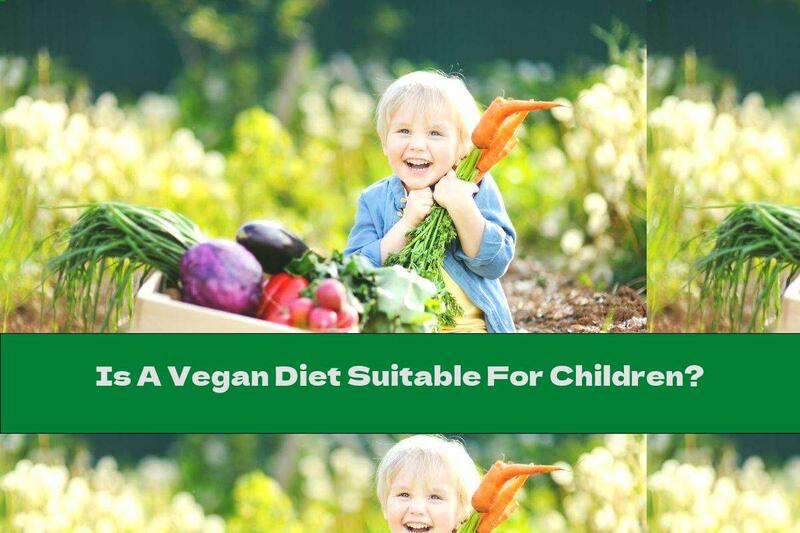
The high fiber content of the vegan diet can disrupt the normal absorption of nutrients.
According to a study conducted in the United States, approximately 1% of children between the ages of 8 and 18 follow a vegetarian or vegan diet. Vegetarianism in older children and teenagers is accepted with less concern. But the use of this type of diet in young children is condemned by nutritionists.
Proponents of vegetarianism and veganism argue that consuming animal foods in childhood is a prerequisite for obesity, clogged arteries and other chronic diseases. They believe that the consumption of animal products is a loss of valuable natural resources, increases environmental pollution and is immoral.
As a counterpoint to these claims, nutritionists emphasize the importance of animal food for humans, especially in childhood. Depriving children of animal products can lead to serious health problems.
Despite the great contradictions, there are truths on both sides. For example, there are documented cases of severe growth retardation in children on a vegan diet. They are rare, but there are cases of child death for the same reason.
The results show an acute lack of vitamin B12, D, iron, calcium and protein. These are nutrients that are obtained mainly from animal products and their absorption is many times greater than plant sources.
Their deficiency is a serious threat to human life and health. For example, the lack of vitamin D, zinc and calcium hinders the normal growth and strengthening of bones as well as the accumulation of the necessary bone mass. Vitamin B12 deficiency can cause anemia and neurological disorders.
Another problem with vegan diets is the insufficient amount of protein , which is the basis of the normal course of all processes in the body - growth, development, energy supply, etc.
Parents should be aware of the fact that vegan diets are high in fiber and low in fat. A combination that is very dangerous for any child. In childhood, large amounts of fiber in the diet can disrupt the absorption of nutrients from food.
Moreover, the main foods in this type of diet are wheat, soy, nuts, which provoke allergic reactions in early childhood.
The American Nutrition Agency, together with the American Pediatric Association, is taking on the challenge of creating a balanced vegan diet for children that provides the necessary nutrients for the growing body.
Most health organizations remain reserved for the project. Instead, they are calling for more moderation in childhood nutrition. There are several reasons:
- Some parents do not have the necessary knowledge to make a balanced menu that provides the necessary nutrients for normal growth and development.
- Most children are picky about food and often tend to eat the same foods, which will inevitably lead to nutritional deficiencies.
- The high fiber content of vegan diets is unacceptable in childhood.
- Children have small stomachs. They are not able to eat the necessary amounts of plant foods that can provide the necessary nutrients.
For these and other reasons, nutrition experts advise parents to be more moderate in determining their children's diet. A diet dominated by plant foods can be supplemented with fish, dairy products and eggs.
After the age of 8-10, reducing fat, increasing fiber, and antioxidants in vegan diets will not have a negative impact on their health, on the contrary, it will help them lead a healthy lifestyle.
However, people who consume animal products can also lead a healthy lifestyle. This is possible when you make a varied and balanced diet, including different types of meat, dairy products, whole grains and of course lots of fruits and vegetables.
This type of diet would not be deficient in essential nutrients such as vitamin B12, zinc, iron, calcium and vitamin D.
The appropriateness of a vegan diet depends on several factors. In young children and babies, this would be risky, as well as in adults with impaired digestion.
Although vegan diets are being developed for adolescents, they are not well received by health professionals.
Related Articles
- The Nutritional Value of Avocado Calories: Benefits, Diet Tips, and Recipes
- The Ultimate Guide to Diet ��� 7 for Improved Nutrition
- The Nutritional Value of Potato Chips: How They Fit Into a Healthy Diet
- Nutritional Benefits of Chowmein: A Healthy Addition to Your Diet
- The Ultimate Guide to a Healthy Diet: Benefits, Components, and Tips