Is Beer Effective Against Colds ?!
 Author: Dean Rouseberg
Time for reading: ~1
minutes
Last Updated:
August 08, 2022
Author: Dean Rouseberg
Time for reading: ~1
minutes
Last Updated:
August 08, 2022
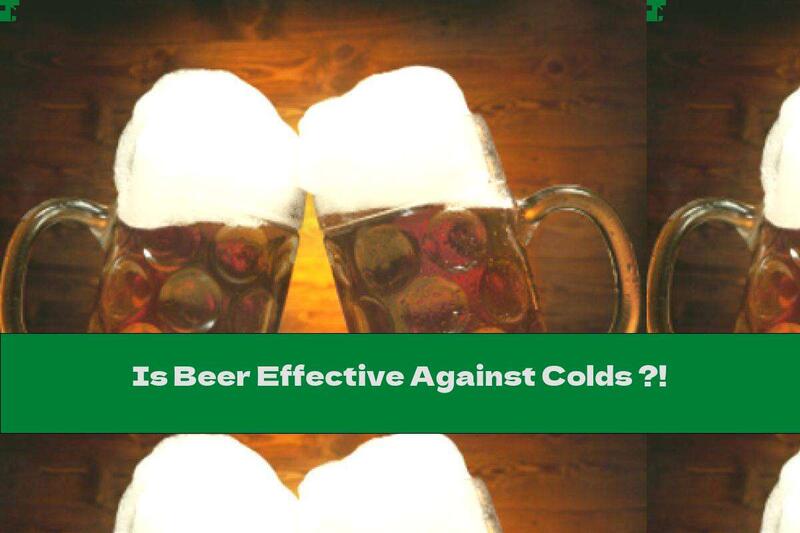
An ingredient in beer has anti-inflammatory action and is effective against respiratory syncytial virus.
A key ingredient in beer helps prevent colds, researchers at the Medical University of Sapporo, Japan, have found.
It turns out that an ingredient in hops, humulone, has anti-inflammatory action and is effective against respiratory syncytial virus.
The virus can lead to the development of pneumonia and difficulty breathing in infants and young children, explains Juni Fuchimoto of the research team.
Especially often during the cold winter months, the virus can also cause symptoms similar to those of the common cold in adults.
Experts believe that it is a good idea to create foods and soft drinks containing humulone that can be consumed by both adults and children.
Other studies also highlight the beneficial properties of beer. Consumption of beer can help build healthy bones due to the high silicon content in beer.
The mineral is important for the growth and development of bones and connective tissue and helps reduce the risk of bone thinning and osteoporosis.
Beer contains natural antioxidants and vitamins that help prevent heart disease and muscle recovery.
Dark species contain more antioxidants than light ones. The beneficial ingredients are effective in preventing cell damage.
Hops in beer contain polyphenols, which have antiviral action and help fight cancer and lower "bad" cholesterol.
Experts do not fail to note that beer is healthy when consumed in moderation. Excess alcohol can lead to weight gain, dehydration and many other, more serious health problems.
Related Articles
- Michelob Ultra Calories: A Low-Calorie Beer Option for Your Diet
- Nutrition and Lifestyle Choices for Effective Weight Management
- Lifestyle Choices for Effective Weight Management | Nutrition Tips
- Lifestyle Choices for Effective Weight Management: Nutrition, Diets, Recipes & More
- Lifestyle Choices for Effective Weight Management: Nutrition, Exercise, and More