Is Fruit Juice A Healthy Alternative?
 Author: Mark Velov
Time for reading: ~1
minutes
Last Updated:
August 08, 2022
Author: Mark Velov
Time for reading: ~1
minutes
Last Updated:
August 08, 2022
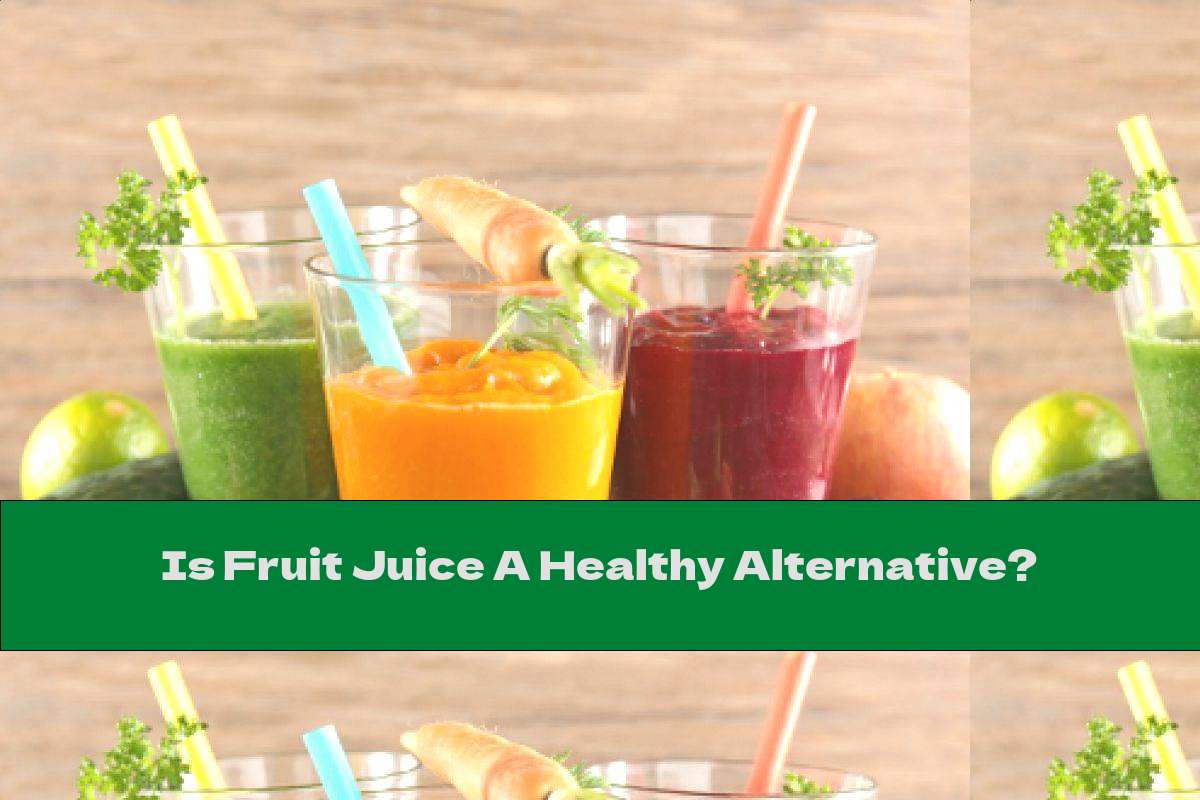
In this article, learn more about Is Fruit Juice A Healthy Alternative?. Although the sugar in fruit juices is natural, it is not harmless..
Fruit juice is considered part of a balanced diet as it provides the necessary vitamins and minerals. It is important to keep in mind that fruit juices are not exactly a healthy alternative to fizzy drinks.
According to a study published in the British Medical Journal , 40% of juices and smoothies contain at least 19 g of sugar, which is equivalent to one tablespoon.
Sugar from fruit juices is natural, but this does not mean that it is harmless to health.
It is called 'fructose' and is characterized by the fact that it does not cause such large 'jumps' in blood sugar levels , but increases the amount of fat in the liver, which can subsequently lead to the development of disease.
The small amounts of fructose in the apple are unlikely to cause problems when combined with fiber . They protect against the effects of sugar and slow down its absorption by the body. In the juice, however, the fibers are removed and so we are less likely to feel full .
Nutritionists recommend consuming the whole fruit instead of its juice, which is especially important for children. If you still consume fruit juice , dilute it with a little water .
We will be fuller if we eat an apple and drink a glass of water than if we consume a glass of apple juice.
It is important to be careful with the consumption of known harmful drinks that contain large amounts of added sugar . Researchers warn that their dietary options are also not safe.
According to various studies, the consumption of such drinks leads to weight gain to a greater extent than those that contain sugar .
Related Articles
- The Ultimate Guide to Hickory Smoked Bacon in Nutrition and Healthy Eating
- Fruitskewers in Honey Syrup: Nutritional Benefits and Recipes
- Nutritional Benefits of Fruit Skewers in Honey Syrup: A Delicious and Healthy Recipe
- Nutrition Guide: Fruitskewers in Honey Syrup - Benefits, Recipes, and More
- Nutritional Benefits of Fruit Skewers in Honey Syrup: A Healthy and Delicious Snack
Top Nutrition Articles Today
- . 30 Grams Of Carbs
- . Steroids in Eggs: Separating Fact from Fiction | Nutrition a...
- . Black Chickpeas Nutrition
- . Understanding Acidity Regulators in Nutrition: Types, Benefi...
- . The Relationship Between The Liver And Hemoglobin: We Unders...
- . The Power of 100% Cocoa Dark Chocolate: Benefits and Uses
- . Ligament Vitamins: Signs Of Deficiency And Daily Value
- . Are Simple Sugars The Culprits For Most Diseases
- . Nutrition In Urethritis (inflamed Urethra / Urethra)
- . Sepsis