Is It Filled With Carbonated Water?
 Author: Maryam Ayres
Time for reading: ~1
minutes
Last Updated:
August 08, 2022
Author: Maryam Ayres
Time for reading: ~1
minutes
Last Updated:
August 08, 2022
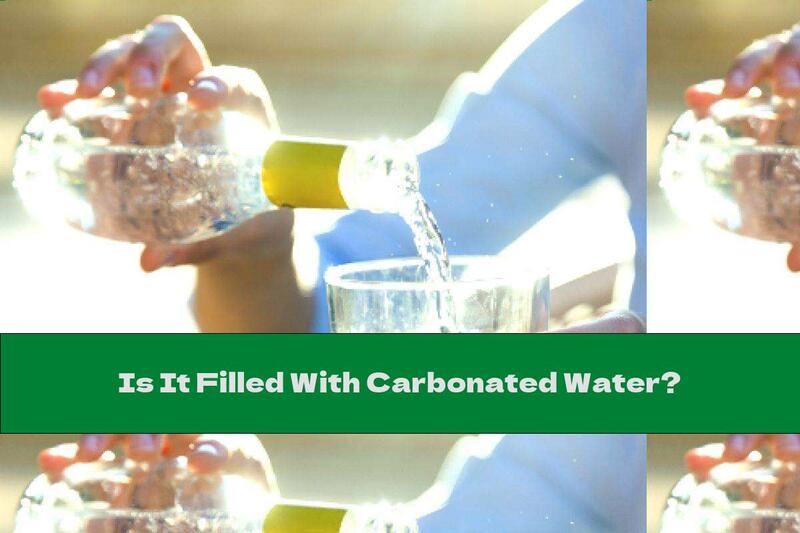
Even unsweetened, plain carbonated water increases the risk of obesity - leading to hormonal disorders that increase appetite.
Carbonated water leads to obesity by overstimulating the appetite. Palestinian scientists from Birzeit University came to this conclusion in their study. Their study was published in the respected journal Obesity Research and Clinical Practice on 02/19/2017.
Initially, they wanted to determine what was more harmful in carbonated fruit and other beverages - added sugar or the carbon dioxide itself used for soda, as well as to clarify the nature of their relationship to the obesity epidemic.
In their study, the researchers found that individuals who ate more diet or regular carbonated beverages consumed more food and gained more excess weight. This has been reported by other studies - the consumption of sweetened carbonated beverages stimulates the production of the hormone ghrelin , a neurochemical that regulates hunger and satiety .
Palestinian researchers found a similar relationship when comparing the eating habits of young men - those who used mostly plain, tap or mineral water and non-carbonated beverages were significantly less prone to obesity and had optimal ghrelin levels in their blood.
Obesity is due to many health, environmental, genetic and social factors. Numerous studies point to carbonated drinks as one of the causes, but only because of the sweeteners and sugars present in them.
The Palestinian study points out that similar effects are observed in the consumption of the most common carbonated water and suggest that the cause is the same - the carbon dioxide contained in it. Although the exact mechanism of interaction has not yet been elucidated, the study data speaks volumes. According to them, the levels of the hormone ghrelin in the studied people one hour after consuming food and unsweetened carbonated drink were 6 times higher than normal . This in turn stimulates the feeling of hunger unnecessarily and leads to unnecessary food intake.
Related Articles
- Nutrition for Respiratory Health: Supporting Your Lungs with the Right Foods
- Boost Digestive Health with Buffer 500 - Benefits & Recipes
- Boost Your Health with Buffer 500: Benefits, Recipes, and More
- Nutrition and Libido: Enhance Your Sex Drive with the Right Foods
- Nutrition and Libido: Boost Your Sex Drive with Healthy Eating
Top Nutrition Articles Today
- . Steak Label
- . THE EATING ORDER – FOOD SEQUENCE IS IMPORTANT
- . List of Foods that Contain Carrageenan: A Guide to Avoiding...
- . Nutrition and Albinism: Managing the Condition Through Diet
- . Understanding E476 in Nutrition: Benefits, Foods, Concerns,...
- . Diet for Fatty Liver and Alcohol-Induced: A Comprehensive Gu...
- . The Power of 100% Cocoa Dark Chocolate: Benefits and Uses
- . The Truth About Potato Chips: Health Effects and Alternative...
- . Nutrition and Aneurysm: Reducing Risk Factors and Supporting...
- . Hydrochloric Acid in Nutrition: Importance, Effects, and Sup...