Is It Good For Health To Eat Pears?
 Author: Nia Rouseberg
Time for reading: ~3
minutes
Last Updated:
August 08, 2022
Author: Nia Rouseberg
Time for reading: ~3
minutes
Last Updated:
August 08, 2022
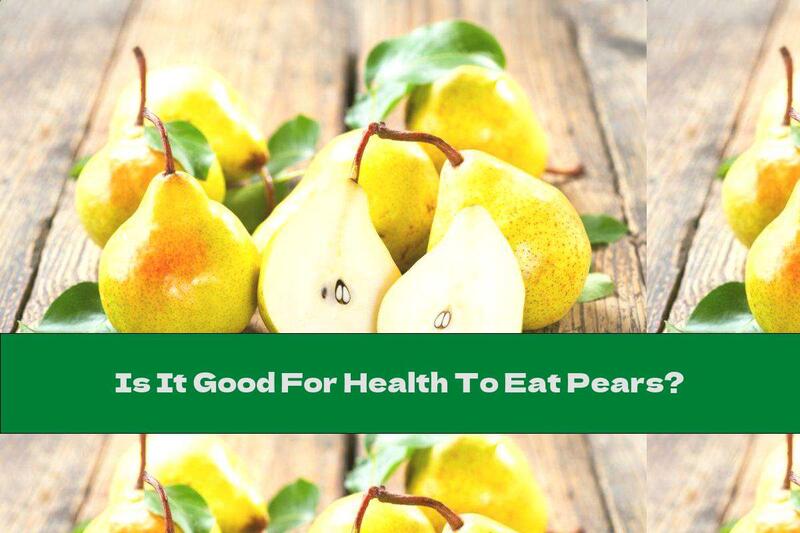
The pear is rich in fiber and other nutrients that are good for cardiovascular and intestinal health ...
Can you imagine that a fruit as sweet as a pear can help us lose weight? In fact, not only the consumption of pears can help reduce the risk of cardiovascular disease and diabetes.
That's why?
Eating fruits and vegetables is generally beneficial because of the number of natural nutrients they contain. In this sense, they reduce a number of deficient conditions in the body and the risk of disease.
The presence of fiber , such as that found in pears, affects health in many ways: 1. Reduces the risk of cardiovascular disease, 2. Diabetes, and 3. Some bowel disorders.
The recommendations of leading bagpipers is to take between 30.8 and 33.6 g of fiber per day for men and 25.2 to 28 g per day for women up to 50 years. For men over 50, they are reduced to 28 g and for women to 22.4 g per day.
Fiber is most easily provided through the consumption of fruits and vegetables. One medium-sized pear delivers 6 g of fiber, which is about a quarter of the recommended amount for ladies and gentlemen over 50.
Pears contain soluble fiber - pectin , which feeds intestinal bacteria and this has a beneficial effect on intestinal health.
In addition to supporting intestinal function, fiber contributes to a feeling of satiety after a meal, which is important for weight control. In recent years, it has become clear that fiber reduces the level of total cholesterol, which reduces the risk of cardiovascular disease.
Pears, as well as other fruits, are a good option for a snack . This avoids the consumption of higher-calorie foods between main meals and prevents the appearance of "wolf hunger", which in itself leads to higher food consumption above our needs.
A 2013 study found that fiber has a role in regulating the immune system and inflammatory processes. This strengthens us not only against infections, but also serious conditions leading to cardiovascular disease, cancer, diabetes and obesity.
Another study from 2014 found a link between regular adequate fiber intake and a reduced risk of developing diverticula . These are special formations in the colon-type pockets that create conditions for infections and inflammation. This relationship has not yet been elucidated and the type of fiber intake is likely to be important.
Another advantage of fiber is that it helps clear accumulated toxins in the intestines due to their laxative effect. The removal of any harmful substances can only bring more health and prevention of a number of diseases, including cancer.
Pears also contain antioxidants , vitamin C, vitamin K and honey, which also protect us in one way or another from the action of free radicals.
Consumption of two pears a day for 3 months showed that systolic blood pressure decreased. It is clear that high blood pressure is a strong risk factor for developing a serious cardiovascular problem.
Thus, an average-sized pear of about 180 g contains 101 kcal, 27 g of carbohydrates, of which 5.52 g of fiber and 17.4 sugar. It contains 1 g of protein and very little fat - 0.25 g.
In addition to these nutrients, pears also supply small amounts of calcium, iron, magnesium, riboflavin, vitamin B6 and folate. They also contain potassium.
Varieties whose skin is red also have carotenoids and anthocyanins . They, like flavonoids, which are found naturally in plants and fruits, also have a strong antioxidant effect.
Well, pears have a bit of a downside. They are rich in fructose, which predisposes to fermentation . Higher consumption of foods from the group with high content of FODMAP (fermentable oligosaccharides, disaccharides, monosaccharides and polyols - forms of fermentable short-chain carbohydrates) increases the likelihood of flatulence , nausea, pain and diarrhea in more sensitive intestines and especially in chores with irritable bowel syndrome. It is good for the latter to consult with their nutritionist if they could include the pear in their menu.
Related Articles
- The Power of Honeysuckle: Health Benefits and Recipes
- The Ultimate Guide to Hickory Smoked Bacon in Nutrition and Healthy Eating
- Nutritional Benefits of Fruit Skewers in Honey Syrup: A Delicious and Healthy Recipe
- Nutritional Benefits of Fruit Skewers in Honey Syrup: A Healthy and Delicious Snack
- Nutrition for Respiratory Health: Supporting Your Lungs with the Right Foods
Top Nutrition Articles Today
- . One Meal a Day Menu: Benefits, Meal Planning, and Sample Men...
- . Nutrition In Cardiomyopathy
- . Sardines - Good For Bones
- . The Truth About Potato Chips: Health Effects and Alternative...
- . The Importance of Magnesium Chloride in Nutrition: Benefits...
- . Understanding Emulsifier E471: Functions, Health Concerns, a...
- . List of Foods that Contain Carrageenan: A Guide to Avoiding...
- . 7 Foods That Stimulate The Release Of Serotonin And Dopamine
- . The Power of 100% Cocoa Dark Chocolate: Benefits and Uses
- . The Ultimate Guide to Bolay Nutrition Calories: Balancing, M...