Japanese Apricot Protects Against Chronic Atrophic Gastritis
 Author: Victoria Aly
Time for reading: ~2
minutes
Last Updated:
August 08, 2022
Author: Victoria Aly
Time for reading: ~2
minutes
Last Updated:
August 08, 2022
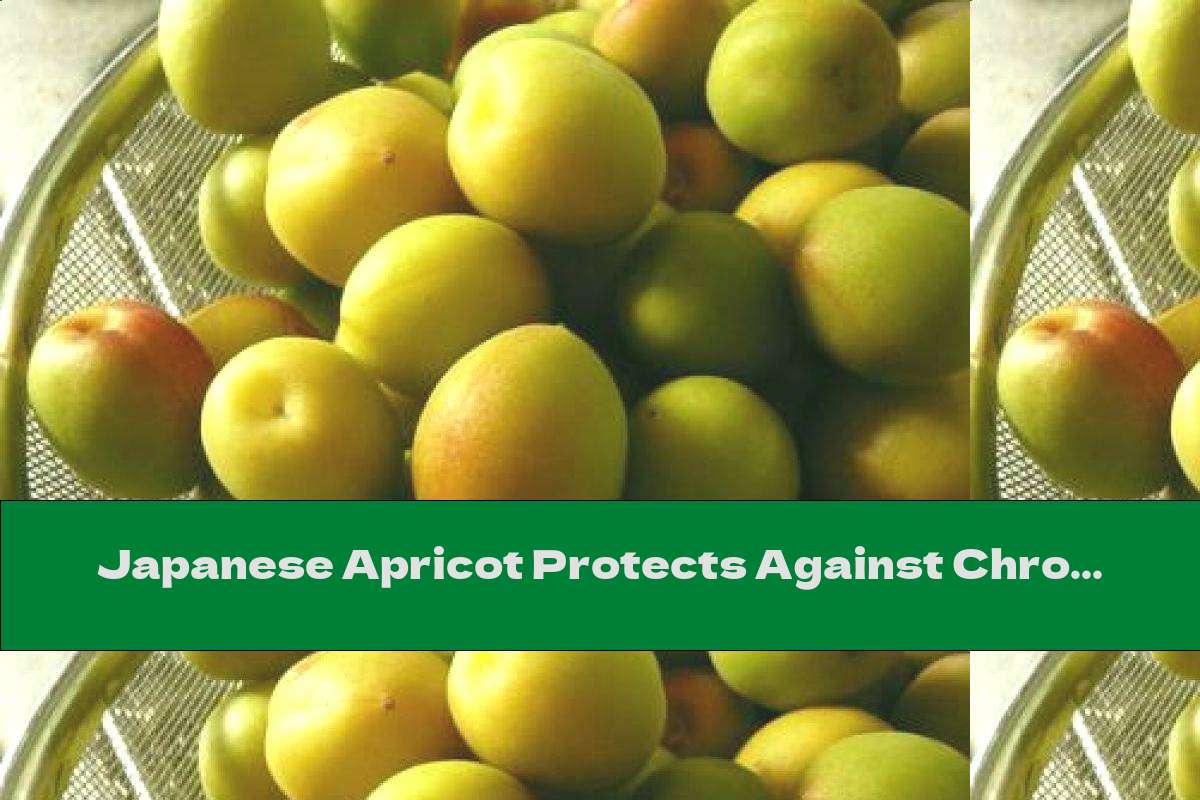
Consumption of Japanese apricots slows down the inflammation of the gastric mucosa caused by H.pylori and suppresses the development of chronic atrophic gastritis ...
Scientists from the land of the rising sun believe that frequent consumption of Japanese apricot (Prunus mume) protects against various stomach diseases, including chronic atrophic gastritis.
Chronic atrophic gastritis is a very insidious disease that is also one of the most common causes of stomach cancer due to chronic inflammation of the lining caused by the bacterium Helicobacter Pylori (H.pylori).
In 90% of cases, the disease is a continuation of another type of gastritis, most often bacterial.
Atrophic gastritis is manifested by constant, dull stomach pain that worsens after eating. Patients complain of loss of appetite, dry mouth, bad breath, bloating and flatulence, frequent diarrhea.
Due to impaired absorption of nutrients, patients lose weight, feel tired and exhausted.
Although, as a rule of treatment, the symptoms may subside for a certain period of time, in case of non-compliance with the diet, stress, infections, use of medication, they reappear.
Chronic atrophied gastritis is a progressive disease whose symptoms worsen over the years. Worryingly, experts say that chronic atrophic gastritis is a precancerous condition whose most effective treatment is prevention.
As a natural defense against chronic atrophied gastritis, Japanese scientists point to the apricot variety Prunus mume.
This fruit has been used in the past as a natural remedy for dyspepsia (indigestion manifested by discomfort and pain in the upper abdomen, a feeling of bloating soon after eating) and infections of the gastrointestinal tract.
Scientists have proven that Japanese apricot has antibacterial and antifungal action.
To evaluate the effectiveness of apricot mume in H. pylori-associated chronic atrophic gastritis, researchers at Wakayama Medical University (Japan) studied 1,358 volunteers with a mean age of 55. Nearly half of the participants suffered from a stomach infection caused by H.pylori.
Additional histological and immunological analyzes revealed chronic atrophic gastritis in 68 of the participants, all of whom were younger than 65 years.
The volunteers were divided into two groups. Those in the first should eat more than three Japanese apricots a day, and in the second - to avoid them or consume as little of this fruit as possible.
One month later, a sample of gastric tissue was taken from all volunteers for analysis. The results showed that in patients with atrophic gastritis who regularly consumed apricots, the inflammatory processes in the stomach were significantly reduced, and the presence of bacteria in the gastric mucosa - less. Gastric atrophy in this group of volunteers was also less pronounced.
"The results we obtained show that the consumption of Japanese apricots slows down the inflammation of the gastric mucosa caused by H.pylori and suppresses the development of chronic atrophic gastritis. Eating foods that prevent stomach cancer is the best strategy for preventing the disease, ”say the study's authors.
Detailed results of the study are published in the June issue of the European Journal of Clinical Nutrition.
Related Articles
- The Nutritional Benefits of Apricot Jam: A Healthy Addition to Your Diet
- Dietary Management of Chronic Glomerulonephritis: Key Recommendations and Meal Plan
- Nutritional Benefits of Apricot Jam: A Healthy Addition to Your Diet
- Dietary Management of Chronic Glomerulonephritis: Key Guidelines & Meal Plan
- Managing Chronic Glomerulonephritis with a Kidney-Friendly Diet