Ketogenic Diet - Which Foods Are Appropriate?
 Author: Dean Rouseberg
Time for reading: ~2
minutes
Last Updated:
January 27, 2026
Author: Dean Rouseberg
Time for reading: ~2
minutes
Last Updated:
January 27, 2026
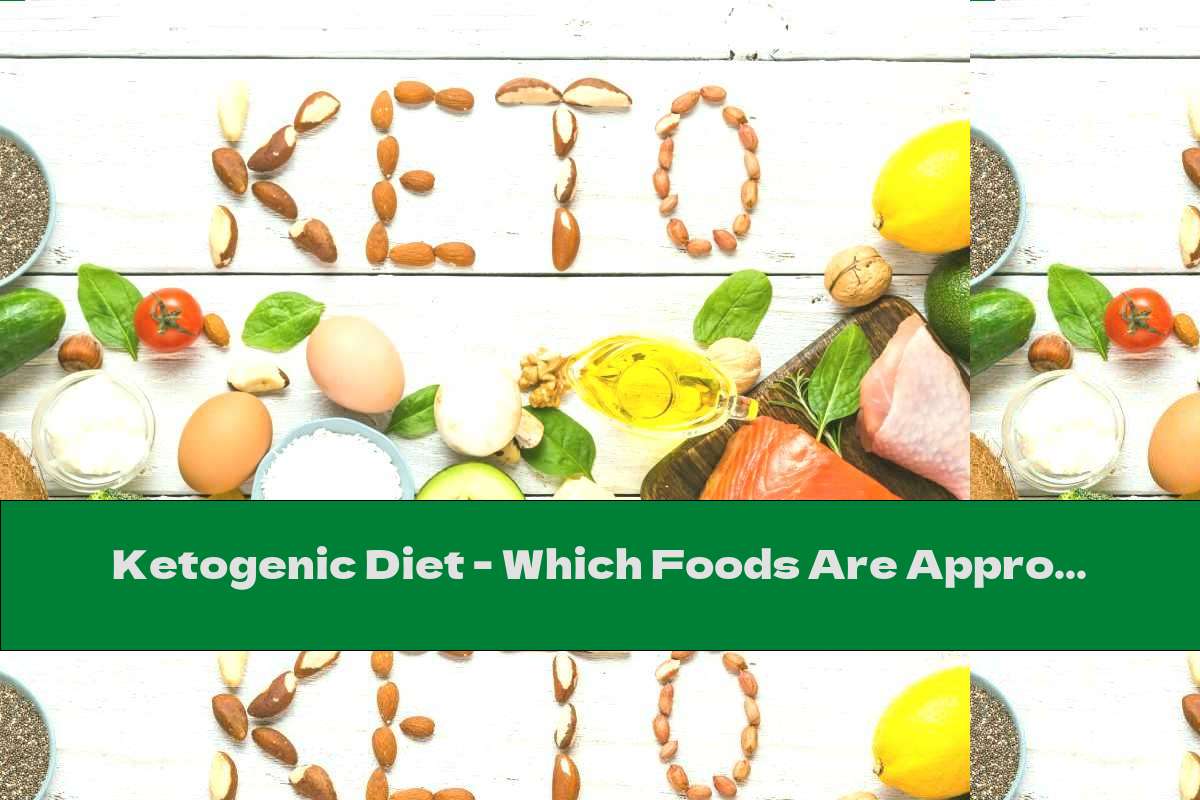
In this article, learn more about Ketogenic Diet - Which Foods Are Appropriate?. The ketogenic diet is a low-carbohydrate, high-fat, moderate-protein diet..
The ketogenic diet is a low-carbohydrate diet that is widely used in the fight against obesity . It is also an alternative additional way to supply energy from ketone bodies (water-soluble molecules) as they are converted in the body.
Recent research emphasizes that a ketogenic diet is a promising treatment strategy for obesity, diabetes and heart dysfunction. Also, studies support keto supplements as a potential solution for providing sustainable sources of energy that are needed for training regimens.
Despite its widespread popularity, the ketogenic diet remains a controversial issue in the medical and scientific community. Studies have shown that switching to a ketogenic diet can lead to unexpected side effects , including altered lipid profiles in the blood (triglycerides, total cholesterol, low-density and high-density lipoproteins that carry cholesterol), impaired glucose homeostasis, increased homeostasis, increased intestinal distress (abdominal cramps, flatulence, belching, heartburn).
The ketogenic diet is a low- carbohydrate , high-fat, moderate-protein diet that typically provides approximately 80% calories from fat, 15% calories from protein, and 5% calories from carbohydrates.
There are also early studies that show that a ketogenic diet may be beneficial for some cancers, Alzheimer's disease, epilepsy and other diseases. Healthy foods in a ketogenic diet can include a wide variety of products.
Seafood - fish and mussels are very beneficial in keto nutrition. Salmon and other fish are rich in B vitamins , potassium and selenium, but practically low in carbohydrates. However, the carbohydrates in different types of mussels vary. For example, while shrimp and most crabs do not contain carbohydrates, other types of mussels do.
Salmon, sardines, mackerel and other fatty fish are very rich in omega-3 fatty acids , which have been found to lower insulin levels and increase insulin sensitivity (the body's ability to regulate blood sugar by releasing insulin) in people with obesity. weight. In addition, frequent fish intake is associated with a reduced risk of many diseases and improved mental health.
Some vegetables, such as crucifers , such as cabbage, broccoli and cauliflower, are low in carbohydrates but high in many nutrients, including vitamin C and minerals.
Vegetables and other plants contain fiber that the body does not absorb like other carbohydrates. Most vegetables contain very little total carbohydrates. They also contain antioxidants that help protect against free radicals, which are unstable molecules that can cause cell damage. Cruciferous vegetables such as cabbage, broccoli and cauliflower are also associated with a reduced risk of cancer and heart disease.
There are hundreds of types of cheese and they are all very low in carbohydrates and high in fat, which makes them very suitable for a ketogenic diet.
Cheese is high in saturated fat, but has not been shown to increase the risk of heart disease. It also contains conjugated linoleic acid , which is associated with fat loss. Eating cheese regularly can help reduce the loss of muscle mass and strength that occurs with aging.
Avocados are high in vitamins and minerals, including potassium . Higher potassium intake may help facilitate the transition to a ketogenic diet. Avocados can also help improve cholesterol and triglyceride levels.
Related Articles
- Nutrition for Respiratory Health: Supporting Your Lungs with the Right Foods
- The Ultimate Guide to High Gluten Foods: Benefits, Sources, and Recipes
- The Ultimate Guide to High Gluten Foods: Effects, Benefits, and Recipes
- The Nutritional Value of Avocado Calories: Benefits, Diet Tips, and Recipes
- The Ultimate Guide to Diet ��� 7 for Improved Nutrition
Top Nutrition Articles Today
- . The Relationship Between The Liver And Hemoglobin: We Unders...
- . List of Foods that Contain Carrageenan: A Guide to Avoiding...
- . High Lycopene Tomatoes
- . Persimmons - Benefits And Harms To Health
- . Subway Footlong Calories Chicken
- . Foods High In Folate And B12
- . The Ultimate Guide to Bugs in Nutrition: Benefits, Types, an...
- . Chicory: 15 Health Benefits, How To Drink, Contraindications...
- . Herbs for Fibroids: Natural Remedies and Recipes for Fibroid...
- . The Role of Heavy Cream in Nutrition: Benefits, Drawbacks, a...