Legumes Help Fight Cancer
 Author: Victoria Aly
Time for reading: ~1
minutes
Last Updated:
August 08, 2022
Author: Victoria Aly
Time for reading: ~1
minutes
Last Updated:
August 08, 2022
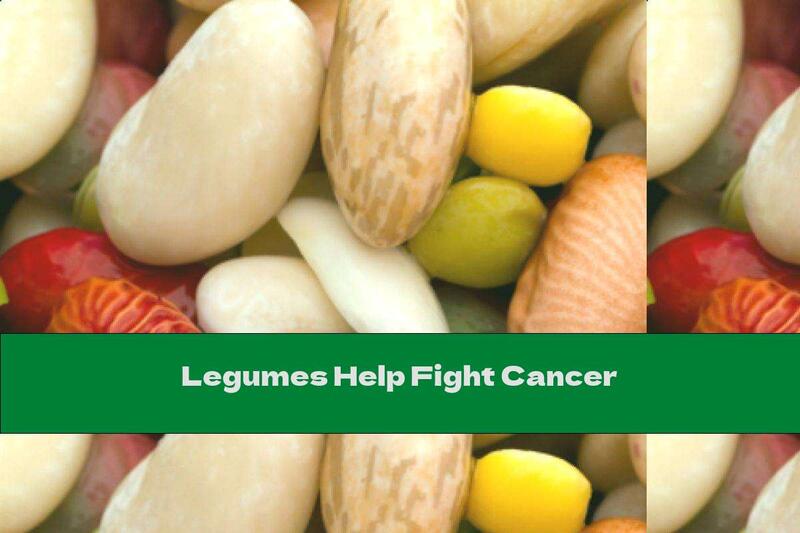
In this article, learn more about Legumes Help Fight Cancer. The discovery may help treat cancer of the bladder, stomach, liver and colon..
Consumption of legumes can help fight cancer and hypertension. This effect is due to the antioxidants in them.
Australian researchers have studied the mechanism that inhibits the proliferation of cancer cells and found that phenolic compounds in legumes have anti-cancer properties.
Phenolic compounds are chemicals that are responsible for metabolism and defense mechanisms. They are found mainly in the seeds and shell of the plant.
According to the research team, the phenolic compounds found in legumes, stimulate detoxification enzyme systems, which leads to an increase in the body's capacity to neutralize substances with the potential to degenerate cancer cells.
Phenolic compounds directly inhibit the formation of carcinogenic nitroso compounds, both in the food itself and in the gastrointestinal tract, experts explain.
In the laboratory, researchers put cancer cells in a flask and directly add phenolic compounds derived from legumes. After 24 hours, they measure the extent of the spread and proliferation of cancer cells.
The results show that their rate decreased significantly after the addition of the phenolic compounds extracted.
According to scientists, the discovery may help treat four of the most serious cancers - cancer of the bladder, stomach, liver, and colon.
The results are published in the British Journal of Nutrition.
Legumes are also a good source of fiber. A number of studies have shown that fiber is good for lowering "bad" cholesterol.
Top Nutrition Articles Today
- . Steak Label
- . How To Fry Porcini Mushrooms
- . Beer Also Protects Against Osteoporosis
- . The Importance of Supplements in a Healthy Diet - A Comprehe...
- . Understanding Gassy Foods: Impact on Digestion and Low-Gas D...
- . How To Cook Lunch For School: Meatballs, Babaganush, Sarma,...
- . The Ultimate Guide to Calcium Inosinate in Nutrition: Benefi...
- . How To Deal With Cancer Overweight
- . How To Cook Tacos With Fish Halibut And Vegetables - Recipe
- . How To Cook Omelet With Potatoes, Onions, Bacon And Tomatoes...