Lutein Intake Keeps The Eyes Healthy
 Author: Marko Balašević
Time for reading: ~1
minutes
Last Updated:
August 08, 2022
Author: Marko Balašević
Time for reading: ~1
minutes
Last Updated:
August 08, 2022
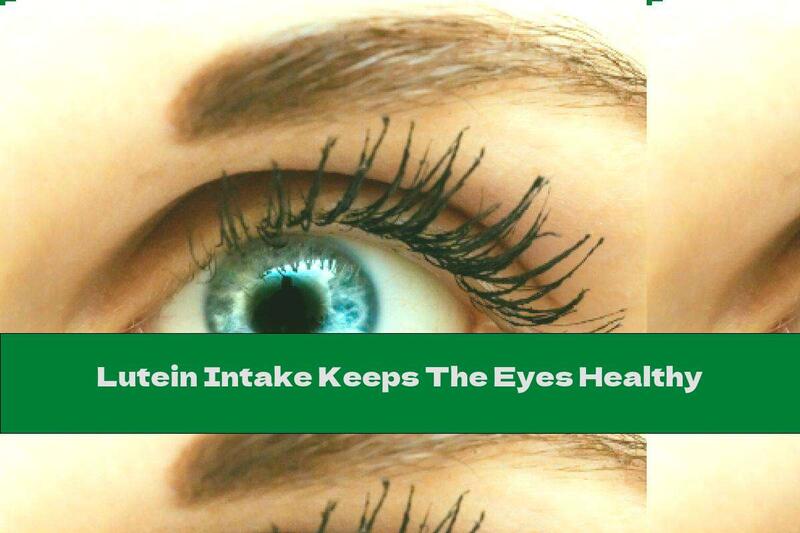
Regular consumption of green leafy vegetables provides the body with enough lutein to increase eye protection from disease.
All nutritionists and health organizations in the world agree: in the human diet should be strongly emphasized but green leafy vegetables (curly and ordinary cabbage, spinach, turnips and others). Their excellent combination of fiber, vitamins, minerals and their low fat and caloric content make them among the healthiest foods in the human diet.
In addition, green leafy vegetables are the best natural source of lutein , a phytonutrient from the carotenoid family . Of the approximately 600 known to science, carotenoids, lutein and zeaxanthin are the only ones deposited in the retina . This light-sensitive area of the eye is essential for good vision. The role of lutein in proper retinal function is well known, but the compound has other important but lesser known functions.
The most powerful of these is the antioxidant power of lutein, which protects cells from free radical damage. Antioxidants neutralize free radicals - unstable atoms, molecules or ions with one unpaired electron in its outermost electron shell.
Once neutralized, radicals are capable of damaging the chemical structure of the proteins that make up tissue cells and leading to their premature aging and death.
Lutena also fights against age-related macular degeneration - an eye disease that affects central vision with age. The late stage of the disease leads to complete loss of vision in almost 90% of patients. According to the February 2012 issue of the British Journal of Nutrition , diets rich in lutein are able to suppress the development of macular degeneration.
Another study published in the journal Clinical and Experimental Ophthalmology in January 2014 provides convincing evidence that regular consumption of lutein with food reduces the likelihood of developing cataracts - a disease in which protein deposits accumulate on the surface of the lens of the eye. It develops slowly with age and lowers vision, blurring it greatly.
Related Articles
- The Ultimate Guide to Hickory Smoked Bacon in Nutrition and Healthy Eating
- Nutritional Benefits of Fruit Skewers in Honey Syrup: A Delicious and Healthy Recipe
- Nutritional Benefits of Fruit Skewers in Honey Syrup: A Healthy and Delicious Snack
- The Nutritional Benefits of Salty Popcorn: A Healthy Snack Option
- The Nutritional Benefits of Popcorn: A Healthy Snack Option