Nectar, Raw And Dried Agave - Which Is More Useful?
 Author: Karen Lennox
Time for reading: ~1
minutes
Last Updated:
August 08, 2022
Author: Karen Lennox
Time for reading: ~1
minutes
Last Updated:
August 08, 2022
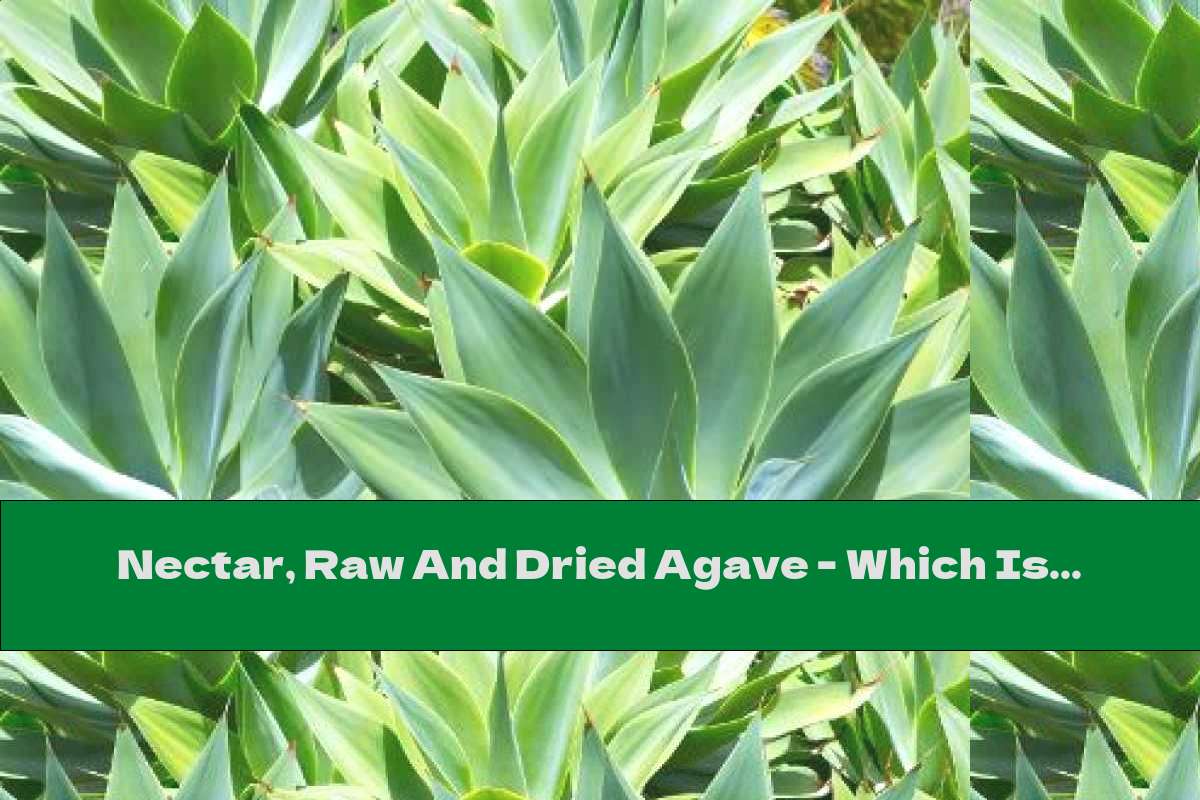
Agave nectar delivers a stronger sweetness than sugar, with a lower glycemic index and more health benefits.
Carrying the fire of the tropical sun, the agave plant originates from Mexico and has excellent nutritional properties that favor human health.
It is most often consumed in the form of nectar , a rare syrup used as an alternative to white crystal sugar. However, the plant can be eaten raw, cooked and dried - no matter how it is prepared, these three forms of agave provide the body with some nutrients that popular agave nectars and syrups do not contain.
With the exception of agave nectar or syrup, all other forms of it are an excellent source of iron : 100 grams of raw agave contains nearly 1.8 milligrams of the vital element, and after drying or cooking at low temperatures, the amount of bioavailable iron in the same 100 grams increases to 3.5-3.6 milligrams. This equates to about 46% of the required daily amount of iron for men and 20% of the required amount for women.
Again, in 100 grams of the plant, raw or cooked, there are about 400 milligrams of bioavailable calcium - nearly 40% of the amount needed every day, and in dried form are up to 600-700 mg. In the dried agave are excellent amounts of zinc , a mineral necessary for proper healing of wounds and good metabolism .
Although agave nectar does not have such large amounts of nutrients, it is a good substitute for white sugar in cooking. Nectar is definitely high in calories, one teaspoon contains about 21 calories, but it has a low glycemic index and can have a beneficial effect on blood sugar control and weight loss.
Agave nectar, like honey, can be a great substitute for sugar and is suitable for vegan diets.
The nectar itself is sweeter than granulated sugar and does not need a large amount to achieve a similar effect. In baked foods instead of the specified amount of sugar can be added 1/3 of this amount in the form of nectar - the dish will get the same sweetness, but with fewer calories.
Related Articles
- Nutrition Guide: Fruitskewers in Honey Syrup - Benefits, Recipes, and More
- The Ultimate Guide to Vitamin E in Nutrition: Benefits, Sources, and More
- The Ultimate Guide to Avocado Nutrition: Benefits, Recipes, and More
- The Ultimate Guide to Yogurt: Benefits, Recipes, and More
- Yeast in Nutrition: Benefits, Recipes, and More