Nutrition For Anemia And Bleeding
 Author: Leticia Celentano
Time for reading: ~4
minutes
Last Updated:
August 08, 2022
Author: Leticia Celentano
Time for reading: ~4
minutes
Last Updated:
August 08, 2022
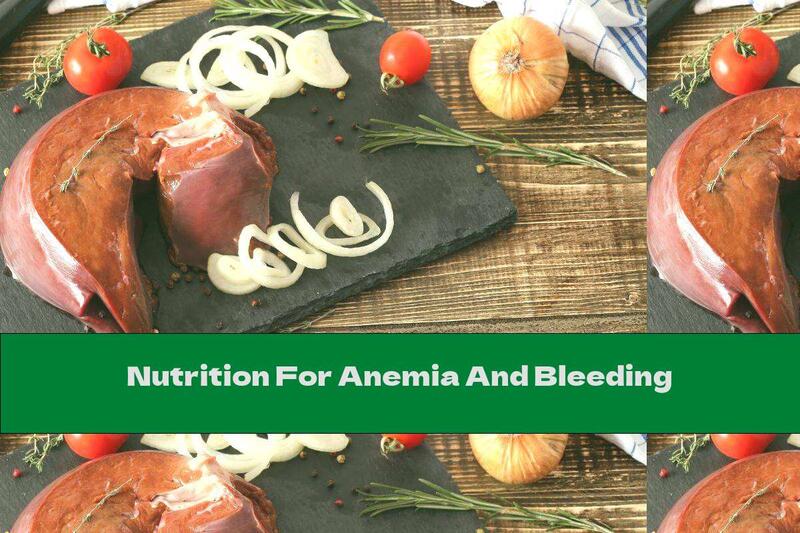
A diet rich in iron, B vitamins and vitamin C is important in the presence of anemia.
Anemia is a condition that occurs when the body lacks enough healthy red blood cells (erythrocytes). The condition is mainly caused by blood loss, destruction of red blood cells, or the body's inability to produce enough red blood cells. There are different types of anemia, the most common type being iron deficiency anemia. Most patients who suffer from anemia experience fatigue or general fatigue.
Red blood cells contain a protein called hemoglobin, which contains iron. Without enough iron, the body cannot produce the hemoglobin it needs to make enough red blood cells to supply oxygen-rich blood to the body. In some cases, the anemia is due to bleeding from the gastrointestinal tract.
Many disease processes can cause bleeding from the gastrointestinal tract, including ulcers, drugs that irritate the stomach, such as aspirin, dilated blood vessels in the esophagus or stomach, or cancer.
Symptoms of gastrointestinal bleeding, such as vomiting of blood or passing blood in the stool, may be detected. Gastrointestinal bleeding requires dietary changes, but many of them are temporary.
While there is active bleeding, it may be necessary to abstain from food and drink for some time. During active bleeding, the gastrointestinal tract should be allowed to rest to heal.
Eating food in the gastrointestinal tract makes it function, releasing acid and enzymes in the stomach. Feeding in this condition is intravenous until the bleeding stops. When any bleeding stops, a small amount of food or drink may be started to check that the symptoms will not return before resuming a regular diet.
Alcohol acts as an irritant to the gastrointestinal tract. Excessive drinking also causes dilated blood vessels in the esophagus and other parts of the digestive system, where bleeding can sometimes occur.
Taking aspirin or nonsteroidal anti-inflammatory drugs together may increase the risk of developing ulcers.
Caffeine, spicy foods and citrus fruits can irritate the gastrointestinal tract. Chocolate, tea, coffee, soda and energy drinks contain caffeine. The intake of potential irritants in the normalization of the diet should be done slowly, gradually, until it becomes certain that the gastrointestinal tract can cope with them.
Lack of folate and vitamin B 12 can also affect the body's ability to produce red blood cells. If the body cannot process B 12 properly, you may develop pernicious anemia. A diet rich in iron, B vitamins and vitamin C is important in the presence of anemia.
Nutrition in the treatment of anemia often involves changes in diet. The best diet for anemia includes foods rich in iron and vitamins, which are essential for the production of hemoglobin and red blood cells. The diet should also include foods that help the body better absorb iron.
There are two types of iron in food - heme and non - heme iron . Heme iron is found in various types of meat and seafood. Non-heme iron is found mainly in plant products. The body can absorb both types of iron, but more easily absorbs heme iron. The recommended daily dose for iron is 10 milligrams for men and 12 milligrams for women.
Although diets for the treatment of anemia are individualized, most require 150 to 200 milligrams of elemental iron daily. It may also be necessary to take iron on a doctor's prescription or as a dietary supplement without a prescription until its levels in the body are restored.
Consumption of certain foods can help fight iron-deficiency anemia:
Cereals are a good source of iron, as are many types of nuts and seeds. Dark green leafy vegetables are among the best sources of non-heme iron. These include - spinach, arugula, various types of cabbage, broccoli, kale and more.
However, some high-iron leafy vegetables, such as spinach and kale, are high in oxalates. Oxalates can bind to iron, thus preventing the absorption of non-heme iron. Therefore, it is not useful for the diet for anemia to depend entirely on the consumption of dark green leafy vegetables.
It is known that a diet low in folate can cause anemia. Citrus fruits, beans and whole grains are good sources of folate.
Vitamin C helps the stomach absorb iron, and eating foods that contain vitamin C, such as oranges, red peppers and strawberries, can increase iron absorption.
Red meat , lamb, game and chicken are the best sources of heme iron. The liver is also rich in iron and folate. Consumption of meat in combination with foods that contain non-heme iron, such as vegetables rich in vitamin C, can increase iron absorption.
Some seafood that provide heme iron are - mussels, oysters, crabs and shrimp. Most fish contain iron. Fish with the best iron levels include - canned or fresh tuna, mackerel, fresh perch, fresh or canned salmon.
Although sardines are good sources of iron, they are also high in calcium. Calcium can bind to iron and reduce its absorption. Foods high in calcium should not be consumed at the same time as iron-rich foods. Other examples of calcium-rich foods include milk, kefir, cheese, and tofu.
Related Articles
- The Ultimate Guide to Hickory Smoked Bacon in Nutrition and Healthy Eating
- Fruitskewers in Honey Syrup: Nutritional Benefits and Recipes
- The Ultimate Guide to Buffer 500 in Nutrition: Benefits and Usage
- Nutritional Benefits of Fruit Skewers in Honey Syrup: A Delicious and Healthy Recipe
- Nutrition Guide: Fruitskewers in Honey Syrup - Benefits, Recipes, and More