Nutrition Tips For Joint Diseases
 Author: Marko Balašević
Time for reading: ~2
minutes
Last Updated:
August 08, 2022
Author: Marko Balašević
Time for reading: ~2
minutes
Last Updated:
August 08, 2022
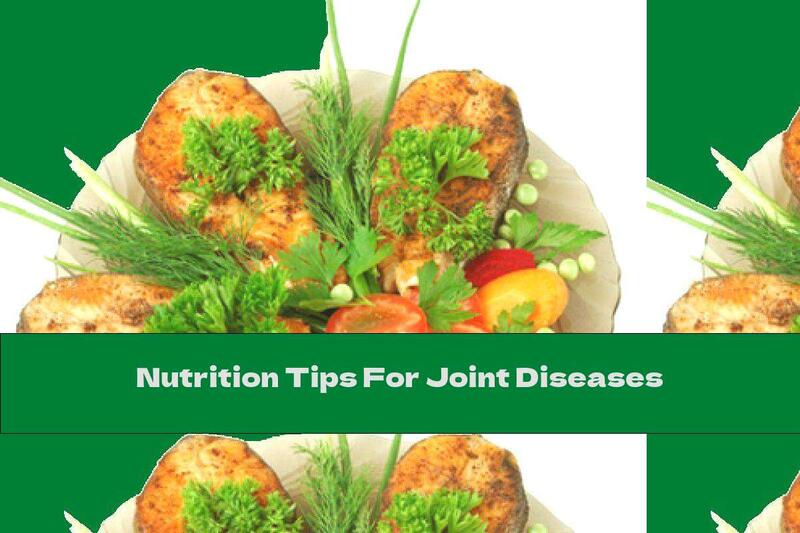
In this article, learn more about Nutrition Tips For Joint Diseases. Foods rich in antioxidants fight inflammation in joint diseases..
Diseases of the joints can be both primary and secondary - due to a systemic disease process in the body (psoriasis, gout and others). The name arthritis means the presence of an inflammatory process in the joint. The symptoms are characterized by pain, swelling of the affected joint , redness and warming of the proper skin. Other symptoms include stiffness and difficulty moving in the joint.
Osteoarthritis is a degenerative joint disease of a chronic nature, occurring mainly in old age. The development of osteoarthritis is due to wear and gradual loss of articular cartilage. This process leads to a gradual "exposure" of the articular surfaces of the bones, accompanied by pain.
The therapy is expressed in the treatment of both the root cause of the joint damage and the relief of the already developed symptoms. Most often the treatment is combined, combining methods of physiotherapy, changes in diet and, in some indications, surgical treatment.
One of the first recommendations for affecting the so-called bearing joints (knee, hip) is to reduce weight in cases where there is overweight. The goal is to burden the joint and thus slow down the wear process.
Some components in food can potentiate the inflammatory response in the joints, while others have anti-inflammatory effects. The change in diet aims to reduce the discomfort in the joints due to the disease process in them.
Omega-3-unsaturated fatty acids are characterized by strong anti-inflammatory action . They are found in larger quantities in some species of fish - salmon, herring, as well as in cold-pressed sunflower oil (charlan), olive oil, flaxseed oil and others. In contrast, frequent consumption of foods rich in saturated fatty acids can lead to increased inflammatory processes, which is the reason for the exclusion or at least significant reduction of animal fat and products prepared by frying.
It is characteristic of articular cartilage that it does not have blood and lymph vessels, which is why it is nourished entirely by synovial fluid, which fills the joint capsule and aims to lubricate both the superficial and nourishing joint structures.
If it is impossible to get enough omega-3 fatty acids with food, it is recommended to take it in the form of food supplements. The optimal daily dose is 800-1000 mg.
Antioxidants are biochemical substances that fight oxidative stress and the removal of free radicals, which also occur in inflammatory reactions. Antioxidant action is exerted by some vitamins and microelements - selenium, vitamin E and C. Rich in vitamin C are cabbage, red peppers, rose hips, kiwi, and some citrus fruits . The presence of vitamin C in kiwi exceeds several times the amount of vitamin in lemons.
Rich in vitamin E are wheat germ, sunflower seeds, parsley and others. Selenium is found in larger quantities in Brazil nuts, garlic, mushrooms, as well as in some seafood - squid, sardines. Green tea, with its high content of polyphenols , also has an antioxidant effect. Ginger and turmeric are listed as foods rich in antioxidants.
It is important to limit foods that can intensify the inflammatory process - mainly processed foods, semi-finished products, rich in refined sugar, fried and others.
Regular physical activity also has a beneficial effect on the joints. A suitable sport for patients with joint diseases is swimming. 3648
Related Articles
- The Ultimate Guide to Hickory Smoked Bacon in Nutrition and Healthy Eating
- Fruitskewers in Honey Syrup: Nutritional Benefits and Recipes
- The Ultimate Guide to Buffer 500 in Nutrition: Benefits and Usage
- Nutritional Benefits of Fruit Skewers in Honey Syrup: A Delicious and Healthy Recipe
- Nutrition Guide: Fruitskewers in Honey Syrup - Benefits, Recipes, and More