Oily Fish And Seafood Improve Memory
 Author: Marko Balašević
Time for reading: ~1
minutes
Last Updated:
August 08, 2022
Author: Marko Balašević
Time for reading: ~1
minutes
Last Updated:
August 08, 2022
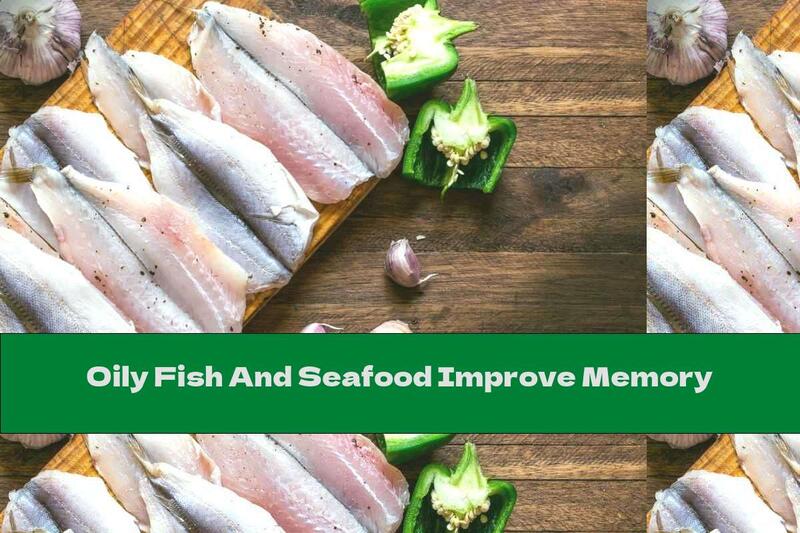
Oily fish and seafood contain omega-3 fatty acids that improve memory and brain function.
Research has found that eating seafood and oily fish can contribute to better memory. Over a six-month period, 176 healthy adults took omega-3s. According to the results, men had a 15% improvement in memory, and women - 7%.
The study's lead author, Professor Welma Stonehouse of Massey University in New Zealand, said that eating fish oil and eating oily fish and seafood improved cognitive functions, which are important for daily activities such as work, driving and learning. , sports activities, etc. Because the body cannot produce fatty acids efficiently, they must be obtained through food.
Among the fish that are richest in omega-3 are herring, salmon, mackerel, sardines, anchovies and others. Most of them are great sources of protein, magnesium, selenium, calcium, potassium, niacin, vitamin B12. It is important to note that these fish retain their properties and are useful in stewed or baked version, but not fried.
Regular consumption of fish high in fatty acids has long-term benefits for mental health, as studies show that people who eat fish have better indicators of knowledge and memory . Fatty acids are vital for maintaining normal brain function throughout life.
Omega-3 acids are thought to be a key factor in preventing Alzheimer's disease, one of the most common forms of dementia, which is characterized by reduced mental abilities such as memory. On the other hand, low omega-3 levels are associated with memory loss and Alzheimer's disease . In older people, lower levels of fatty acids lead to accelerated aging of the brain.
Omega-3s are essential fatty acids that are an important part of a healthy and balanced diet and are necessary for the proper performance of brain functions and the nervous system. In addition to memory and the brain, omega-3s have a positive effect on blood pressure, heart health and mental health .
Related Articles
- The Ultimate Guide to Diet ��� 7 for Improved Nutrition
- The Health Benefits of Boiled Cod Fish: Recipes and Nutrition
- Buffer 500: Benefits, Recipes, and More for Improved Nutrition
- The Ultimate Guide to Vegan Health Benefits: Improve Your Well-Being with a Plant-Based Diet
- Nutritional Benefits of Boiled Codfish: Omega-3s, Vitamin B12, and More
Top Nutrition Articles Today
- . Foods Containing Carrageenan: A Comprehensive Guide for Your...
- . Foods For A Regular Stomach
- . The Nutritional Benefits of Figs: A Fiber-Rich Fruit Packed...
- . The Importance of Carotene in Nutrition: A Complete Guide
- . Medicinal Drinks For Colds
- . The Truth About Potato Chips: Health Effects and Alternative...
- . How To Cook Pork Liver And Mushrooms In Cream Sauce With Che...
- . The Ultimate Guide to Lean Meat in Nutrition: Benefits, Type...
- . Cochineal Extract Food List: Nutritional Value, Health Benef...
- . The Role of Water in Nutrition: Importance and Benefits