Overeating - When Does It Turn Into An Eating Disorder?
 Author: Leticia Celentano
Time for reading: ~2
minutes
Last Updated:
August 08, 2022
Author: Leticia Celentano
Time for reading: ~2
minutes
Last Updated:
August 08, 2022
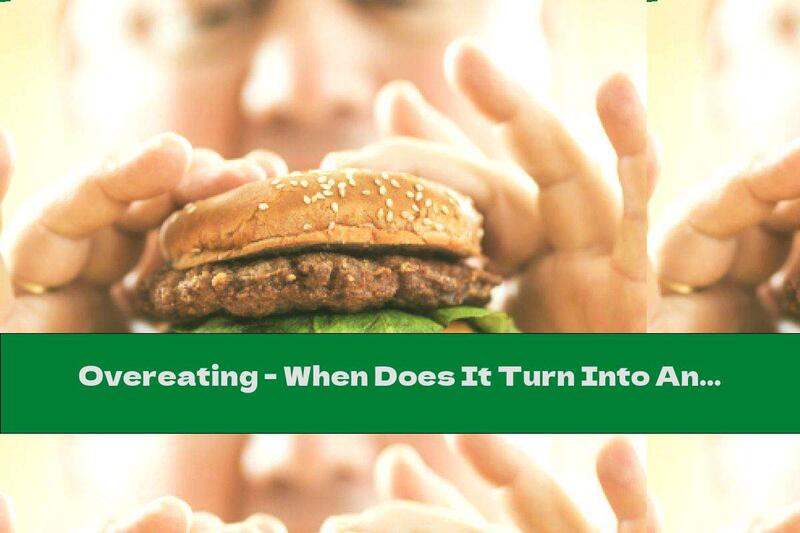
Hyperphagia is characterized by episodic uncontrolled intake of huge amounts of food
Uncontrolled systemic overeating ( hyperphagia ) is included as a disease in the international classification of eating disorders. Worldwide, the incidence of hyperphagia is increasing. In addition to the psyche, the disorder also affects the physical condition of patients. Among the latter, the number of cardiovascular diseases, type 2 diabetes, overweight, gastro-oesophageal reflux is increasing.
The causes of the condition are different and act in their entirety. On the one hand, there is a genetic predisposition to systemic overeating. People who have a family history of eating disorders are more likely to develop an overeating tendency. Age also matters. A higher percentage of those affected by hyperphagia are in the range of 15 to 25 years of age.
Risk factors for triggering hyperphagia are long-term diets and periods of fasting . Psychological predisposing factors have the relatively greatest weight. Low personal self-esteem, based on a conflict between the social ideal of appearance and the real physical condition, is the basis of overeating.
Excessive eating manifests itself as a compensatory pattern of behavior in which eating releases the accumulated mental stress. Chronic stress and in general any growing contradiction in the inner world of people can create a suitable psychological environment to trigger an eating disorder.
The psychiatric criteria for diagnosing hyperphagia are the following:
1. Uncontrolled, fast intake of huge amounts of food in a short period of time. The desire for food is irresistible and in most cases is not provoked by hunger.
2. Continue to swallow food, even after the formation of a feeling of fullness and hunger. Hunger may be absent at first. Only the feeling of severe discomfort limits the intake of new amounts of food.
3 . Feelings of shame and guilt due to improper eating behavior. This leads to stealth eating by loved ones. Therefore, hyperphagia is detected with a delay.
4. Lack of compensatory behavior such as induced vomiting , use of laxatives and diuretics after meals. This is how neurosis differs from bulimia.
5. Although it temporarily relieves the accumulated tension, in the long run overeating causes the appearance of depressive thoughts , disgust, shame and guilt. This further worsens the mental state and introduces patients to a self-sustaining vicious circle.
6. The severity of hyperphagia is determined by the frequency and extent of periods of overeating. For diagnosis, these periods should be at least once a week for three consecutive months.
Patients with hyperphagia very rarely seek medical help on their own. They eat secretly from their loved ones. Their mental and physical condition tends to deteriorate rather than improve spontaneously over time. Therefore, in case of suspicion of this type of eating disorder, a visit to a psychiatrist is mandatory!
The main place in the healing process is occupied by psychotherapy . In addition, drugs from three pharmacological groups are used - antidepressants, anticonvulsants and drugs that regulate fat metabolism. In overcoming hyperphagia, the support of loved ones is very important .
According to some statistical studies, uncontrollable hyperphagia is the most common eating disorder. Data show that 30-40% of obese patients due to obesity have periods of overeating.
Because overeating is high in calories and harmful foods that disrupt the metabolism and proper functioning of the cardiovascular system, some patients seek initial medical attention for other unlocked pathology.
The extent of hyperphagia has yet to be determined. Overeating has a great social weight due to the objective damage to health that it causes. It is important to realize the fundamental truth that if negative emotions are invested in something, there can be no positive result!
Related Articles
- The Ultimate Guide to Hickory Smoked Bacon in Nutrition and Healthy Eating
- The Nutritional Value of Potato Chips: How They Fit Into a Healthy Diet
- The Ultimate Guide to Nutritional Eating: Importance, Key Nutrients, Benefits, and Recipes
- The Ultimate Guide to Creating a Well-Balanced Diet Plan
- Nutritional Benefits of Neck Trimmings: A Guide to Incorporating Them into Your Diet
Top Nutrition Articles Today
- . Foods High In Folate And B12
- . Chicory: 15 Health Benefits, How To Drink, Contraindications...
- . Dishes From Neighboring Countries That We Love: Potato Panca...
- . What To Cook With Sweet Potato
- . The Ultimate Guide to Vitamin E in Nutrition: Sources, Benef...
- . The Essential Role of Copper (Cu) in Nutrition: Sources, Ben...
- . Nutritional Benefits of Pizza: Key Nutrients, Healthier Opti...
- . The Delicious and Nutritious World of Minibrownies: A Guide...
- . The Complete Guide to E339ii in Nutrition: Benefits, Regulat...
- . The Role of Samarium in Nutrition: Benefits and Food Sources