Parsnips Are Good For The Nerves And Heart
 Author: Leticia Celentano
Time for reading: ~1
minutes
Last Updated:
August 08, 2022
Author: Leticia Celentano
Time for reading: ~1
minutes
Last Updated:
August 08, 2022
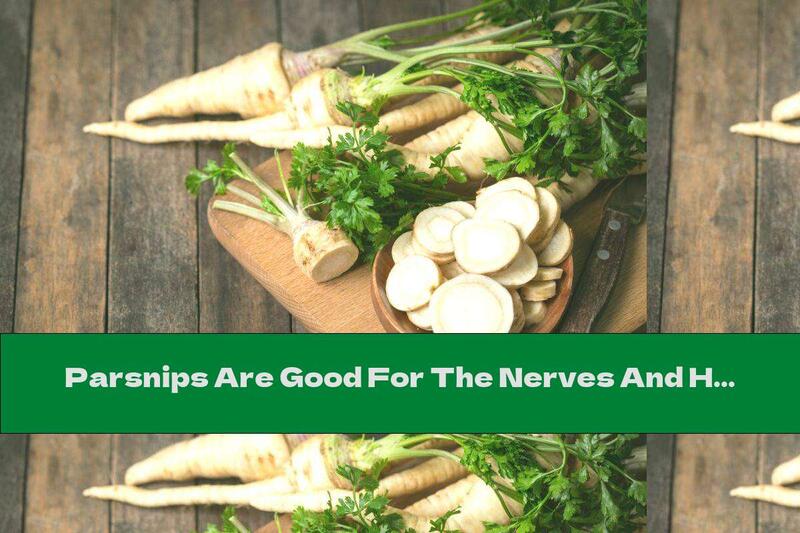
Parsnip is not a very popular vegetable, but it is extremely useful, including for the nervous and cardiovascular systems.
Parsnip is a root vegetable that looks like a carrot, but is light in color. It originates from Europe and Asia. In the 17th century it was brought by the colonizers to America. It became especially popular in the 20th century as a low-calorie vegetable with a taste similar to that of celery.
It is used to make purees, soups and salads.
Nutritional value. Parsnips are a vegetable with a high nutritional density. It is a source of large amounts of useful nutrients with low calorie intake. It is rich in protein, carbohydrates, cellulose, sodium, zinc, manganese, copper, folic acid, B vitamins, vitamin E, PP and A. The root of the plant also contains niacin, known as vitamin B3. The sugar content in parsnips is higher than in other root vegetables - beets, turnips, carrots, etc.
What is the use of parsnips? Despite its unattractive appearance, it has a number of health benefits. There is evidence that regular consumption of this root vegetable increases appetite, regulates the gastrointestinal tract and helps with constipation due to its high fiber content. Parsnips are said to control blood lipid levels. It contains few calories and high levels of nutrients, which is why it is especially suitable for diets. The high content of vitamin B3 makes it useful for the nervous system.
Parsnip is a useful food for the prevention of cardiovascular disease by controlling blood pressure levels. In folk medicine, vegetables are classified as aphrodisiac foods. It also acts as a natural diuretic.
How is parsnip consumed? Young and small parsnips do not need peeling, like carrots. Old vegetables should be peeled. In cooking, vegetables are used fresh, ground into powder, cooked in soups, purees or marinated in salads. It is used to flavor various foods with or without meat. It can be used, like potatoes, as a staple vegetable in meat dishes. Its leaves are used as an aromatic spice. Parsnips are suitable to be included among the first foods that the baby is fed, due to its excellent nutritional qualities.
Related Articles
- Nutritional Benefits of Beef Heart: A Complete Guide
- The Nutritional Benefits of Beefheart: A Complete Guide
- Nutritional Benefits of Ox Heart: A Lean Protein Source
- The Power of Calcium Lactate: Benefits for Bone, Muscle, and Heart Health
- The Health Benefits of Boiled Cod: Nutrients, Heart Health, and Recipes
Top Nutrition Articles Today
- . Breakfast Pizza
- . 7 Foods That Stimulate The Release Of Serotonin And Dopamine
- . The Ultimate Guide to Metataric Acid in Nutrition: Sources,...
- . The Truth About Potato Chips: Health Effects and Alternative...
- . Calories In A Piece Of Bread
- . Sardines - Good For Bones
- . Health Benefits Of Vitamin C
- . Night Nutrition: Importance, Benefits, and Best Foods to Eat
- . Sushi For Beginners. How Easy It Is To Spin Sushi Rolls
- . When Is It Better To Eat Fruit?