Pickles - A Healthy Fruit
 Author: Nia Rouseberg
Time for reading: ~1
minutes
Last Updated:
August 08, 2022
Author: Nia Rouseberg
Time for reading: ~1
minutes
Last Updated:
August 08, 2022
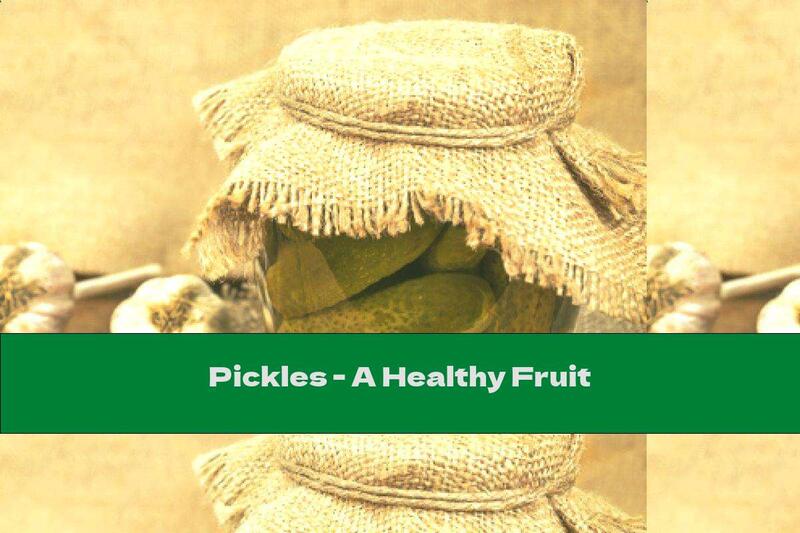
The juice in which they are fermented can be used to prevent muscle cramps and restore electrolyte balance.
Pickles enjoy special respect among Bulgarian foods. Fermented in a solution of water, vinegar, salt, dill and pepper, they are filled with useful vitamins and minerals and high amounts of sodium. Precisely because of sodium, they should be avoided by hypertensives , for whom the intake of excess salt is particularly undesirable.
Pickles are actually a fruit, not a vegetable, and fruits are rich in vitamin K . Particularly high concentrations of vitamin K 1 - phytomenadione are available . Vitamin K is especially important for human metabolism, participating in the processes of blood clotting and tissue regeneration .
An average cucumber contains between 12 µg and 16 µg or about 20% of the required daily intake of vitamin K. Unfortunately, they also contain from 200 to 500 mg of sodium, depending on the preparation. It is recommended not to exceed daily doses of 2400 mg of sodium per day or to risk a tendency to increase blood pressure .
Cucumbers are also a good source of dietary fiber - only one contains between 0.3 and 0.8 grams, with the required 20 g daily. In addition to fiber, iron , potassium and vitamin C are also available .
Some of the lactic acid bacteria that ferment after canning cucumbers, such as Lactobacillus plantarum and Lactobacillus brevis , strongly influence the product. They improve not only the taste but also their nutritional value - they make them sour and enrich them with strong probiotic properties .
One of the favorite drinks of many athletes is the juice in which the cucumbers are fermented. In addition to the pleasant taste, this liquid has a beneficial effect on the electrolyte balance after training. During exercise, sweat loses large amounts of sodium and potassium , which the body needs to recover quickly. Calcium chloride and acetic acid from the liquid make potassium and sodium much faster and easier to digest - they are drunk to restore salt balance and prevent painful muscle cramps .
Related Articles
- The Ultimate Guide to Hickory Smoked Bacon in Nutrition and Healthy Eating
- Fruitskewers in Honey Syrup: Nutritional Benefits and Recipes
- Nutritional Benefits of Fruit Skewers in Honey Syrup: A Delicious and Healthy Recipe
- Nutrition Guide: Fruitskewers in Honey Syrup - Benefits, Recipes, and More
- Nutritional Benefits of Fruit Skewers in Honey Syrup: A Healthy and Delicious Snack