Potatoes Increase The Risk Of Hypertension
 Author: Karen Lennox
Time for reading: ~1
minutes
Last Updated:
August 08, 2022
Author: Karen Lennox
Time for reading: ~1
minutes
Last Updated:
August 08, 2022
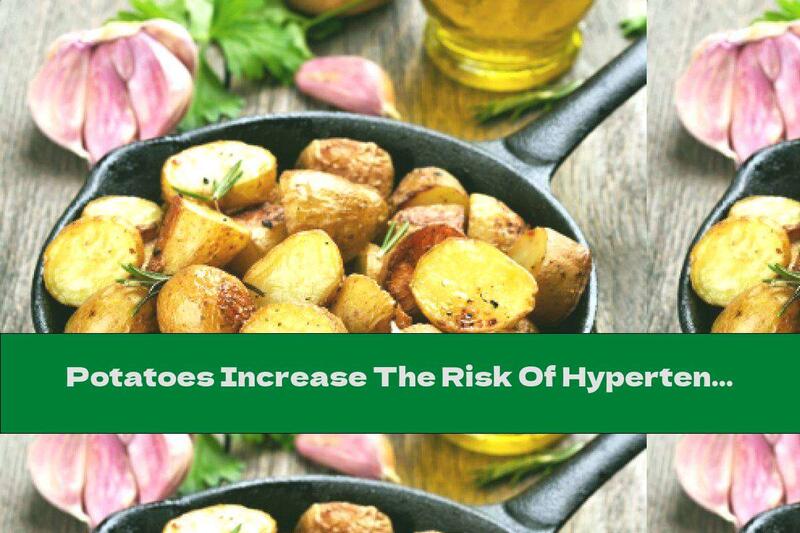
Consumption of potatoes four times a week or more threatens to raise blood pressure levels.
Consumption of potatoes four times a week can increase the risk of developing hypertension , experts warn. This also applies to baked and boiled potatoes. Their consumption increases the risk of rising blood pressure levels as much as potato chips .
Chips are known to be high in fat due to the frying process , which poses health risks.
According to researchers at Harvard Medical School in the United States, eating potatoes in any form poses a risk to blood pressure levels . They believe that the cause is in the starch in the potatoes. Because they have a high glycemic index , starchy carbohydrates are rapidly transformed into sugars when they enter the body, leading to a rise in blood sugar levels. Over time, this can cause blood sugar problems .
For the purposes of their study, the researchers analyzed data from 187,000 men and women who were followed for 20 years. They are involved in three large-scale projects in the United States.
The data show that women who regularly eat potatoes may be at a slightly higher risk of hypertension than men. In general, among men and women who consume potatoes four times a week, whether fried, baked or cooked, the risk of high blood pressure increases by 11%. The comparison is with those who consume potatoes less than once a month.
It is also found that among people who consume chips four or more times a week, the risk of developing hypertension is higher by 17%. Experts also found that replacing one serving of potatoes a day with non-starchy carbohydrates reduced this risk by 7%.
The data are published in the British Medical Journal .
Related Articles
- The Ultimate Guide to E120i (Carmine) in Nutrition: Benefits, Usage, Recipes, and Risks
- The Impact of Potato Chips on Health: Nutritional Content, Risks, and Alternatives
- The Ultimate Guide to E161 in Nutrition: Sources, Benefits, and Risks
- The Ultimate Guide to Sweet Potatoes: Nutrition, Benefits, and Recipes
- The Ultimate Guide to Protein Shakes: Benefits, Recipes, and Risks
Top Nutrition Articles Today
- . E515: Potassium Sulphates and Potassium Bisulphates - Functi...
- . The Role of Disodium Diphosphate in Food: Uses, Health Conce...
- . Hydrochloric Acid in Nutrition: Importance, Effects, and Sup...
- . How To Cook Spinach Soup With Corn Flour, Parmesan And Garli...
- . The 123 Approach to Nutrition: Benefits, Implementation, and...
- . Is It Filled With Carbonated Water?
- . Steroids in Eggs: Separating Fact from Fiction | Nutrition a...
- . Water Protects Against Diabetes
- . How To Cook Caramel Cream Mousse (for Cakes And Pastries) -...
- . Breastfeeding A Baby With Low Blood Sugar