Raspberries For Strong Memory And Vision
 Author: Ivan Red Jr.
Time for reading: ~1
minutes
Last Updated:
August 08, 2022
Author: Ivan Red Jr.
Time for reading: ~1
minutes
Last Updated:
August 08, 2022
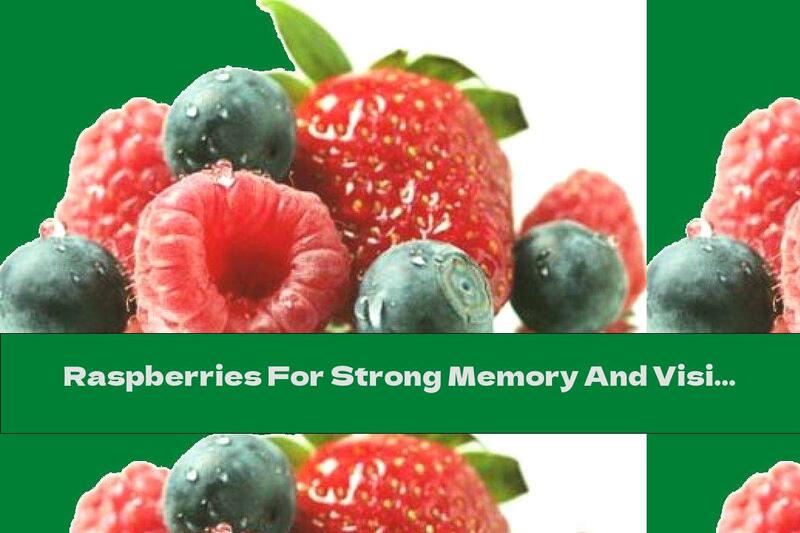
In this article, learn more about Raspberries For Strong Memory And Vision. Fruits are rich in antioxidants and help slow the aging of the brain..
With the consumption of raspberries in the summer we get useful vitamins and minerals such as potassium, manganese, copper, iron and magnesium.
We can easily include them in the diet, as 100 g contain only 52 calories and 6.5 g of fiber.
Raspberries have antioxidant action due to the content of anthocyanins, ellagic acid, quercetin, catechins, salicylic acid and others. The benefits of the ingredients have been scientifically proven. They are believed to help against the development of cancer , inflammation, cardiovascular and neurodegenerative diseases.
It has been found that the consumption of berries promotes the slowing down of brain aging and the development of Alzheimer's disease. The flavonoids in fruits fight free radicals that damage brain cells. According to scientists, antioxidants interact with harmful molecules before causing damage.
Small fruits are an excellent source of vitamin C, which also has antioxidant properties. It is known for its role in combating oxidative stress . Consumption of foods high in vitamin C is also useful for maintaining immunity, experts say. 100 g of raspberries provide 26.2 mg of the vitamin.
Raspberries also contain vitamin A , which is good for eyesight and necessary for the formation of new cells. It also helps to slow down the aging process.
Aromatic and delicious fruits are rich in vitamin E . It is important for improving blood circulation, tissue regeneration, normal blood clotting. It also has a role in lowering blood pressure. The vitamin also helps prevent cataracts.
Due to the low content of sucrose, the fruits are recommended for diabetes and kidney problems.
And in folk medicine, raspberry leaves are recommended for gastrointestinal problems , as well as for sore throats and gums .
Related Articles
- 10 Foods to Boost Brain Activity: Improve Memory and Cognitive Function
- 10 Foods to Boost Brain Activity: Enhance Memory and Cognitive Function
- 10 Foods to Boost Brain Activity: Enhance Memory and Cognitive Function
- Calcium Lactate (E352): A Nutritional Powerhouse for Strong Bones and More
- The Importance of Calcium Carbonate in Nutrition: Building Strong Bones
Top Nutrition Articles Today
- . The Power of Guar Gum: Benefits for Digestive Health and Wei...
- . How To Cook Beets So That They Do Not Lose Color
- . The Complete Guide to E120i in Nutrition: Origin, Health Con...
- . Lycopene In Carrots
- . All You Need to Know About E635: Uses, Safety, and Health Im...
- . List of Foods that Contain Carrageenan: A Guide to Avoiding...
- . The Ultimate Guide to Magnesium Carbonate in Nutrition: Bene...
- . The Complete Guide to E150a: Safety, Health Effects, and Alt...
- . Nutrition In Lymphedema (lymphostasis, Elephantiasis, Elepha...
- . The Nutritional Benefits of Raisins for Brain Health