Red Beets Are Good For The Brain
 Author: Dean Rouseberg
Time for reading: ~1
minutes
Last Updated:
August 08, 2022
Author: Dean Rouseberg
Time for reading: ~1
minutes
Last Updated:
August 08, 2022
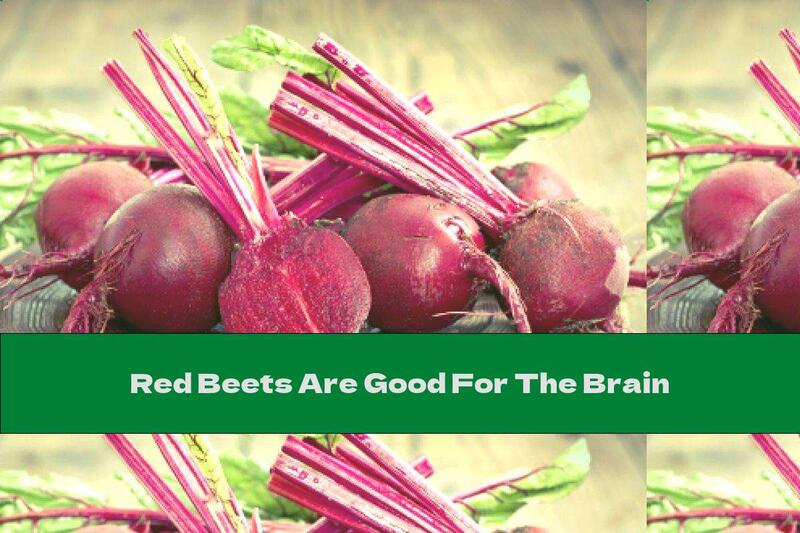
Beetroot is a valuable source of dietary nitrate, which is believed to be one of the main reasons for its potential health benefits.
Beetroot is famous as one of the most beneficial foods for the health of the body. His fame is deserved, and here is what is due ..
In the amount of one cup of raw red beets can be found 58 calories, 13 g of carbohydrates, including 9 g of sugar and 4 g of fiber, and 2 g of protein. It provides 1% of the body's daily need for vitamin A, 2% of the required calcium, 11% of vitamin C and 6% of the iron needed for the day .
Beetroot is also a rich source of folic acid , manganese, and contains thiamine, vitamin B6, pantothenic acid, choline, betaine, magnesium, phosphorus, potassium, zinc, copper and selenium.
Beetroot is a valuable source of dietary nitrate, which is believed to be one of the main reasons for its potential health benefits, which is why it has been studied by experts.
For example, a 2008 study examined the effects of consuming red beet juice among volunteers in good health. There is a significant decrease in blood pressure levels.
According to experts, the effect is due to the high levels of dietary nitrates contained in beets. These results were confirmed by another study conducted in 2010.
It turns out that red beets can be valuable food for the brain. That's according to researchers at Wake Forest University in the United States. They found that consuming beetroot juice could improve oxygen saturation in the brain, thus slowing the development of dementia in older people.
Experts explain that with age, blood flow to certain areas of the brain decreases and leads to a decrease in cognitive abilities and possible dementia.
Related Articles
- The Power of Beets: Nutritional Benefits and Recipes
- 10 Foods to Boost Brain Activity: Enhance Cognitive Function with These Nutrient-Rich Foods
- Optimizing Brain Health: The Role of Food for Cerebrospinal Fluid
- Food for Cerebrospinal Fluid: Nourishing Your Brain with Nutrition
- Nutrition for Cerebrospinal Fluid: Best Foods and Recipes for Brain Health