Red Meat - No More Than 70 G Per Day
 Author: Leticia Celentano
Time for reading: ~1
minutes
Last Updated:
August 08, 2022
Author: Leticia Celentano
Time for reading: ~1
minutes
Last Updated:
August 08, 2022
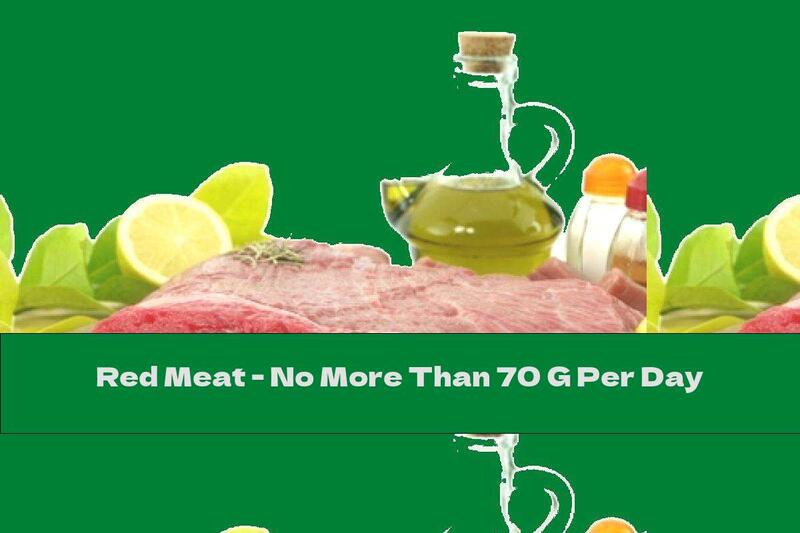
Red and processed meats contain substances that increase the risk of colon cancer.
People should limit the amount of red meat consumed to the equivalent of three slices of ham, a lamb chop steak or two pieces of roast beef a day, experts advise.
The recommendations were prepared by the Scientific Advisory Committee on Nutrition and are designed to reduce the risk of colon cancer.
According to research, red and processed meat contain substances that increase the risk of cancer.
In this regard, reducing the intake of products to 70 g per day can help reduce morbidity, health experts explain.
Studies show that red iron-containing organic pigments, which give red meat its color, damage the lining of the colon.
Processed meats lead to an even higher risk of developing cancer because they are canned, others are smoked, too salty, or contain preservatives. The process of technological processing of meat in the production of sausages causes the formation of carcinogenic substances that can damage cells in the body and lead to the development of cancer.
The World Cancer Foundation recommends limiting the consumption of red cooked meat to 500 g per week, equivalent to about 700-750 g raw.
3800 cases of colon cancer per year can be prevented if less than 70 g of processed meat is consumed per day. Limited consumption of red meat to 70 g will reduce the incidence of cancer by another 1900.
According to statistics, men are more likely to eat more red and processed meat - 42% consume more than 90 g per day, compared to 12% of women.
Related Articles
- Nutrition Guide: Fruitskewers in Honey Syrup - Benefits, Recipes, and More
- The Ultimate Guide to Vitamin E in Nutrition: Benefits, Sources, and More
- The Ultimate Guide to Avocado Nutrition: Benefits, Recipes, and More
- The Ultimate Guide to Yogurt: Benefits, Recipes, and More
- Yeast in Nutrition: Benefits, Recipes, and More
Top Nutrition Articles Today
- . The Power of Mushrooms: Nutritional Benefits and Delicious R...
- . Lychee - A Small Fruit, But Useful And Tasty
- . Which Oil Is More Useful: Olive Or Coconut
- . How To Deal With Cancer Overweight
- . The Importance of Supplements in a Healthy Diet - A Comprehe...
- . The Health Benefits of Potato Chips: How to Enjoy Them in a...
- . Simple Diet Plan
- . How To Cook Stewed Cabbage With Beans, Mushrooms And Prunes...
- . How To Cook Tacos With Fish Halibut And Vegetables - Recipe
- . The Power of Pulses: Nutritional Benefits and Delicious Reci...