Red Onion For A Healthy Heart
 Author: Dean Rouseberg
Time for reading: ~1
minutes
Last Updated:
August 08, 2022
Author: Dean Rouseberg
Time for reading: ~1
minutes
Last Updated:
August 08, 2022
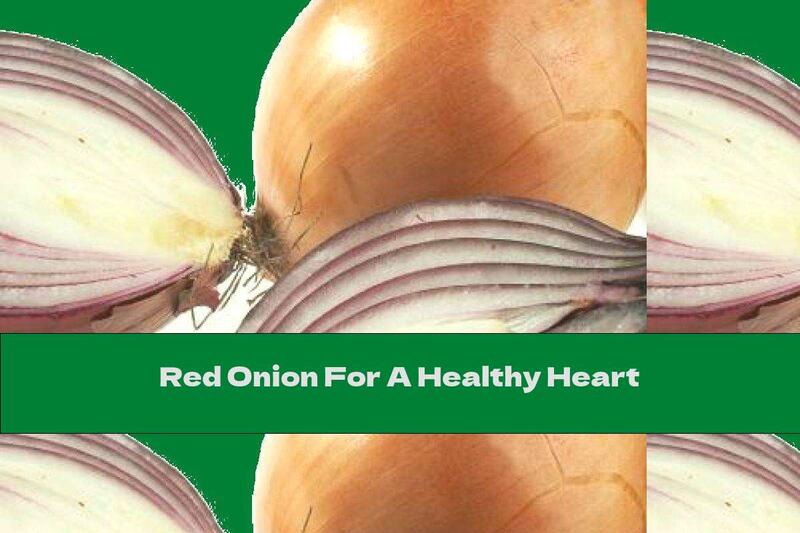
Sulfur compounds, which give it a specific smell, increase the sensitivity to positive emotions and help restore memory ...
Red onions can prevent the development of cardiovascular disease, reports The Daily Mail, citing Chinese scientists
The results of a study led by Dr. Zhen Yu Chen of the University of Hong Kong show that red vegetables, often used in Mediterranean and Indian cuisine, help eliminate bad cholesterol from the body, which can cause heart attacks and strokes.
At the same time, red onions maintain the level of good cholesterol, which has a protective effect on the heart and blood vessels.
The researchers conducted an experimental study with hamsters who were fed a high-fat diet for eight weeks. Some of the experimental animals were given red onions in addition to food. After the end of the experimental period, it was found that in hamsters who received red onions, the level of bad cholesterol, ie. low-density lipoprotein (LDL) has dropped by an average of 20 percent
But during the same period of time there was no decrease in the levels of so-called good cholesterol.
Another study by Japanese scientists showed that sulfur compounds, which are contained in onions and give it a specific smell, increase sensitivity to positive emotions and help restore memory.
Sulfur compounds get from the digestive system into the blood, and from there are transported to the brain tissue, where they stimulate the work of nerve cells.
According to the authors of the study, the best mixture for stimulating memory and cognitive functions is the mix between onion and honey, and the combination is suitable for older people prone to sclerotic changes.
Another study conducted by Dutch researchers shows that spicy vegetables can protect against hay fever. This anti-allergic effect is due to the querceptin contained in onions - a natural anti-histamine and anti-inflammatory agent.
According to experts, onions contain three times the amount of the substance compared to kale and ten times more than broccoli.
Related Articles
- The Ultimate Guide to Hickory Smoked Bacon in Nutrition and Healthy Eating
- Nutritional Benefits of Fruit Skewers in Honey Syrup: A Delicious and Healthy Recipe
- Nutritional Benefits of Fruit Skewers in Honey Syrup: A Healthy and Delicious Snack
- The Nutritional Benefits of Salty Popcorn: A Healthy Snack Option
- The Nutritional Benefits of Popcorn: A Healthy Snack Option