Salted Nuts - Useful Or Harmful?
 Author: Dean Rouseberg
Time for reading: ~1
minutes
Last Updated:
August 08, 2022
Author: Dean Rouseberg
Time for reading: ~1
minutes
Last Updated:
August 08, 2022
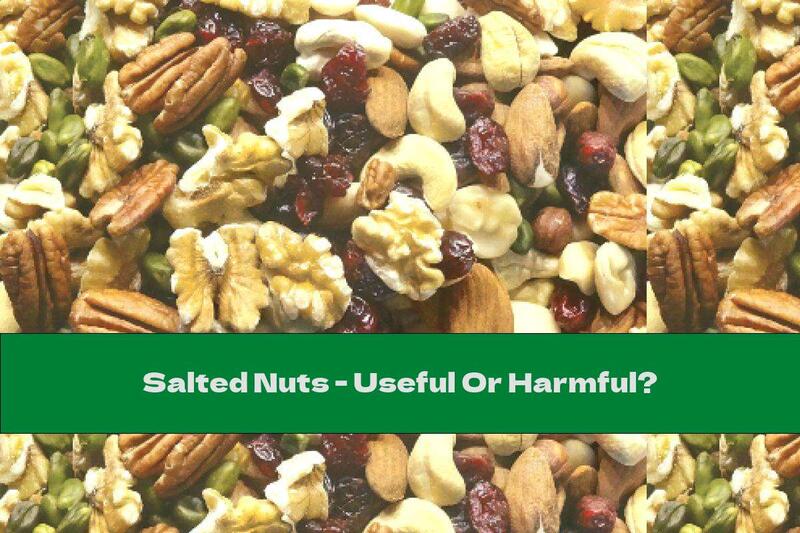
Consumption of salted nuts can do more harm than good as it increases overall sodium intake.
Nuts for an easy and healthy way to get enough both during the day as a snack and as a late evening breakfast. It is important to be careful what nuts we consume, as salted ones can do more harm than good.
Although nuts, salted or not, are energizing and high in calories, the salt in them is a cause for concern. It has the property of a preservative and not only improves the taste but also increases the amount of sodium. Increased levels in the blood pose a risk of high blood pressure, along with other health problems associated with it.
The recommended daily dose of sodium is 2400 mg. Although peanuts have a lower content of this element, almonds and cashews contain it, so when we eat them salted, the total sodium intake can be significantly increased.
For example, if salted peanuts contain about 95 mg of sodium, nearly 185 mg of necho can be found in salted almonds. Consumption of excessive amounts of salted nuts can be harmful to health, increasing total sodium intake. This carries a risk of cardiovascular disease, hypertension and kidney disease.
Unlike other foods, consuming nuts in moderation is the key to "reaping" the health benefits they provide.
It is also advisable to replace unhealthy and high-fat snacks, such as potato chips, with roasted or unsalted nuts. This not only increases the energy levels in the body, but also the feeling of satiety lasts longer.
We should not limit ourselves to consuming only one type of nuts. Instead, it is advisable to eat a mix of different types. This increases the levels of various valuable nutrients in the body.