Side Effects Of Overeating With Ginger
 Author: Maryam Ayres
Time for reading: ~1
minutes
Last Updated:
August 08, 2022
Author: Maryam Ayres
Time for reading: ~1
minutes
Last Updated:
August 08, 2022
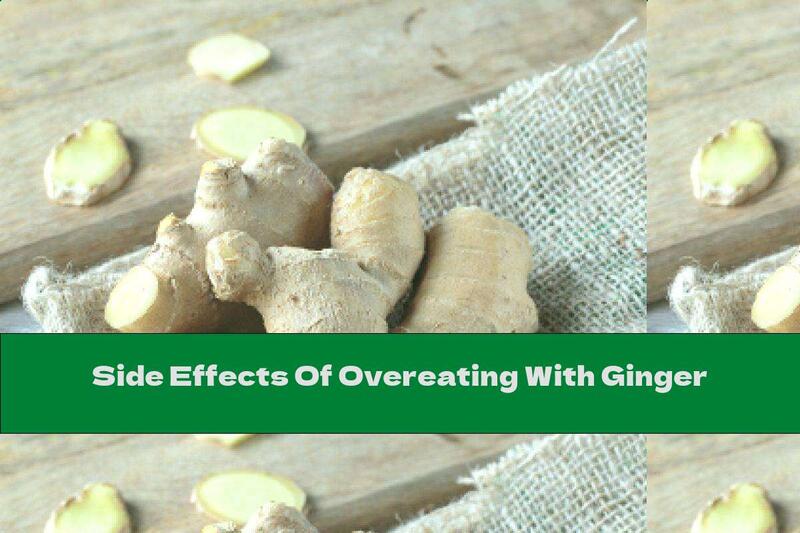
In this article, learn more about Side Effects Of Overeating With Ginger. Ginger is good for health, but it can also harm us if we overdo it..
Ginger is a superfood that has many health benefits. In 100 grams of root powder there are 71, 62 grams of carbohydrates, 3, 39 sugars, 14, 1 grams of dietary fiber, 4, 24 fats, and the amount of protein is 8, 98. The plant is a source of valuable minerals such as calcium , magnesium , iron , thiamine, phosphorus, sodium and zinc .
It has been proven that the spice, which is used as an ingredient in many delicious stews, can cause gas, bloating and heartburn if you overdo it. However, recent studies by the National Center for Complementary and Alternative Medicine in India show that fresh ginger can also harm us if we eat more than we need.
Eating ginger during pregnancy is recommended to relieve morning sickness . Studies show that with increased intake, a change in hormones can be observed, which has an adverse effect on the fetus of pregnant women. The risk of serious malformations in infants of women taking ginger varies between 1% and 3%.
Experts have found that ginger can make bleeding more abundant during a cycle, so it is recommended to stop consuming it a few days before the start date.
Ginger has the property of slowing down blood clotting and increasing the effect of anticoagulant drugs , which some people take on a doctor's prescription. In combination with other medications, it can raise blood pressure, but also lower blood sugar levels , so it is not useful for diabetics.
MedlinePlus magazine points out that large amounts of ginger can cause drowsiness and slow cognitive function. And clarifies that we should not consume more than 4 grams of fresh root per day. Otherwise, we can get diarrhea, heartburn , bloating, irritation, nausea , and in some cases, allergies with chest tightness, difficulty breathing, rash.
Related Articles
- Nutrition for Respiratory Health: Supporting Your Lungs with the Right Foods
- The Ultimate Guide to High Gluten Foods: Effects, Benefits, and Recipes
- Boost Digestive Health with Buffer 500 - Benefits & Recipes
- Boost Your Health with Buffer 500: Benefits, Recipes, and More
- Nutrition and Libido: Enhance Your Sex Drive with the Right Foods
Top Nutrition Articles Today
- . Eating 5 Meals A Day
- . Breastfeeding A Baby With Low Blood Sugar
- . The Role of Carbohydrates and Lipids in Nutrition: Importanc...
- . Nutrition In Urethritis (inflamed Urethra / Urethra)
- . Diet After Pancreatic Surgery
- . Optimizing Nutrition with Freestyle Libre: Benefits, Meal Pl...
- . The Truth About Potato Chips: Health Effects and Alternative...
- . The Power of Propolis in Nutrition: Benefits and How to Use
- . List of Foods that Contain Carrageenan: A Guide to Avoiding...
- . The Role of Hormones in Nutrition: Insulin, Leptin, Ghrelin,...