Sunflower Seeds For Health
 Author: Alexander Bruni
Time for reading: ~2
minutes
Last Updated:
August 08, 2022
Author: Alexander Bruni
Time for reading: ~2
minutes
Last Updated:
August 08, 2022
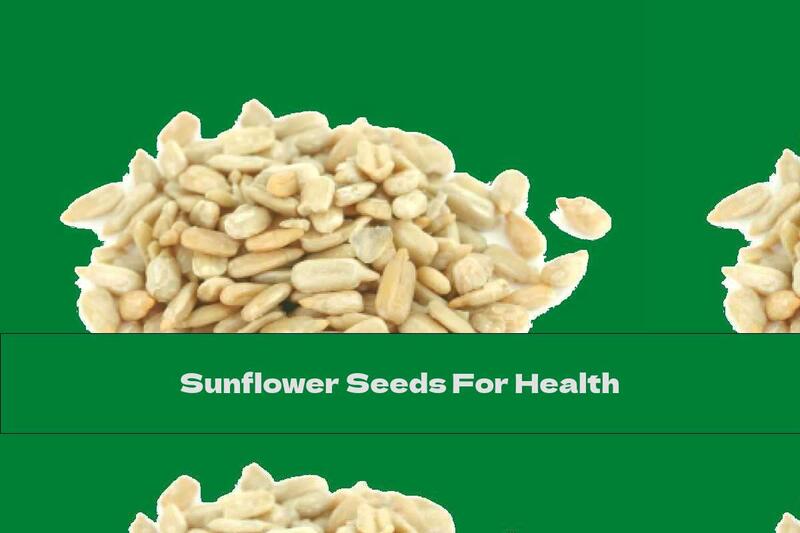
Suitable for any time of day, unsightly-looking seeds can greatly strengthen the body's defenses.
Although they look small and insignificant, sunflower seeds are among the healthiest foods. They are filled with high quality and useful fats , proteins , fiber and extremely important vitamins and minerals that are in the most optimal concentration for the human body.
Sunflower seeds have an excellent balance between mono- and polyunsaturated fatty acids, which help remove plaque deposited by "bad" LDL cholesterol on the walls of blood vessels. The most famous and healthy of these acids is linolenic acid - a powerful antioxidant, with proven effectiveness in the prevention of many types of infectious diseases and some pronounced anti-cancer properties.
The huge amounts of vitamin E in sunflower seeds are a rare find for the plant kingdom. Even in much smaller amounts, vitamin E is one of the fastest acting antioxidants known to man. Its instant ability to remove free radicals from the body makes it one of the fiercest defenders of good health.
Foils are of great importance for maintaining healthy red blood cells, bone strength and proper brain activity. A handful of sunflower seeds imports more than 17% of the foils needed for the day.
A great source of selenium , the same portion of seeds supplies the body with 26% of the required daily dose. This element has not only pronounced antioxidant properties, but is a structural component of a large number of important enzymes. In addition to anti-cancer properties, it also has anti-aging and anti- diabetic properties .
Although they look durable, sunflower seeds are rich in fat, which makes them susceptible to spoilage and rancidity, which severely impair their nutritional and taste qualities. If you buy peeled seeds, they should not have a yellowish color, and if their very smell is heavy and bitter, they can now even be poisonous. When buying fresh, unroasted seeds, it is recommended to store them in the refrigerator, and after baking - in a tightly closed container in a dark and cool place.
Sunflower seeds are not known as allergens and contain negligible amounts of oxylates and purines . It is recommended to consume peeled, because there is a risk of abrasion of tooth enamel, which can lead to the development of caries.
They are an excellent addition to salads, fish, eggs and muesli, as they not only make their taste more pleasant, but also complement them with useful compounds.
Compared to the Approximate daily intake, one cup of peeled seeds or about 35 grams contains: vitamin E - 61.5% of ODP; vitamin B1 - 34.6%; manganese - 34%; honey - 31.5%; tryptophan - 31.2%; magnesium - 28%; selenium - 26%; vitamin B6 - 23.5%; phosphorus - 23.1%; foliates - 19.8%; calories - 11%.
Related Articles
- The Power of Honeysuckle: Health Benefits and Recipes
- The Ultimate Guide to Hickory Smoked Bacon in Nutrition and Healthy Eating
- Nutritional Benefits of Fruit Skewers in Honey Syrup: A Delicious and Healthy Recipe
- Nutritional Benefits of Fruit Skewers in Honey Syrup: A Healthy and Delicious Snack
- Nutrition for Respiratory Health: Supporting Your Lungs with the Right Foods
Top Nutrition Articles Today
- . The Nutritional Benefits of Figs: A Fiber-Rich Fruit Packed...
- . Foods For A Regular Stomach
- . The Importance of Carotene in Nutrition: A Complete Guide
- . Medicinal Drinks For Colds
- . The Truth About Potato Chips: Health Effects and Alternative...
- . How To Cook Pork Liver And Mushrooms In Cream Sauce With Che...
- . Cochineal Extract Food List: Nutritional Value, Health Benef...
- . The Ultimate Guide to Lean Meat in Nutrition: Benefits, Type...
- . The Role of Water in Nutrition: Importance and Benefits
- . Camel Meat