The 8 Types Of Proteins In The Human Body
 Author: Marko Balašević
Time for reading: ~1
minutes
Last Updated:
August 08, 2022
Author: Marko Balašević
Time for reading: ~1
minutes
Last Updated:
August 08, 2022
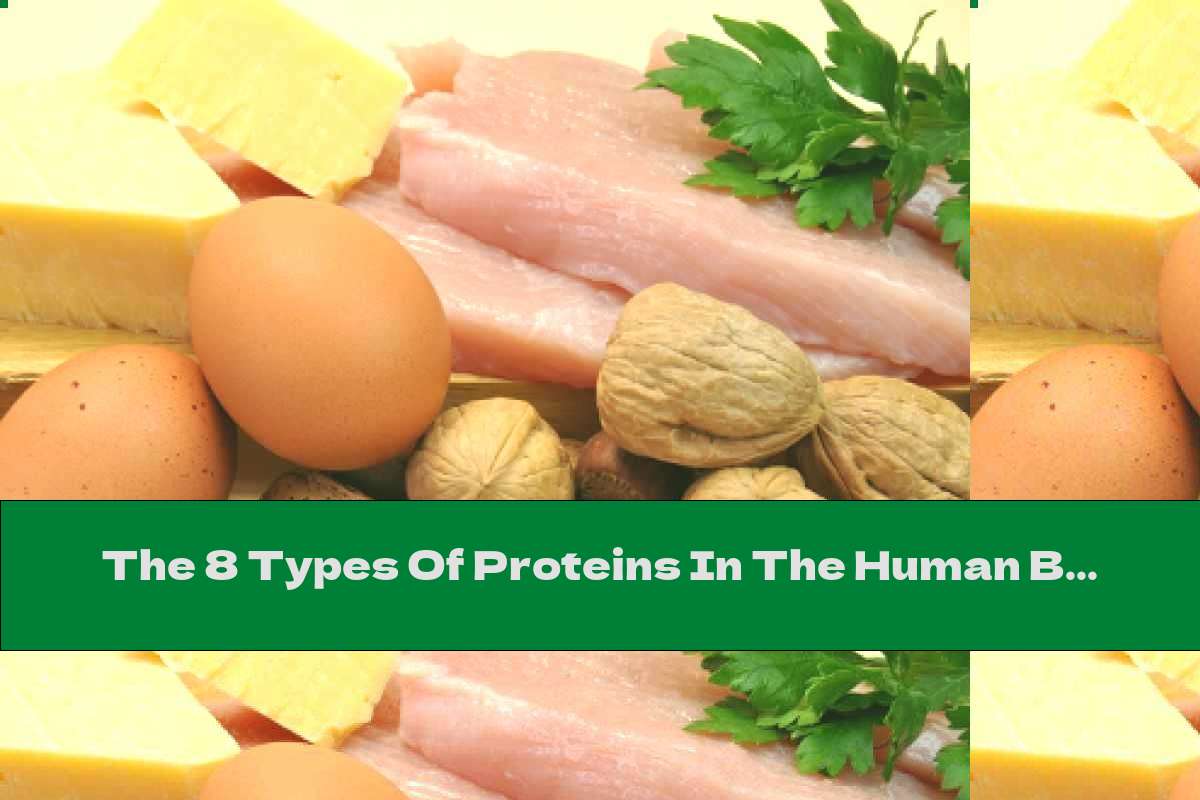
In this article, learn more about The 8 Types Of Proteins In The Human Body. What is the function of various proteins in the body?.
Proteins , commonly known as proteins , are nutrients that support the growth and proper function of human tissues. Proteins are made up of amino acids that can be substituted and irreplaceable . Indispensable are obtained from foods such as meat, legumes, fish and eggs and more. Interchangeable, can be produced by the human body, with proper nutrition and good health. According to the World Health Organization, between 10% and 25% of daily caloric intake should come from protein.
This is important because they help in the formation of other proteins and protein structures in the body. They are 8 main types.
1. Hormonal
Hormones are protein chemicals secreted by the endocrine glands. Transported mainly through the blood, hormones act as chemical signaling agents through which various cells and tissues in the body can communicate and transmit information. The protein hormone insulin , for example, is secreted by the pancreas and regulates blood sugar levels throughout the body.
2. Enzymatic
Enzyme proteins accelerate metabolic processes in the body, such as liver function, blood clotting and the conversion of glycogen to glucose. Digestive enzymes are proteins that digest nutrients in simpler forms that can be absorbed by the body.
3. Structural
Also known as filamentous proteins, they are stable and healthy molecules that build the most durable structures in the body. The most common are collagen , keratin and elastin . Collagen forms the connecting joints of muscles, bones, tendons, skin and joints.
4. Protective
Immunoglobulins are proteins essential for the immune system. With the help of white blood cells, they form antibodies that attack dangerous bacteria, viruses and other pathogens and neutralize them.
NEWS_MORE_BOX
5. Transport
These proteins carry vital materials to and from cells. Hemoglobin, for example, carries oxygen from the lungs to the tissues and carries carbon dioxide back, while myoglobin absorbs oxygen from hemoglobin and releases it into the muscles.
6. Warehouses
These proteins store important mineral ions, such as the iron needed to make hemoglobin. The storage protein ferritin also regulates levels and prevents the accumulation of too much iron in the body.
7. Receptor
Located on the outer surface of cells, they control which substances can pass through the cell.
8. Abbreviations
Known as "motor" proteins, actin and myosin, they determine the strength and speed of muscle contractions.
Related Articles
- The Role of Flour in Nutrition: Types, Benefits, and Recipes
- The Role of Additives in Nutrition: Types, Common Additives, Regulations, and Health Concerns
- The Role of Additives in Nutrition: Types, Common Additives, Health Concerns
- The Role of Thickeners in Nutrition: Types, Benefits, and Recipes
- The Ultimate Guide to Protein Shakes: Benefits, Types, Recipes, and More
Top Nutrition Articles Today
- . Foods Containing Carrageenan: A Comprehensive Guide for Your...
- . Foods For A Regular Stomach
- . Medicinal Drinks For Colds
- . The Nutritional Benefits of Figs: A Fiber-Rich Fruit Packed...
- . E551: The Food Additive You Should Know About
- . The Fibroid Diet: Nutrition Strategies for Managing Fibroids
- . How To Cook Pork Liver And Mushrooms In Cream Sauce With Che...
- . List of Foods that Contain Carrageenan: A Guide to Avoiding...
- . Camel Meat
- . The Truth About Potato Chips: Health Effects and Alternative...