Transitional Food
 Author: Maryam Ayres
Time for reading: ~2
minutes
Last Updated:
August 08, 2022
Author: Maryam Ayres
Time for reading: ~2
minutes
Last Updated:
August 08, 2022
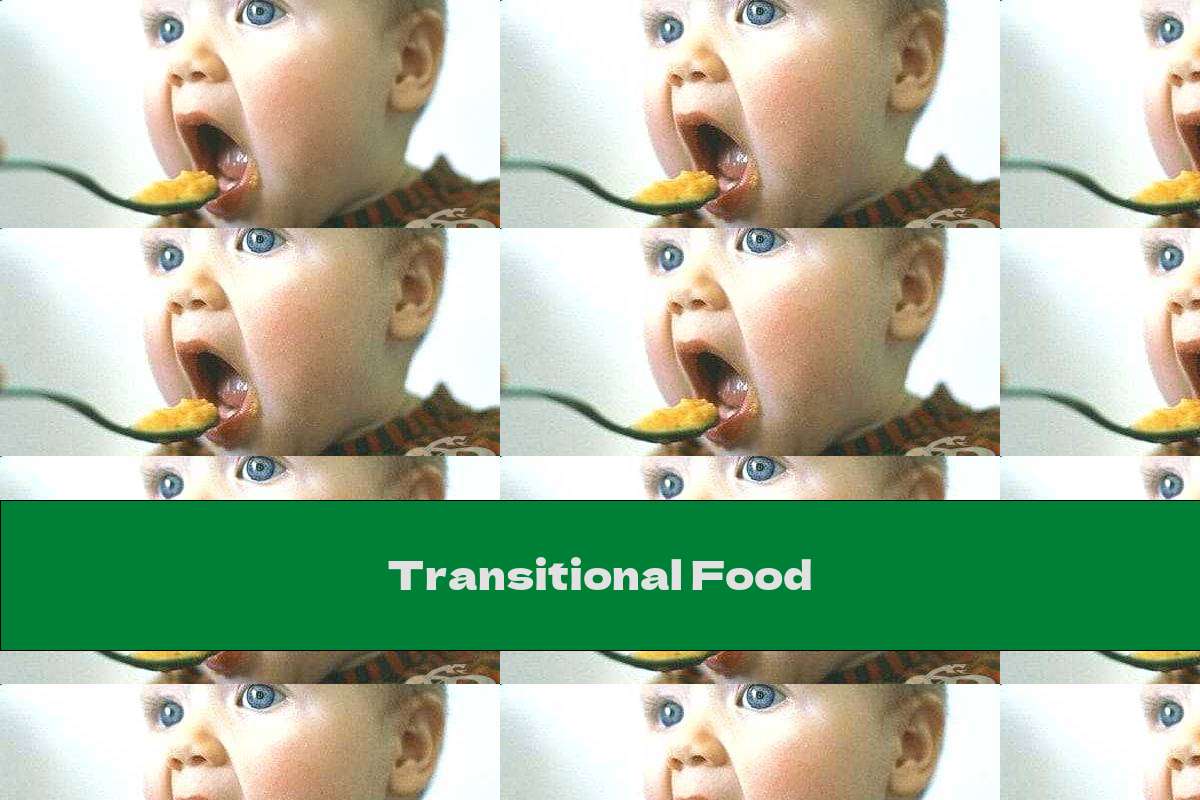
Transitional food is a very important stage between the feeding of babies and that of older children. It is introduced gradually at the end of 10 months, when in children the functional capabilities of the digestive tract
Transitional food is a very important stage between the feeding of babies and that of older children. It is introduced gradually at the end of 10 months, when in children the functional capabilities of the digestive and urinary systems have increased, and lasts until 1.5 years of age. Then the child's chewing apparatus is better developed and he can take rougher and more varied products. This means that it can be given to adult food, but it must be prepared without a lot of salt, spices and fat and not fried. It should also be soft, mushy, but not mashed, the meat should be minced, and the fruits and vegetables should be finely chopped or grated. The dishes are mostly cooked or stewed.
10 months
At the end of the 10th month, at noon, before the vegetable or meat-vegetable puree, a few spoons of transitional food are given , and in the following days the amount is increased until the puree is completely displaced.
11 months
During this month, the volume of food intake increases and you switch to a 4-hour diet.
12 months
The evening milk meal is gradually replaced by a lean meal, milk dessert or yogurt.
- For breakfast, the child may be offered milk with a muffin or biscuits, couscous, potpourri with cheese, fruit or vegetable puree or grated fruits and vegetables.
- For lunch - chicken soup or soup balls, dishes with minced meat, moussaka, meatballs, stuffed peppers, mashed potatoes or peas, zucchini with rice, spinach puree with cheese, salad of grated vegetables and dessert (fruit puree, compote, grated fruits).
- For the child's afternoon breakfast, cream with semolina, starch, milk with rice, croissant, muffin, yoghurt, kefir or nectar is offered.
- For dinner - a lean dish with 150 - 200 milliliters of milk and dairy dessert.
The "transitional" children's menu should include milk and dairy products, meat, fish, eggs, cereals, legumes, fruits and vegetables. Meat dishes and meat products are given 3-4 times a week. Fish should be included in the menu at least once a week, as well as half or one boiled egg every day. Consumption of salt, sugar, confectionery and spicy spices should be limited. When preparing baby food, avoid the use of flavorings, preservatives and artificial colors. These ingredients can cause allergies, headaches and other health problems .
- Types of breastfeeding
- What is mixed feeding in babies and how it is done
- Principles of feeding the baby
- What should be the diet of children from 1 to 3 years of age
Related Articles
- Nutrition for Respiratory Health: Supporting Your Lungs with the Right Foods
- The Ultimate Guide to High Gluten Foods: Benefits, Sources, and Recipes
- The Ultimate Guide to High Gluten Foods: Effects, Benefits, and Recipes
- The Ultimate Guide to Lactic Acid in Nutrition: Benefits, Food Sources, and Recipes
- The Nutritious World of Wendy's Salads: A Healthy Fast Food Option
Top Nutrition Articles Today
- . Steak Label
- . How To Fry Porcini Mushrooms
- . Beer Also Protects Against Osteoporosis
- . The Ultimate Guide to Calcium Inosinate in Nutrition: Benefi...
- . The Importance of Supplements in a Healthy Diet - A Comprehe...
- . Understanding Gassy Foods: Impact on Digestion and Low-Gas D...
- . Net Zero
- . How To Cook Lunch For School: Meatballs, Babaganush, Sarma,...
- . How To Deal With Cancer Overweight
- . How To Cook Tacos With Fish Halibut And Vegetables - Recipe