Turnips - So Many Health Benefits Hidden Underground
 Author: Leticia Celentano
Time for reading: ~2
minutes
Last Updated:
August 08, 2022
Author: Leticia Celentano
Time for reading: ~2
minutes
Last Updated:
August 08, 2022
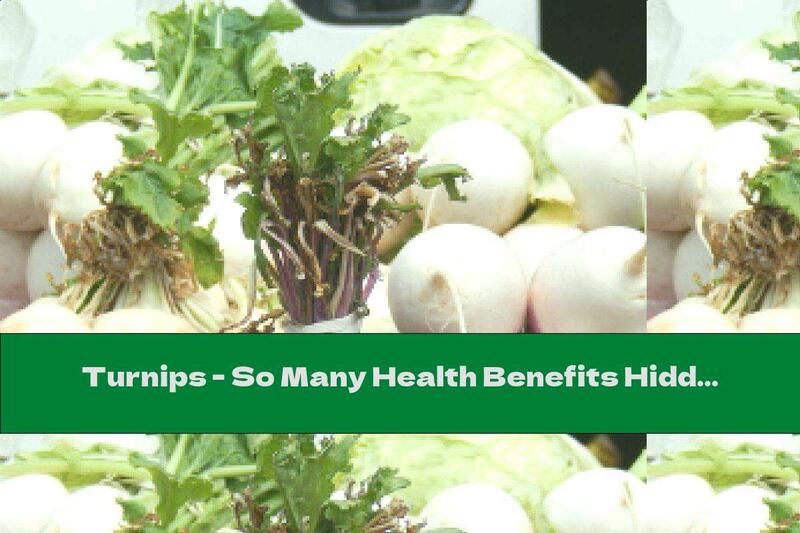
Turnips are rich in vitamin K, potassium and iron, but also in very rare nutrients.
Turnip is one of the few root vegetables in which the leaves are not inferior in nutritional value and nutrient content to the fruit. The fruit and leaves of turnip contain a combination of vitamins , trace elements and rare bioactive substances , which strengthens intestinal and heart health, helps detoxify the body and even has anti-cancer effects.
The composition of turnips highlights the high content of fiber, vitamin C and vitamins B6 (pyridoxine) and B9 (folic acid), as well as the trace elements iron, potassium , sodium, manganese and copper.
100 g of turnips provide about 50% of the recommended daily intake of vitamin C, about 25% of the iron we need and about 7-8% of the required daily intake of other trace elements.
Turnips also contain more specific substances such as organic nitrate compounds, brassinin and sulfur-containing substances from the group of glucosinolates, which give it a specific aroma and taste .
Turnip leaves also have a high content of vitamin C, but more important in this case is the presence of another and much more difficult to obtain vitamin - K. Turnip leaves are a serious source of vitamin K , alpha-linolenic and others. unsaturated fatty acids with pronounced anti-inflammatory action. To these we must add high doses of carotenoids and especially lutein - an important eye pigment and a powerful antioxidant.
Due to the complex composition of radish and its leaves, regular consumption of these products is useful in several key aspects:
- Strengthening the health of the intestines - the high fiber content in turnips helps the fast movement of food through the intestines and reduces the pressure on their walls. This is a very important preventive action against the development of diverticulitis and other intestinal problems;
- Detoxification of the body - regular intake of turnips helps detoxification in 2 aspects. The high content of a powerful antioxidant such as vitamin C neutralizes free radicals and their negative consequences. In addition, by regulating the activity of the intestines, fiber stimulates the excretion of more harmful substances and toxins with intestinal contents;
- Maintaining heart health - the high content of potassium in turnips maintains the tone of vascular walls, reduces the risk of spasms of smooth muscles in them and helps regulate blood pressure. In addition, the organic nitrates in turnips improve the function of the endothelium (the inner surface of blood vessels) and reduce the tendency of platelets to stick together. This significantly reduces the risk of thrombosis;
- Prevention of some forms of cancer - Several studies show that regular consumption of turnips reduces the risk of some of the most common cancers. Turnips are among the richest natural sources of glucosinolates, which studies attribute to beneficial effects against melanoma , prostate cancer and pancreatic cancer. Brassinin in turnip has a scientifically proven effect on inhibiting the growth of tumor cells in colon cancer and lung cancer;
Turnips can be consumed in any form, but the only option that can ensure the preservation of the active appearance of all healthy substances in it is its raw consumption. The good thing is that even in its raw form it offers many opportunities for culinary achievements.
Related Articles
- The Power of Honeysuckle: Health Benefits and Recipes
- The Ultimate Guide to Hickory Smoked Bacon in Nutrition and Healthy Eating
- Fruitskewers in Honey Syrup: Nutritional Benefits and Recipes
- The Ultimate Guide to Buffer 500 in Nutrition: Benefits and Usage
- Nutritional Benefits of Fruit Skewers in Honey Syrup: A Delicious and Healthy Recipe
Top Nutrition Articles Today
- . Nutrition In Hyperopia (farsightedness)
- . What To Cook With Sweet Potato
- . How To Cook Lunch For School: Pizza, Salad, Raw Candy, Pear,...
- . Understanding Cholesterol in Nutrition: Impact, Types, and R...
- . 5 Recipes For Potato Casserole In The Oven
- . How To Fry A Potato With A Crust
- . How To Make Easy Potato Salad
- . Nutritional Benefits of Fruit Skewers in Honey Syrup: A Heal...
- . Understanding Cholesterol in Nutrition: Effects of Diet and...
- . The Ultimate Guide to Vitamin E in Nutrition: Sources, Benef...