Two Larger Portions Is Better Than Six Small Ones ?!
 Author: Alexander Bruni
Time for reading: ~1
minutes
Last Updated:
August 08, 2022
Author: Alexander Bruni
Time for reading: ~1
minutes
Last Updated:
August 08, 2022
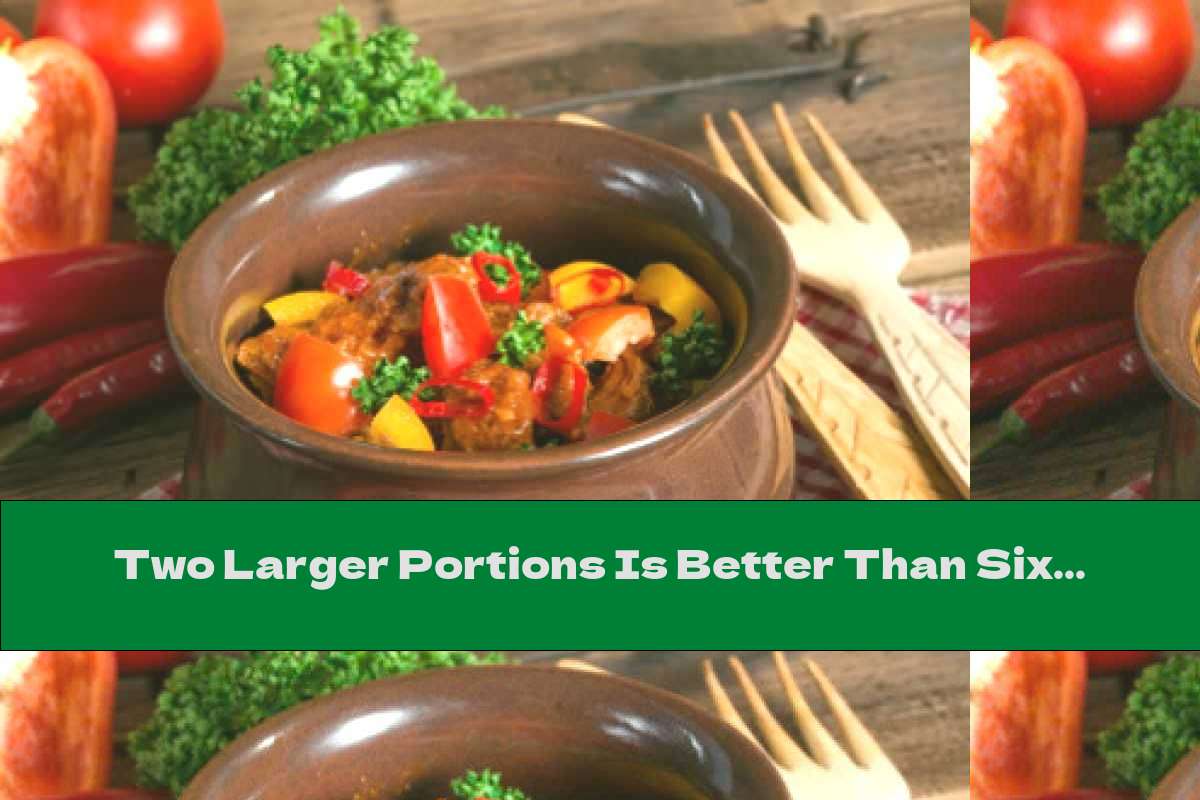
People who consume two large meals a day lose more weight than those who eat more often but less.
Eating two larger meals earlier in the day and skipping dinner may be a better weight loss strategy than eating six smaller meals a day, a new study suggests.
The data contradict claims that food divided into smaller portions is a successful way to "drive away" hunger and maintain metabolism in attempts to reduce weight .
Researchers from the Czech Republic observed 54 patients with type 2 diabetes over a period of 24 weeks. At random, the participants are divided into two groups. Everyone follows a diet that reduces calorie intake by 500 per day. The content of the diet includes 50 - 55% carbohydrates, 20 - 25% protein and less than 30% fat .
For the first 12 weeks, the participants in one group eat three times a day - breakfast , lunch and dinner, and between the main meals they consume small snacks. Participants in the other group consume a hearty breakfast between 06:00 and 10:00, followed by a hearty lunch between 12:00 and 16:00. For the remaining 12 weeks, participants change their diets.
A condition of the experiment is that the participants do not change their habits related to physical activity .
The analysis of the results shows weight loss and fat reduction in all participants. However, performance is better for those who consume only two larger portions of food per day. Such a diet also leads to lower blood sugar levels , the study found.
The data are published in the journal Diabetologia .
Related Articles
- The Role of Hormones in Nutrition: Impact on Diet, Weight Management, and Health
- The Hormone 6 Plan: Balancing Hormones Through Nutrition
- The Ultimate Guide to E415 (Xanthan Gum) in Nutrition
- The Hormone 6 Plan: Balancing Hormones Through Nutrition
- The Ultimate Guide to Small Potatoes: Nutrition, Recipes, and More
Top Nutrition Articles Today
- . Steak Label
- . List of Foods that Contain Carrageenan: A Guide to Avoiding...
- . The Truth About Potato Chips: Health Effects and Alternative...
- . 10 Day No Sugar No Carb Diet
- . The Power of Chaga Mushroom in Nutrition: Benefits, Uses, an...
- . The Nutritional Value of Hickory Smoked Bacon - A Complete G...
- . Calories In 3 Strawberries
- . Can You Take A Bath When You Have A Cold?
- . Nutrition and Albinism: Managing the Condition Through Diet
- . The Power of Pear Puree: Nutrition, Health Benefits, and Rec...