Vitamin D - Nutritional Sources Of The Valuable Element
 Author: Nia Rouseberg
Time for reading: ~1
minutes
Last Updated:
August 08, 2022
Author: Nia Rouseberg
Time for reading: ~1
minutes
Last Updated:
August 08, 2022
In this article, learn more about Vitamin D - Nutritional Sources Of The Valuable Element. Vitamin D is extremely important for various body functions..
Vitamin D is a fat-soluble vitamin that differs from the others, as the body can form most of the amount we need. This happens with the help of sunlight. The element can also be obtained from the diet.
Vitamin D is more than a vitamin because it acts as a prohormone and affects the hormonal balance and regulation of immunity in the body.
Vitamin D is involved in the absorption of calcium in the bones. Its deficiency in the body can lead to softening of the bones - a condition known as "osteomalacia", or to a bone abnormality known as "rickets".
The main symptoms pointing to a deficiency of the important vitamin include:
- Weakened immune system;
- Seasonal depression;
- Autoimmune disease;
- Crab;
- Weak bones - osteopenia;
- Skin problems, including eczema and psoriasis;
- Dementia.
People who are more at risk of vitamin D deficiency are those who live in regions with less sunlight, people with darker skin, and dieters on low-fat diets. The risk group also includes those who take steroids and medications to lose weight.
Vitamin D also helps with cell replication and may play a role in the development of autoimmune diseases.
Most foods, unless enriched, are poor sources of vitamin D, but there are some that have higher levels.
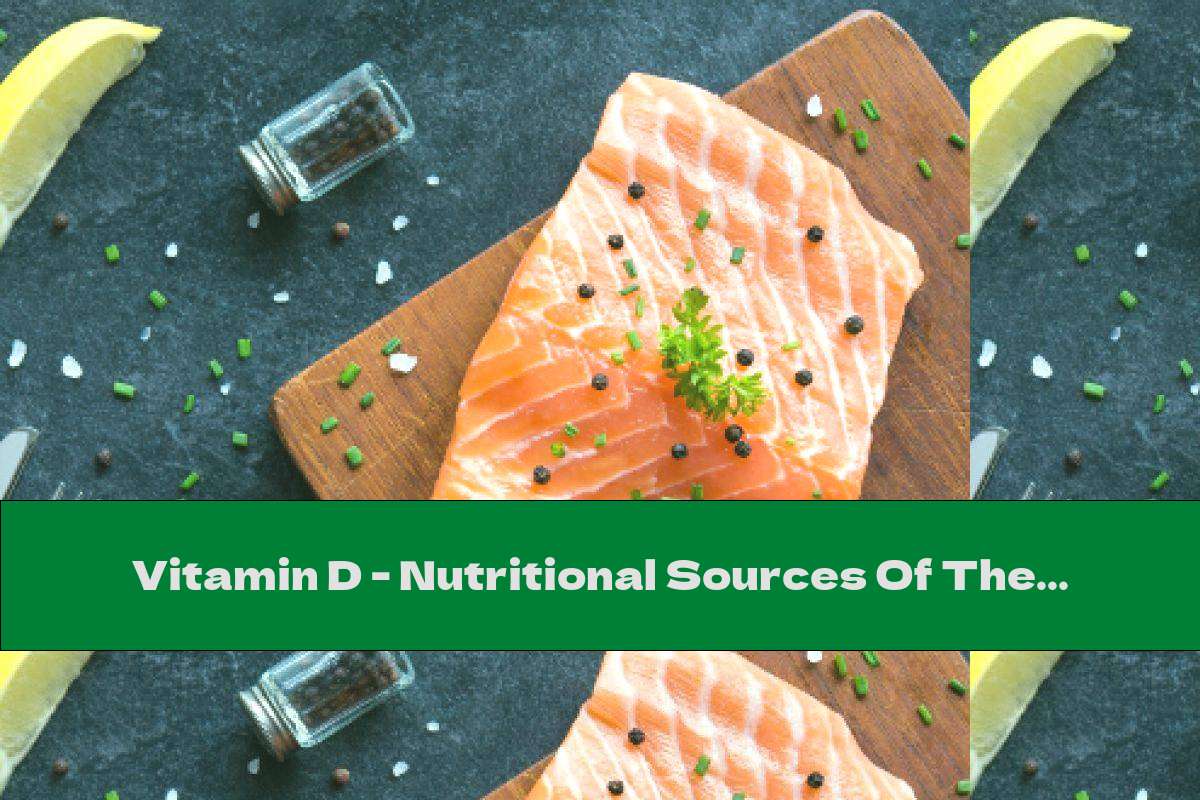
To this end, we should enrich our diet with seafood such as sardines, mackerel, tuna, salmon, and caviar. Other dietary sources of the important vitamin are milk, eggs and mushrooms.
Related Articles
- Fruitskewers in Honey Syrup: Nutritional Benefits and Recipes
- Nutritional Benefits of Fruit Skewers in Honey Syrup: A Delicious and Healthy Recipe
- Nutritional Benefits of Fruit Skewers in Honey Syrup: A Healthy and Delicious Snack
- The Ultimate Guide to Vitamin E: Benefits, Sources, and Recipes
- The Ultimate Guide to Vitamin E in Nutrition: Benefits, Sources, and More
Top Nutrition Articles Today
- . Steak Label
- . One Meal a Day Menu: Benefits, Meal Planning, and Sample Men...
- . 4 phases of digestion
- . Black Chickpeas Nutrition
- . Large Chicken Breast Calories
- . Ligament Vitamins: Signs Of Deficiency And Daily Value
- . The Power of 100% Cocoa Dark Chocolate: Benefits and Uses
- . Nutrition Guide for Thyroidectomy Patients: Tips for a Healt...
- . Nutrition In Hydrocephalus
- . Sepsis