Vitamin K And Foods That Contain It
 Author: Victoria Aly
Time for reading: ~1
minutes
Last Updated:
August 08, 2022
Author: Victoria Aly
Time for reading: ~1
minutes
Last Updated:
August 08, 2022
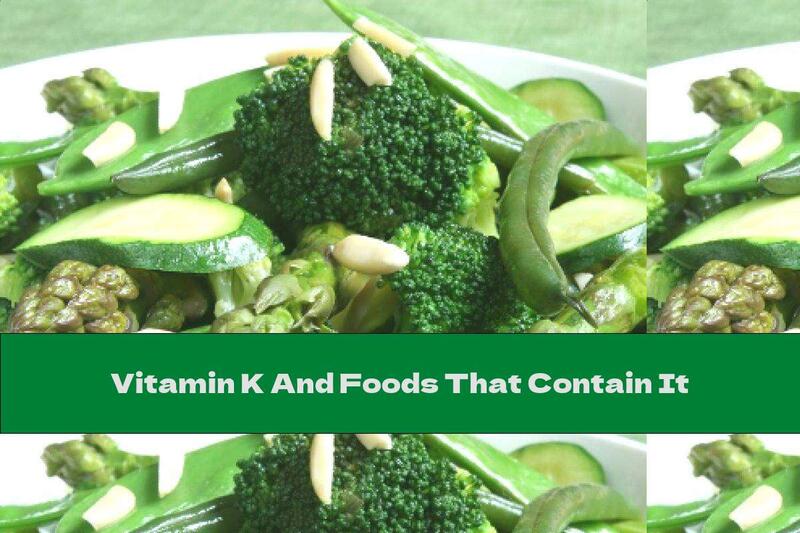
Vitamin K plays an important role in blood clotting by preventing heavy bleeding.
Vitamin K plays a key role in blood clotting, preventing excessive bleeding. This vitamin is actually a group of compounds, the most important of which are vitamin K1 and vitamin K2. Vitamin K1 can be obtained from leafy and some other vegetables, while vitamin K2 is a group of compounds that are produced during the fermentation process of bacteria. It is found in meat , cheese and eggs .
Low levels of fat-soluble vitamin K in the blood may increase the risk of uncontrolled bleeding. Its deficiency in the body of adults is rare today. It can also be used to counteract overdose with blood-thinning drugs .
Although deficiency of this vitamin is rare, the risk may be higher among people who:
- They have a disease that affects absorption in the gastrointestinal tract, such as Crohn's disease or celiac disease.
- Taking medications that interfere with the absorption of vitamin K .
- Are severely malnourished.
- Consume excessive amounts of alcohol .
According to experts, the recommended daily amounts of the vitamin are 90 mcg for women over 19 years and 120 mcg for men of the same age group. For women who are pregnant or breastfeeding and under the age of 19, the recommended daily dose of vitamin K is 75 mcg.
Unlike other vitamins, vitamin K is not usually used as a dietary supplement. We can get it naturally from a diet . For this purpose, the menu should include certain products - vegetables such as spinach , asparagus and broccoli ; beans and soybeans; eggs; berries; meat.
Related Articles
- Nutrition for Respiratory Health: Supporting Your Lungs with the Right Foods
- The Ultimate Guide to Vitamin E: Benefits, Sources, and Recipes
- The Ultimate Guide to Vitamin E in Nutrition: Benefits, Sources, and More
- The Ultimate Guide to High Gluten Foods: Benefits, Sources, and Recipes
- The Ultimate Guide to High Gluten Foods: Effects, Benefits, and Recipes