Watermelon In The Summer For Hydration And A Taste For Life
 Author: Joe Fowler
Time for reading: ~2
minutes
Last Updated:
August 08, 2022
Author: Joe Fowler
Time for reading: ~2
minutes
Last Updated:
August 08, 2022
CHAPTERS (Table Of Contents)
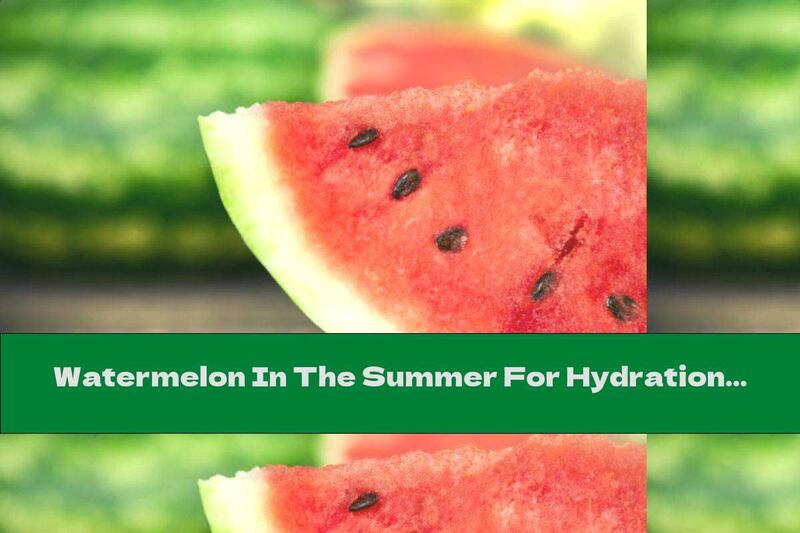
Despite the high water content and precisely because of it, watermelon is useful in the summer for the whole body, but also specifically for the skin and heart.
There is nothing more exciting on hot summer days than a slice of juicy and fresh watermelon. And as if its color and sweetness inspire us more life and tone to enjoy the world around us. Is watermelon worth eating, is it sweet and super water? ...
Here are some of the facts ...
Water, lots of water ... Water is health and youth
92% of the content of watermelon is water, which allows delicious hydration of the body and maintaining its temperature despite the heat. Temperature balance is important for the normal functioning of all organs and systems in the body but has a particularly beneficial effect on the heart, digestive system, and skin. Watermelon helps maintain its elasticity and protects against dryness, which we are so afraid of - dry skin portends wrinkles and accelerates aging.
Reduces the risk of heart disease and some cancers
Watermelon is rich in the antioxidant lycopene and this indicator is the leader among fruits. This is the same nutrient that is responsible for the specific color of the fruit. Its content varies between 15 and 20 mg per 300 g of watermelon.
Lycopene is obviously a significant antioxidant since it has been continuously researched in recent years and its association with a lower risk of some serious diseases. For example, cancer - reduced risk of prostate cancer, and heart disease.
As a typical summer fruit, watermelon is rich in vitamin C, which helps the body cope with current inflammatory processes and in its fight against the effects of free radicals. Is there a lot of suns - it is good to have enough natural intake of vitamin C - it will certainly have a beneficial effect on the skin?
Watermelon for healthy eyes
Watermelon is also a source of vitamin A, which plays a significant role in preventing age-related macular degeneration.
The antioxidant combination of lycopene, vitamin A and vitamin C provides strong support for immunity.
If we illustrate with numbers ...
100 g of watermelon contains only 30 kcal. Carbohydrates, fiber, and sugars are equal to 3%: fiber is 1% of them, sugars are 6.2 g.
Watermelon provides the necessary potassium and electrolyte balance to maintain water-electrolyte balance - 112 mg. The amount of sodium is negligible. It contains 7 mg of calcium and iron.
Vitamins: Vitamin A, vitamin C, pantothenic acid (vitamin B5), thiamine (vitamin B1), pyridoxine (vitamin B6), riboflavin (vitamin B2), niacin (vitamin B3). The leaves of watermelon nutrients are long, but they are in small quantities. These include folate, beta-carotene, lutein, and zeaxanthin, choline.
Of the minerals most significant in relation to daily needs compared to others in the watermelon is the presence of copper, magnesium, manganese, phosphorus, calcium, iron, selenium, and zinc.
Of the amino acids, lysine, threonine, tryptophan, isoleucine, leucine, methionine, phenylalanine, tyrosine, and valine are present.
Related Articles
- Understanding Energy Balance in Nutrition: Tips for Achieving a Healthy Lifestyle
- The Role of Water in Nutrition: Importance, Hydration, and Weight Management
- The Impact of Lifestyle Choices on Weight Management: Nutrition and Habits
- Lifestyle Choices Impacting Weight Management: Nutrition and Healthy Habits
- Nutrition and Lifestyle Choices for Effective Weight Management
Top Nutrition Articles Today
- . Calcium In Lentils
- . Beef (veal) Tongue - Health Benefits For The Body And Use In...
- . The Nutritional Benefits of Scotch: Improving Cardiovascular...
- . The Power of Red Foods: Health Benefits and Nutrition Guide
- . How To Cook Puff Pastry Hot Dog Pie - Recipe
- . How To Reduce Appetite
- . How To Cook Risotto With Tomatoes, Parmesan And Basil - Reci...
- . Nutrition Boost: Functional Properties in Muffins for Health...
- . The Ultimate Guide to Using Ammonium Carbonate in Baking
- . The Ultimate Guide to Creating a Well-Structured Diet Plan f...