We Eat Fried Fish - We Increase The Risk Of Heart Failure
 Author: Nia Rouseberg
Time for reading: ~1
minutes
Last Updated:
August 08, 2022
Author: Nia Rouseberg
Time for reading: ~1
minutes
Last Updated:
August 08, 2022
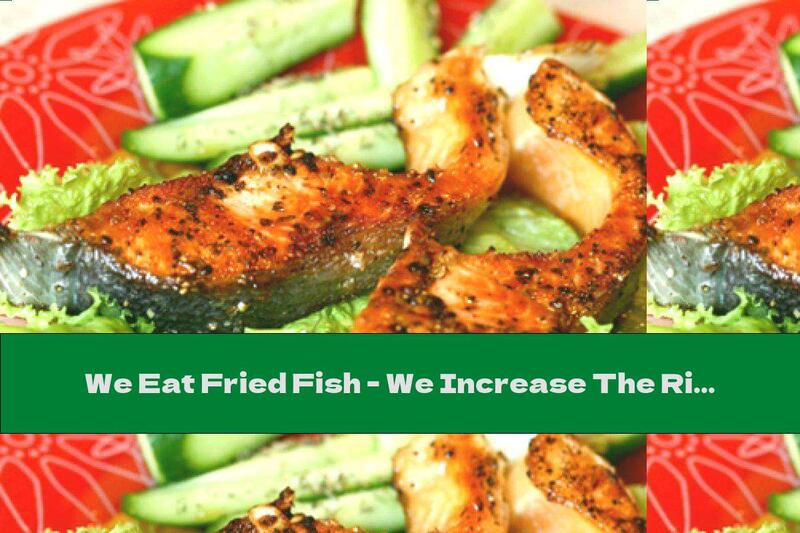
Fish with dark meat can be especially good for heart health due to its high content of omega-3 fatty acids ...
The way the fish is prepared before consumption is important to increase the benefits of the product to stimulate heart health, a new study shows.
For 10 years, the research team has been monitoring the eating habits and health of about 85,000 postmenopausal women.
It has been found that compared to women who rarely or never eat fish, those who eat 4 or more servings per week have a 30% lower risk of developing heart failure, but only if the fish is baked in the oven or cooked on fire or grill.
Eating only 1 serving of fried fish per week is associated with a 48% higher risk of heart failure.
It's important to focus on healthy eating and cooking, says Dr. Donald Lloyd-Jones of Northwestern University in Evanston, Illinois, and author of the study, published in the journal Circulation: Heart Failure.
Scientists are also analyzing the health benefits of different types of fish. Consumption of fish with dark meat such as salmon, mackerel and lefer is associated with a lower risk of heart failure compared to tuna or white fish such as cod and sole.
The findings confirm the current dietary recommendations, which encourage regular consumption of fish as part of a balanced diet.
Dark meat fish can be especially good for heart health due to their high content of omega-3 fatty acids, which are thought to help reduce the risk of heart disease by reducing inflammation, blood pressure and cell damage...
Atlantic salmon, for example, contains about 3-6 times more omega-3 fatty acids than cod or sole.
Related Articles
- The Ultimate Guide to E120i (Carmine) in Nutrition: Benefits, Usage, Recipes, and Risks
- The Impact of Potato Chips on Health: Nutritional Content, Risks, and Alternatives
- The Ultimate Guide to E161 in Nutrition: Sources, Benefits, and Risks
- The Ultimate Guide to Protein Shakes: Benefits, Recipes, and Risks
- Nutritional Benefits of Beef Heart: A Complete Guide
Top Nutrition Articles Today
- . Steak Label
- . Large Chicken Breast Calories
- . Fructose In Strawberries
- . The Role of Silica in Vitamins: Benefits, Sources, and Recom...
- . Sea Buckthorn: Health Benefits And Harms
- . One Meal a Day Menu: Benefits, Meal Planning, and Sample Men...
- . List of Foods that Contain Carrageenan: A Guide to Avoiding...
- . Nutrition In Hydrocephalus
- . Nutrition Guide for Thyroidectomy Patients: Tips for a Healt...
- . The Nutritional Benefits of Eggs: A Complete Guide