What Is A Pumpkin Good For?
 Author: Dean Rouseberg
Time for reading: ~1
minutes
Last Updated:
August 08, 2022
Author: Dean Rouseberg
Time for reading: ~1
minutes
Last Updated:
August 08, 2022
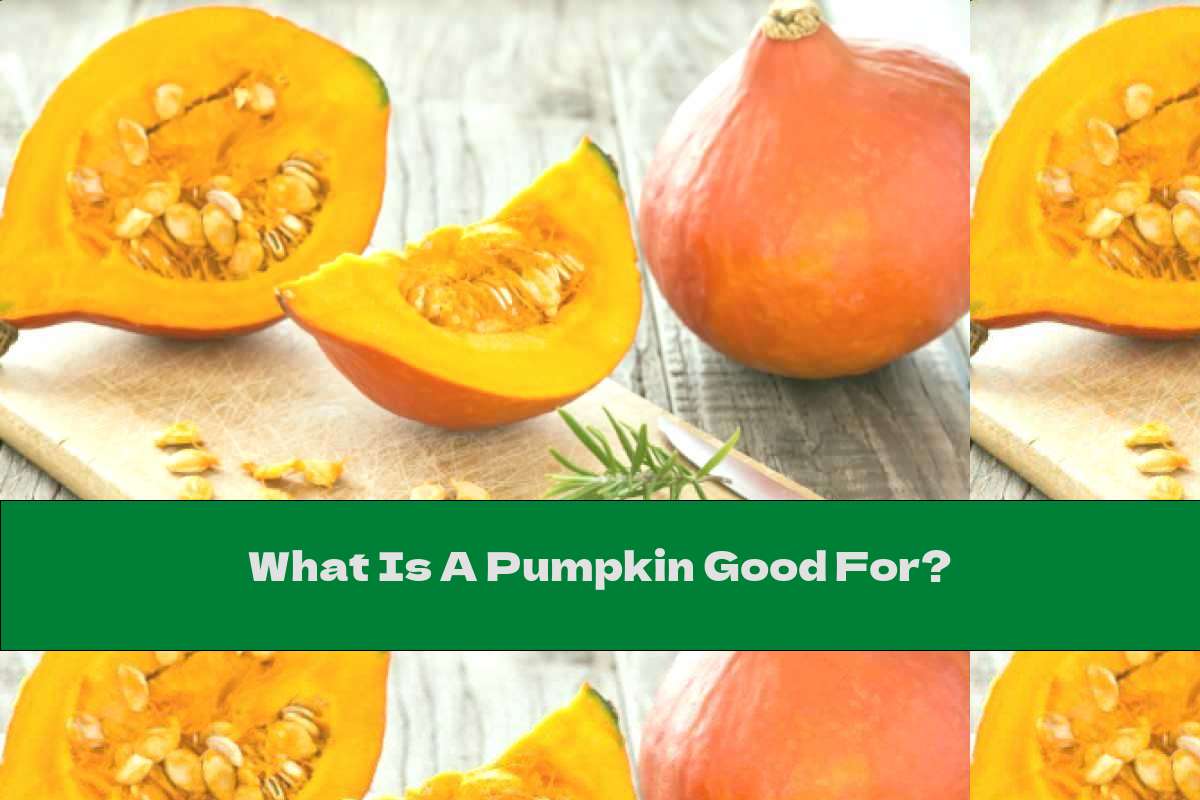
Pumpkin is rich in vitamins, trace elements and compounds that are extremely useful for the health of the body.
Pumpkin is extremely rich in vitamin A, which stimulates the immune system and successfully fights infections in the body. It is also high in vitamin C, which increases the production of white blood cells and helps wounds heal faster.
Pumpkin also has protein, vitamin B2, vitamin E, iron, potassium, manganese and smaller amounts of magnesium, phosphorus, zinc and folate. People who take potassium more often have lower blood pressure and a reduced risk of stroke .
Pumpkin contains antioxidants that can reduce chronic diseases . These include alpha-carotene, beta-carotene and beta-cryptoxanthin. They neutralize free radicals, preventing cell damage. An analysis of 13 studies showed that people with higher alpha and beta-carotene intake had a lower risk of stomach cancer.
These antioxidants also reduce the likelihood of eye diseases. A study found that people with higher beta-carotene intake had a lower risk of cataracts , which is a common cause of blindness. Pumpkin is a good source of lutein and zeaxanthin, compounds associated with reducing the likelihood of macular degeneration.
Individuals who take carotenoids contained in pumpkin reduce the risk of pancreatitis, chest and throat diseases.
Pumpkin is low in calories, as 94% of it is water. It is a good source of fiber, which saturates the stomach for a longer time and reduces appetite. The seeds are just as useful as the fruit itself. They improve the health of the bladder and heart.
Pumpkin contains compounds needed for healthy skin. They protect it from the ultraviolet rays of the sun. The vitamins it contains help produce collagen and protein for radiant and smooth skin.
It should be borne in mind that pumpkin has mild diuretic properties . Excessive consumption can cause an increase in the water and salt that the body excretes in the urine. Therefore, diuretics should be more careful when eating pumpkin.
Related Articles
Top Nutrition Articles Today
- . Foods Containing Carrageenan: A Comprehensive Guide for Your...
- . Foods For A Regular Stomach
- . The Truth About Potato Chips: Health Effects and Alternative...
- . The Importance of Carotene in Nutrition: A Complete Guide
- . Medicinal Drinks For Colds
- . The Nutritional Benefits of Figs: A Fiber-Rich Fruit Packed...
- . How To Cook Pork Liver And Mushrooms In Cream Sauce With Che...
- . Camel Meat
- . List of Foods that Contain Carrageenan: A Guide to Avoiding...
- . The Ultimate Guide to Creating a Well-Structured Diet Plan f...