What Nutrition Should Women Of Different Ages Emphasize
 Author: Alexander Bruni
Time for reading: ~2
minutes
Last Updated:
August 08, 2022
Author: Alexander Bruni
Time for reading: ~2
minutes
Last Updated:
August 08, 2022
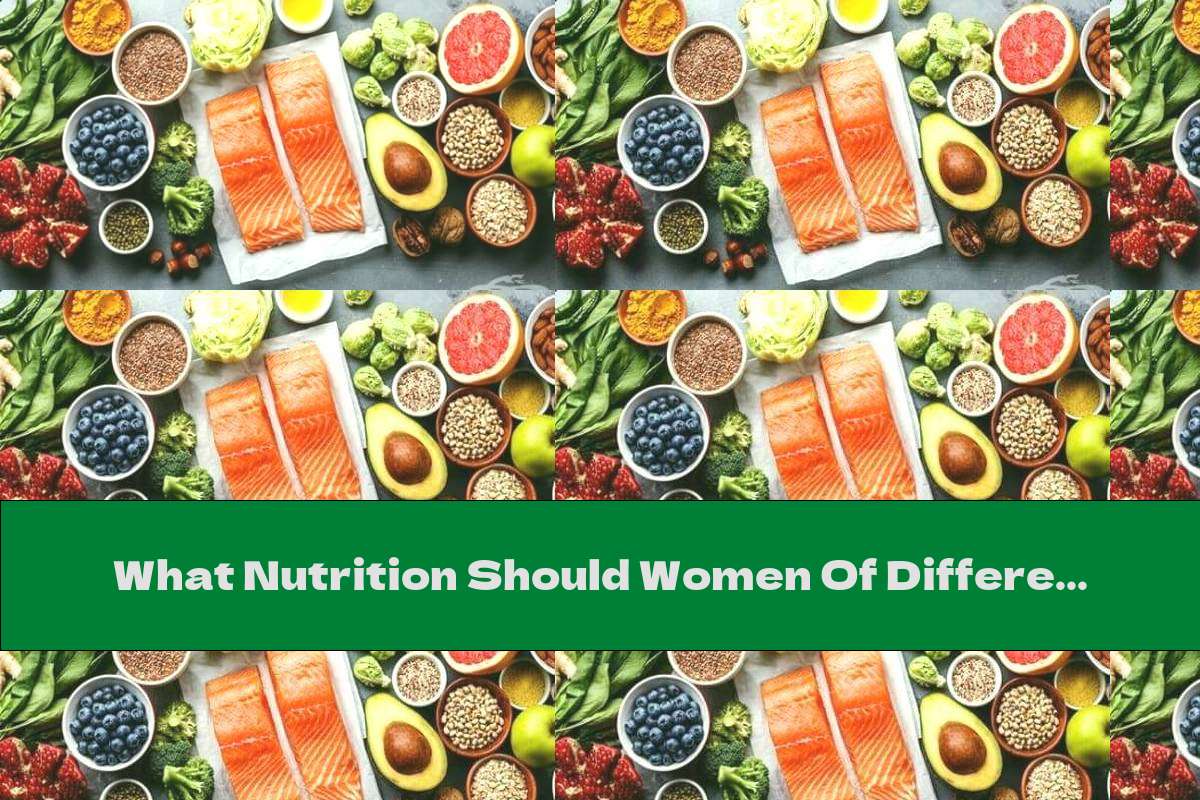
In this article, learn more about What Nutrition Should Women Of Different Ages Emphasize. What nutrition should women of different ages emphasize - part 3.
During different periods of our lives we need different vitamins and elements, which naturally suggests that the foods we need to emphasize also change. It is time to see how the elderly should eat.
Over 50 yearsAt this age, women are at risk for problems such as high cholesterol, high blood pressure or type 2 diabetes. A low-fat diet with more fruits and vegetables is the best way to prevent disease.
As women at this age enter menopause, they are affected in different ways. Problems such as decreased libido, osteoporosis and heart disease are associated with a decrease in estrogen during this period of life. These hormonal problems accelerate the loss of calcium from the bones, which increases the risk of osteoporosis. To prevent this, it is important to eat low-fat foods rich in calcium 3 times a day.
Smoking and a sedentary lifestyle can be a major problem, seriously damaging the bones. So you can include some exercises, such as yoga, brisk walking, just walk more or swim. Aim for a combination of exercises that tone and develop muscles. This will increase the speed of metabolism.
Also pay attention to fluids and drink 6-8 glasses of water or herbal teas a day and try to keep caffeine consumption low. Caffeine affects calcium absorption.
It is also good to eat at least once a week oily fish.
What to consume?
Follow a Mediterranean diet - this diet is based on lots of fresh fruits and vegetables, which will help you get a wide range of useful vitamins and minerals. Other health benefits include eating whole grains, lean meats, fish, and heart-healthy fats such as olive oil. Monitor your blood sugar and cholesterol levels.
Consume saturated fats - with age, the body's energy needs decrease, and body fat accumulates when we eat too many calories and burn a small part of them. Include monounsaturated and polyunsaturated fats from nuts, seeds and their oils in your diet, instead of consuming fatty animal products.
Photoestrogens - Soy foods such as tofu can help reduce some of the symptoms associated with menopause. Eating 15-25 grams a day of soy protein can help lower bad cholesterol. If you don't like soy, include other sources of phytoestrogens such as flaxseed, peanuts, legumes and sweet potatoes.
Omega 3 fatty acids - Your goal is to eat 3 times a week foods rich in omega 3, as they can help maintain bone and heart health. Eat canned mackerel, sardines, salmon (but not canned tuna). Other sources are eggs, nuts, seeds such as flaxseed and flaxseed.
Related Articles
- The Ultimate Guide to Hickory Smoked Bacon in Nutrition and Healthy Eating
- Fruitskewers in Honey Syrup: Nutritional Benefits and Recipes
- The Ultimate Guide to Buffer 500 in Nutrition: Benefits and Usage
- Nutritional Benefits of Fruit Skewers in Honey Syrup: A Delicious and Healthy Recipe
- Nutrition Guide: Fruitskewers in Honey Syrup - Benefits, Recipes, and More