What Snack To Choose?
 Author: Joe Fowler
Time for reading: ~2
minutes
Last Updated:
August 08, 2022
Author: Joe Fowler
Time for reading: ~2
minutes
Last Updated:
August 08, 2022
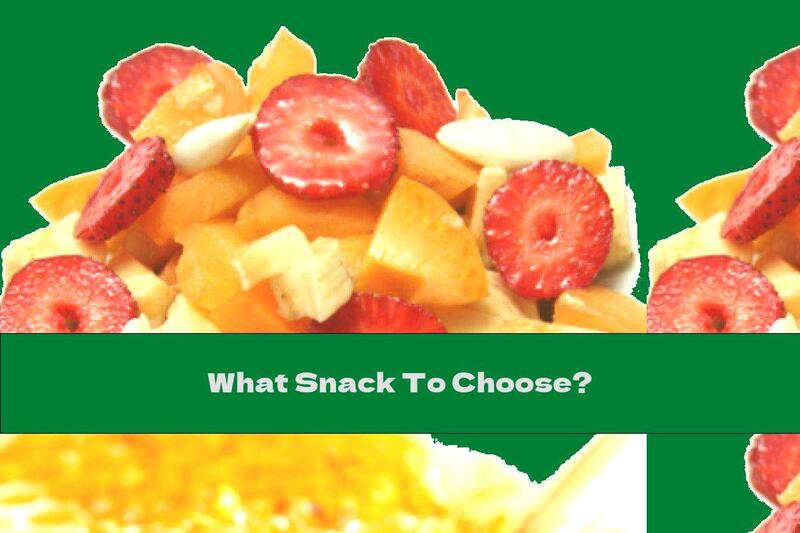
In this article, learn more about What Snack To Choose?. Can we afford and how much sugar and honey as a snack?.
What do you know about confectionery, honey and yogurt? They have also become one of the most common snacks.
Sugar is made from sugar beets or sugar cane. Commercially available sugar is almost pure sucrose (over 99%). Sugar is most often consumed with milk, soft drinks, coffee, tea, confectionery and more.
It is also included as a main ingredient in a number of food products, which can be classified into three groups:
- Confectionery - candy, halva and chocolate products.
- Pastry and sugar products - biscuits, waffles, etc.
- Confectionery - pastes, cakes, oriental pastries, etc.
They are characterized by good taste and high energy . If we do not overdo it, some can be a good snack. A piece of dark chocolate restores the body's tone and banishes drowsiness . Sugar powder can be extracted from sugar beet, which contains sucrose in combination with cellulose, organic acids and minerals (brown sugar). It is recommended to consume brown sugar before white sugar, because it has some beneficial effect on lipid and carbohydrate metabolism in the body.
Honey is a natural sugar product, composed almost entirely of a mixture of glucose and fructose. It also contains a number of enzymesnecessary for the vital activity of every cell and tissue. It contains micro- and macroelements such as calcium, sodium, potassium, magnesium, phosphorus, iron, sulfur and others. Honey contains organic acids and a certain minimum amount of proteins and vitamins (B2, B6, pantothenic and folic acid). Honey contains poorly studied biogenic stimulants that increase the vital activity of the body. It has proven antibacterial and antifungal properties , which is why it never molds. Honey optimizes important physiological functions in the body. 1-2 tablespoons of honey a day as a tea sweetener or in combination with wholemeal biscuits are a great choice for a snack.
One of the most famous snacks for Bulgarians is yogurt . Often as an afternoon snack we eat classic yogurt or one with a fruity taste. And we also combine the lactic acid product with honey, muesli or cornflakes.
Yogurt is produced by lactic acid fermentation caused mainly by lactobacilicus bulgaricus and streptococcus termofilus . In composition, yogurt resembles fresh milk, from which it is obtained, but differs in some respects - reduces the content of lactic acid, galactose, peptides, free amino acids, free fatty acids. The most important ingredient is lactic acid, which occurs during the breakdown of milk sugar. It has significant biological activity: it creates optimal conditions for the development of lactic acid bacteria and inhibits the development of putrefactive and pathogenic microflora in the colon .
Yogurt is a major source of calcium , especially for people suffering from intolerance to milk sugar. One bucket of yogurt (500 g) provides half of the daily needs of calcium.
Milk is the most balanced food product , which includes a whole range of essential nutrients. Therefore, it is an indispensable food for all ages. Cow's milk is of the greatest importance for the nutrition of the people in Bulgaria and worldwide.
It is important to distinguish between whole, low-fat and skim milk. Whole milk contains all its natural nutrients. When fat is removed from it, fat-soluble vitamins and part of the protein are removed . This lowers its biological value. Low-fat milk, of course, reduces the content of saturated fatty acids and cholesterol, but the energy content of the product is reduced insignificantly. It should be borne in mind that milk, especially sour milk, has a number of nutrients that reduce the atherogenic effect (a factor in the development of atherosclerosis ), so whole milk should not be considered harmful to health.
Related Articles
- Nutritional Benefits of Fruit Skewers in Honey Syrup: A Healthy and Delicious Snack
- The Nutritional Benefits of Salty Popcorn: A Healthy Snack Option
- The Nutritional Benefits of Popcorn: A Healthy Snack Option
- The Nutritional Benefits of Salty Popcorn: A Healthy Snack Option
- The Nutritional Benefits of Popcorn: A Healthy Whole Grain Snack