What To Eat To Keep Skin Healthy?
 Author: Maryam Ayres
Time for reading: ~1
minutes
Last Updated:
January 27, 2026
Author: Maryam Ayres
Time for reading: ~1
minutes
Last Updated:
January 27, 2026
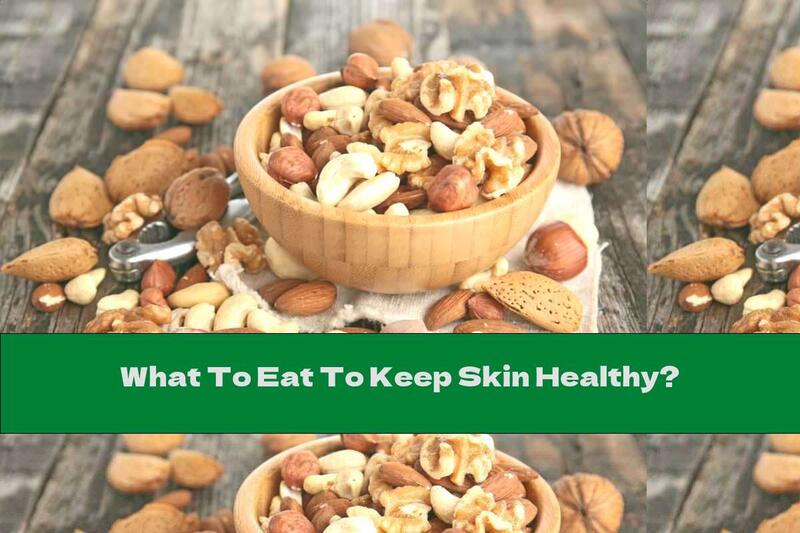
We need to eat more oily fish, nuts, avocados, tomatoes, broccoli and many other foods that make the skin healthy.
The food you eat affects all the organs in the body, but also the skin. Depending on the type of food, the appearance can be affected, and the skin can look young and healthy or with imperfections and aged. Therefore, foods that have a beneficial effect on the skin should be included in the daily menu.
Oily fish
Oily fish such as salmon, mackerel and herring are excellent food choices for healthy skin. This type of fish is a rich source of omega-3 fatty acids that keep the skin supple and hydrated. Omega-3 deficiency can cause dryness. Omega-3 acids also reduce inflammation, which can cause redness and acne. They can even make the skin less sensitive to sunlight. Oily fish also contains vitamin E, which protects the skin from free radicals, and zinc, which is important for the production of new skin cells.
Avocado
Avocados are high in healthy fats, which are important for keeping skin supple and hydrated. Studies also show that avocados contain compounds that can protect the skin from sun damage, which causes wrinkles and other signs of aging . Avocados also contain vitamin E, an antioxidant that protects the skin from oxidative damage.
Walnuts
Walnuts are a source of essential fatty acids - omega-3 and omega-6 . They reduce inflammation in the skin by successfully fighting bacteria and healing wounds faster. Walnuts also provide a good amount of antioxidants such as vitamin E and vitamin C, as well as selenium and protein.
Red wine
Red wine contains resveratrol, which reduces skin aging. It can slow down the spread of free radicals that damage skin cells. On the other hand, red wine should be consumed in moderation, as excessive intake leads to the opposite effect.
Also useful foods for the skin are sunflower seeds, sweet potatoes, soy, red and yellow peppers, broccoli, tomatoes , soy and others.
Related Articles
Top Nutrition Articles Today
- . Lutein And Lycopene
- . Green Pepper Nutrition
- . E162: The Natural Food Colorant with Health Benefits
- . Nutrition For Exacerbation Of Gastritis: General Recommendat...
- . The 500 Calorie Rule: Implementing Calorie Counting and Port...
- . The Nutritional Benefits of Raisins for Brain Health
- . List of Foods that Contain Carrageenan: A Guide to Avoiding...
- . The Importance of the Order of Food in Nutrition: Optimizing...
- . Lowering Cholesterol with Pectin: Benefits, Sources, and Tip...
- . How To Properly Switch From Starvation To Normal Nutrition