Which Vegetables Should Not Be Fried?
 Author: Marko Balašević
Time for reading: ~1
minutes
Last Updated:
January 27, 2026
Author: Marko Balašević
Time for reading: ~1
minutes
Last Updated:
January 27, 2026
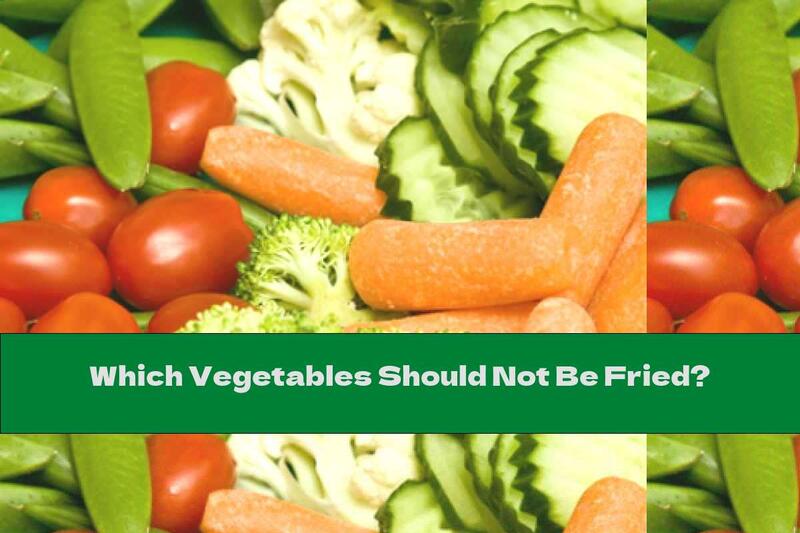
Some vegetables are better to be cooked, pressurized, baked or eaten raw, because frying them makes them toxic.
At high temperatures in hot fat, some vegetables become toxic .
Processed at high temperatures and high in fat, vegetables such as onions , garlic and zucchini can release the toxic compound acrylamide .
Even in slightly elevated amounts, acrylamide damages the nervous system and has been identified as a carcinogen to the human body.
People are advised to limit the frying of these products as soon as possible and switch mainly to healthier methods of heat treatment: cooking or cooking under pressure.
The longer the frying process, the more acrylamides are formed in the food, according to the US Institute of Public Catering.
Contamination occurs when conditions created by prolonged frying disrupt the chemical bonds of the aminoasparagine compound. This is a natural amino acid that is found in many foods and is not harmful to us, but when fried it breaks down into toxic acrylamide. If these vegetables are cooked or eaten raw, it is even a healthy ingredient, although it is not essential.
According to a study, the content of acrylamide in samples of products fried under standard conditions is as follows: garlic, onions, green peppers and zucchini contain between 101 and 360 micrograms of acrylamide per kilogram; eggplant and chervil - between 51 and 100 micrograms per kilogram, and broccoli, cabbage and tomatoes - between 11 and 50.
Intake of more than 1.2 micrograms per day, per kilogram of body weight of the recipient, is considered toxic poisoning, which can have serious consequences. Even at twice lower doses, this toxin can accumulate in the tissues and its effect can accumulate over time.
Related Articles
- The Power of Allium Vegetables: Health Benefits and Recipes
- The Power of Chicken and Vegetables: A Nutritional Guide
- The Power of Chicken and Vegetables in Nutrition | Benefits & Recipes
- The Power of Chicken and Vegetables in Nutrition | Benefits & Recipes
- Nutritional Benefits of Chowmein: Protein, Vegetables, and Balanced Macronutrients
Top Nutrition Articles Today
- . Steak Label
- . Health Benefits And Harms Of Cocoa, How To Drink, Recipes
- . Nutrition By Blood Type: Table Of Allowed And Prohibited Foo...
- . The Nutritional Benefits of Yellow Maize: A Versatile Grain...
- . High Lycopene Tomatoes
- . Herbs for Fibroids: Natural Remedies and Recipes for Fibroid...
- . Subway Footlong Calories Chicken
- . Nutrition For Edema: Diagnosis Of The Body And The Preparati...
- . The Ultimate Guide to Hickory Smoked Bacon in Nutrition and...
- . List of Foods that Contain Carrageenan: A Guide to Avoiding...