Whole Grains Fight Heart Disease
 Author: Maryam Ayres
Time for reading: ~1
minutes
Last Updated:
August 08, 2022
Author: Maryam Ayres
Time for reading: ~1
minutes
Last Updated:
August 08, 2022
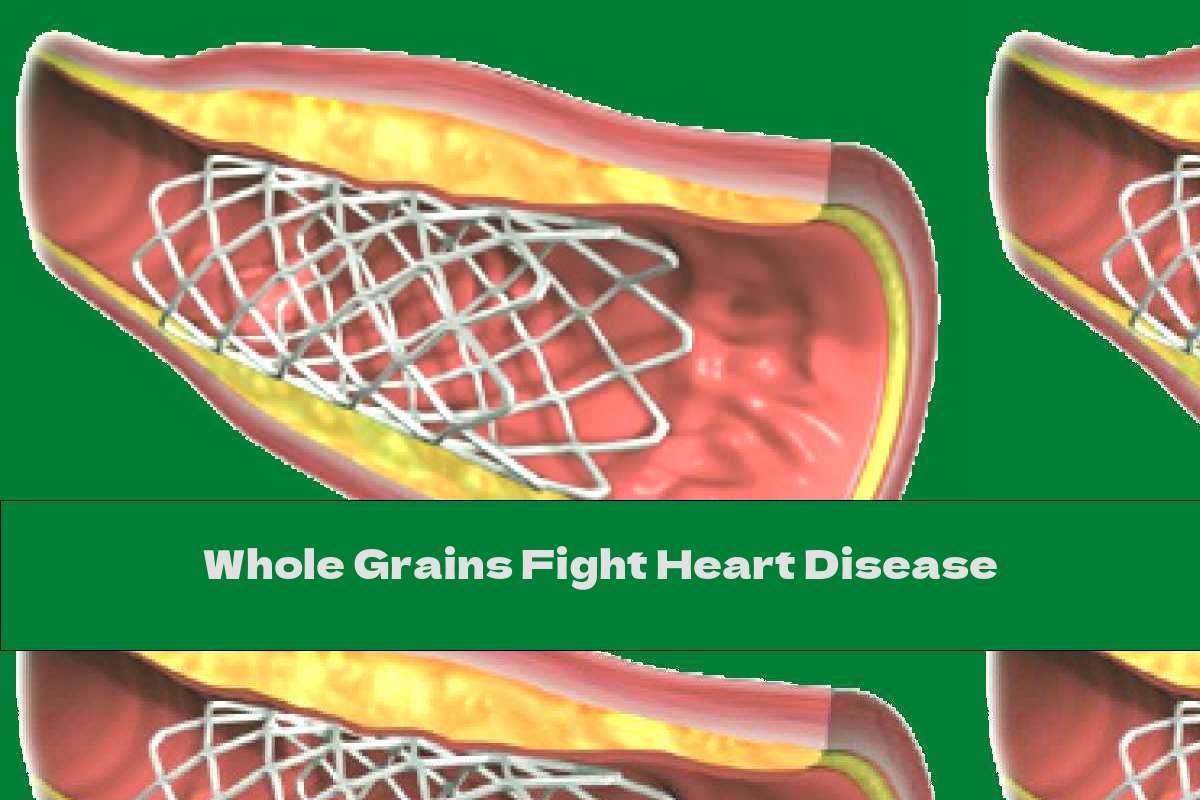
Eating enough whole grains protects against atherosclerosis and a fatal heart attack or stroke, a study shows.
Eating enough whole grains protects against atherosclerosis and a fatal heart attack or stroke, a study shows.
Among a group of men and women in a study of atherosclerosis and insulin resistance, those who ate high-fiber foods had the thinnest arterial walls and the lowest progression of weight gain over a 5-year period. the study is by Dr. Philip Mellen of the Wake Forest University School of Medicine in North Carolina.
Although a link has been established between the beneficial effect of whole grains on type 2 diabetes and heart disease, the exact mechanism by which they prevent atherosclerosis is unknown. To understand it, Dr. Melen and colleagues observed a group of 1,178 men and women of different ethnic backgrounds. They appreciated the consumption of black bread and processed cereals among these people. The thickness of the inner layers of the carotid arterial wall (intima and media) was measured at the beginning of the study and 5 years later.
The greater the use of whole grains, the less the thickness of the dishes. Other factors such as overall healthy eating, intake of certain nutrients have been equated to ensure that exactly the foods studied reduce the risk of atherosclerosis. Not only fiber, not only B or E vitamins have their effect. Here the overall effect exceeds the sum of the individual ones.
According to Dr. Mellon's inclusion of just a slice of wholemeal bread or a cup of oatmeal or muesli can be helpful. This is an extremely easy and convenient way to improve your menu.
Related Articles
- Nutritional Benefits of Beef Heart: A Complete Guide
- The Nutritional Benefits of Popcorn: A Healthy Whole Grain Snack
- The Nutritional Benefits of Beefheart: A Complete Guide
- Nutritional Benefits of Ox Heart: A Lean Protein Source
- The Power of Calcium Lactate: Benefits for Bone, Muscle, and Heart Health