Whole Grains - Good For The Colon
 Author: Karen Lennox
Time for reading: ~1
minutes
Last Updated:
August 08, 2022
Author: Karen Lennox
Time for reading: ~1
minutes
Last Updated:
August 08, 2022
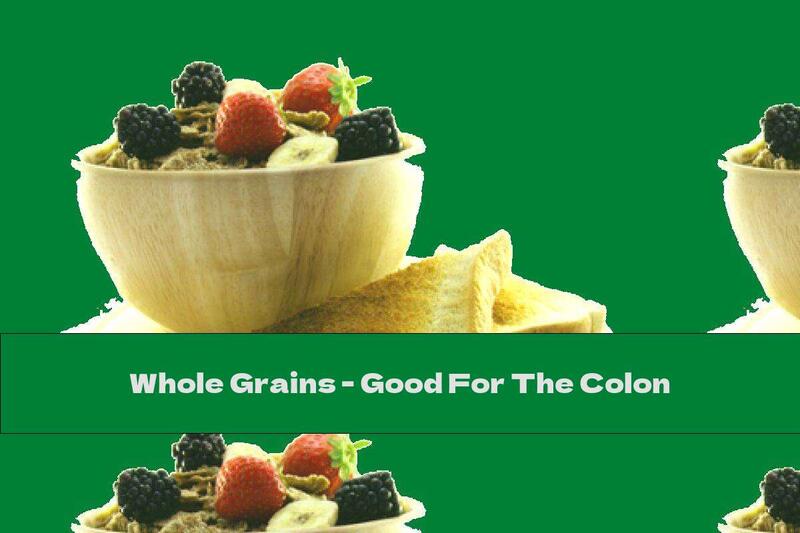
High dietary fiber intake, especially fiber and whole grains, is associated with a reduced risk of colon cancer.
Consumption of black bread and whole grains 3 times a day reduces by 1/5 the risk of developing colon cancer, a study shows.
Experts from King's College London and the University of Leeds are analyzing the results of 25 previous studies involving nearly 2 million people. They found a strong link between eating a diet rich in cereals and preventing colon cancer. Fiber is thought to help with bowel function.
According to the latest data, colon cancer is among the leading causes of morbidity and mortality in men and women in Bulgaria.
Consumption of three servings (90 g) of whole grains a day reduces by 20% the risk of insidious disease.
With each increase in daily fiber intake of 10 g , the risk of developing colon cancer is reduced by 10%.
Surprisingly, scientists have not found a high protective effect from consuming more legumes , such as beans, peas, lentils, as well as peanuts, fruits and vegetables .
The results are published in the British Medical Journal .
Another study showed that regular consumption of foods rich in fiber protects against polyps of the colon.
Polyps are benign formations of the mucosa. They are relatively common and can be localized in the stomach, small intestine and colon. When localized in the colon, polyps can cause complaints of abdominal pain, blood impurities in the stools, gas.
Physical activity also has a beneficial effect on the health of the colon - one hour of exercise a week is enough, without unnecessary and heavy loads.
Related Articles
- The Nutritional Benefits of Popcorn: A Healthy Whole Grain Snack
- The Power of Whole Foods: Nutrition Benefits and Tips for Your Diet
- The Ultimate Guide to Whole Grain Bread: Benefits, Recipes, and Tips
- The Ultimate Guide to Whole Foods in Nutrition | Benefits, Examples, and Tips
- The Ultimate Guide to Whole Grain Bread: Benefits, Recipes, and More
Top Nutrition Articles Today
- . One Meal a Day Menu: Benefits, Meal Planning, and Sample Men...
- . Nutrition In Cardiomyopathy
- . The Complete Guide to the Diabetic Diet: Key Components, Ben...
- . Sardines - Good For Bones
- . The Truth About Potato Chips: Health Effects and Alternative...
- . The Importance of Magnesium Chloride in Nutrition: Benefits...
- . Understanding Emulsifier E471: Functions, Health Concerns, a...
- . 7 Foods That Stimulate The Release Of Serotonin And Dopamine
- . List of Foods that Contain Carrageenan: A Guide to Avoiding...
- . The Power of 100% Cocoa Dark Chocolate: Benefits and Uses