Wholemeal Bread Protects The Heart
 Author: Alexander Bruni
Time for reading: ~1
minutes
Last Updated:
August 08, 2022
Author: Alexander Bruni
Time for reading: ~1
minutes
Last Updated:
August 08, 2022
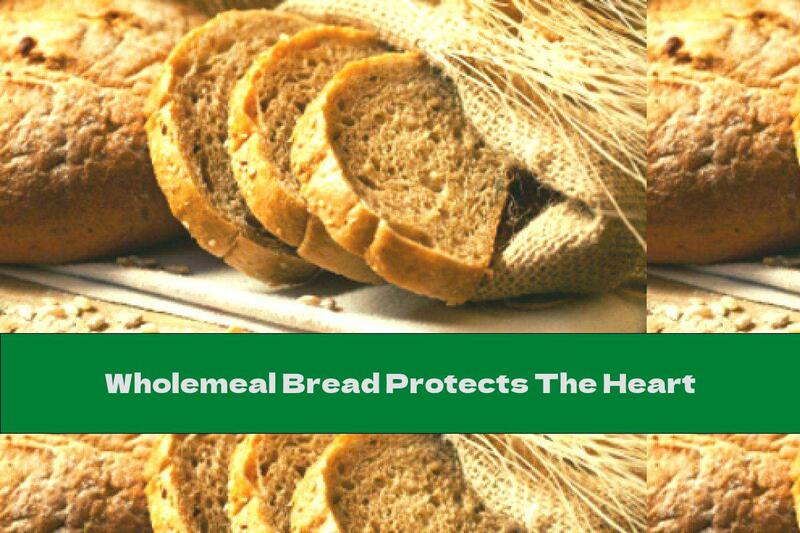
Spanish scientists have discovered the usefulness of whole grains compared to white flour pasta.
Researchers at Madrid State University found that volunteers had metabolic factors that act directly on good cardiovascular health. Wholemeal bread affects the lipid profile of the consumer, they said in a university publication.
To make a clearer contrast between white and wholemeal bread, the team compared the results of about 300 people - half consuming white bread, the other half - wholemeal. 98% of those with whole grains only after 4 weeks were very different from the rest: with significantly reduced "bad" LDL cholesterol and more stable levels of "good" - HDL.
The study also found lower insulin concentrations in their blood. This is extremely important because if the body does not respond adequately to the action of insulin, it becomes impossible for glucose to reach the inside of the cells and remain in the blood. This mechanism, known as insulin resistance , is among the major pathological processes leading to the development of type 2 diabetes . This disease carries a greatly increased risk of heart disease.
Another specific factor of whole grains is their high fiber content, which facilitates digestion and prevents the rapid release of glucose, which leads to its accumulation in another form in adipose tissue.
When its flour is pre-processed, white bread becomes more durable, but remains deprived of almost all of its fiber content. Wholemeal bread contains about 5 grams of fiber per slice.
Last but not least, wholemeal bread is an excellent source of carbohydrates, vitamins and minerals, of which white bread is poorer: manganese, tryptophan and magnesium have about twice the concentration. About 60% of the useful vitamins are found in the shell of the grains and are lost in the processing of white flour, but in whole grains are in full composition: vitamins B 1 , B 2 , B 3 , E and folic acid, minerals calcium, phosphorus, zinc and honey.
Related Articles
- Nutritional Benefits of Beef Heart: A Complete Guide
- Nutritional Benefits of Millionaires Shortbread: A Delicious and Balanced Treat
- Nutritional Benefits of Panera Country Bread: A Healthy Choice for Your Diet
- Nutritional Benefits of Panera Country Bread: A Healthy Option for Your Diet
- The Nutritional Benefits of Beefheart: A Complete Guide