Why Do We Eat After Eating Fruit? Fructose ...
 Author: Marko Balašević
Time for reading: ~1
minutes
Last Updated:
August 08, 2022
Author: Marko Balašević
Time for reading: ~1
minutes
Last Updated:
August 08, 2022
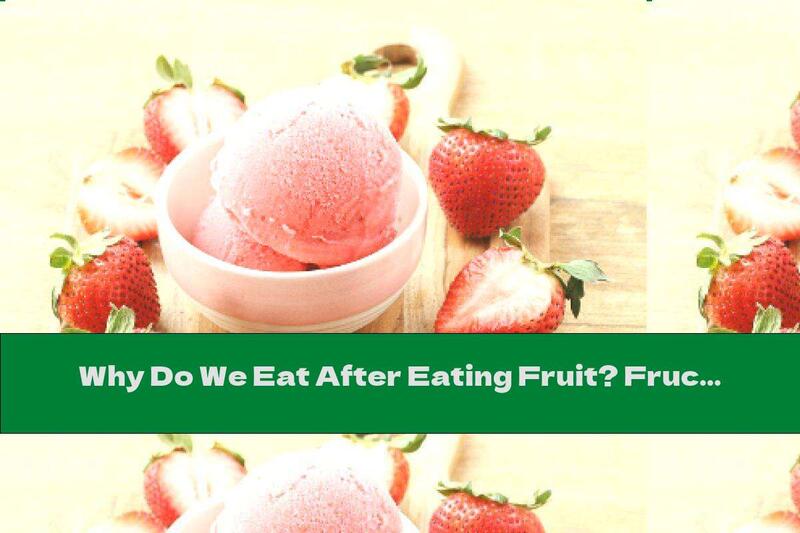
Fructose turns out to be more than glucose stimulates the brain centers responsible for appetite. The solution ...
It has probably happened to you, even if you did not feel hungry, after eating fruit, just to prevent starvation later, to feel the need for food. This is hardly a problem if it is noon, but it is an unpleasant phenomenon if you decide to go on a weight loss diet or the feeling appears at no time, again.
The effect of appetite stimulation, apparently, the fruit is due to its fructose, it is clear from material in the Proceedings of the National Academy of Sciences. In a study of 24 volunteers, researchers from the University of Southern California School of Medicine found that among those who ate breakfast, they contained fructose. or glucose products, people from the first group remain hungry. Moreover, eating fruit is much more likely to go into a state of "wolf hunger" than those who eat carbohydrates from cereals, for example. In the end, fructose drinkers (15 g per day) consumed much more food and accumulated more calories.
Fructose activates many more areas in the brain that are involved in the reward and motivation system, explained Kathleen Page's team. This provokes the desire to eat more after eating fruit. In the experiment, the researchers also reported that the volunteers even gave up material gain before choosing to continue eating or not.
Scientists also track the changes that occur in the blood and brain after consuming fructose or glucose through blood tests and a scan - the values of hormones and the emergence of the brain response that underlies appetite.
To avoid the unpleasant effect on the body of fructose, they recommend during the day to reduce the consumption of sweets, sodas and other products that contain fruit sugar.
An apple or other fruit would not cause an episode of "wolf hunger" if consumed 2 hours after the main meal as a snack and a balanced diet is established, in which food is taken at intervals of 2-3 hours, but in small portions.
Related Articles
- The Ultimate Guide to Hickory Smoked Bacon in Nutrition and Healthy Eating
- The Ultimate Guide to Nutritional Eating: Importance, Key Nutrients, Benefits, and Recipes
- The Ultimate Guide to Creating a Well-Balanced Diet Plan
- The Ultimate Guide to Creating a Well-Balanced Diet Plan
- Nutrition and Libido: Boost Your Sex Drive with Healthy Eating