Why Is Garlic So Good For Health?
 Author: Alexander Bruni
Time for reading: ~1
minutes
Last Updated:
August 08, 2022
Author: Alexander Bruni
Time for reading: ~1
minutes
Last Updated:
August 08, 2022
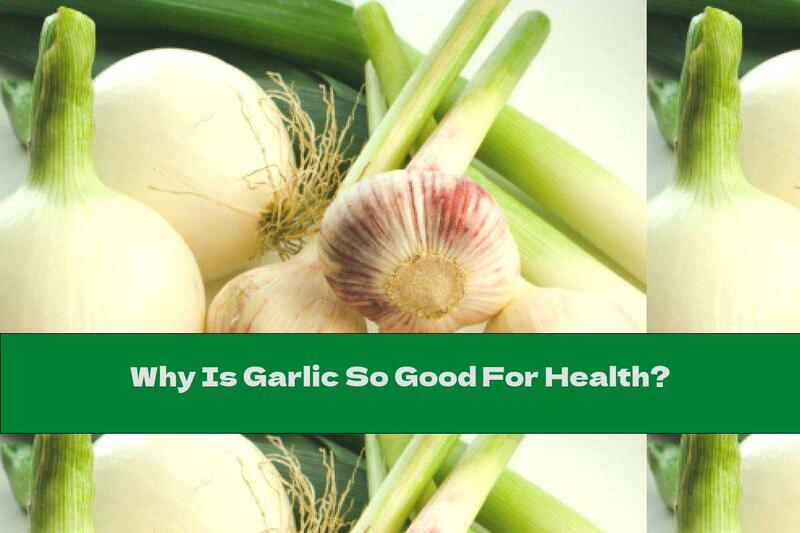
In this article, learn more about Why Is Garlic So Good For Health?. Garlic is best known for its antibacterial and antiviral properties..
Garlic has been used since time immemorial as a medicine that prevents a number of diseases and conditions. It contains a wide variety of powerful sulfur-containing compounds, which are due to its characteristic pungent odor.
One of the compounds in garlic - allicin, has antibacterial, antiviral, antifungal, and antioxidant properties. The compound, along with other ingredients, affects the circulatory, digestive and immune systems, it also helps to lower blood pressure levels, detoxify and heal. It is also a source of selenium.
Garlic is best known for its antibacterial and antiviral properties. They help control bacterial, fungal, viral and other infections. Fresh garlic is believed to play a role in preventing food poisoning by killing bacteria such as Escherichia coli, Salmonella enteritidis, and others.
Angiotensin II is a protein that helps constrict blood vessels, leading to lower blood pressure levels.
Its consumption protects against cardiovascular problems such as heart attack and atherosclerosis. With age, the arteries begin to lose their elasticity - a process that garlic can prevent to some extent. It also protects the heart from the harmful effects of free radicals.
Garlic prevents the formation of clots in the blood, as well as the blockage of blood vessels.
Another health benefit is a moderate reduction in blood triglycerides and cholesterol levels, and also reduces the formation of arterial plaque.
Related Articles
- Garlic Intolerance: Causes, Symptoms, and Management Strategies
- Nutritional Benefits of Roasting Pork Sausages with Onions, Garlic, and Tomatoes
- Garlic Intolerance: Symptoms, Causes, Diagnosis, and Management
- Ammonium Bicarbonate: A Leavening Agent for Light and Fluffy Baked Goods
- The Importance of Nutrition for Good Health and Disease Prevention