Why Is It Important To Eat Fish Oil?
 Author: Ivan Red Jr.
Time for reading: ~1
minutes
Last Updated:
August 08, 2022
Author: Ivan Red Jr.
Time for reading: ~1
minutes
Last Updated:
August 08, 2022
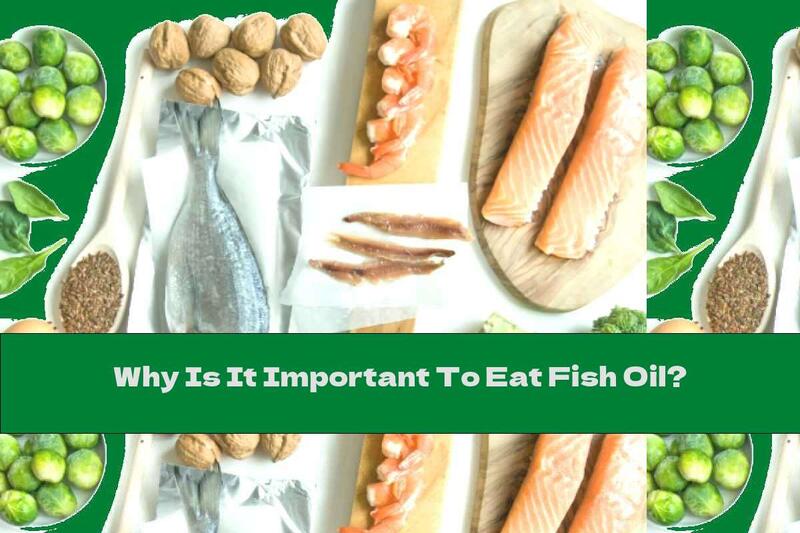
Fish oil contains omega-3 fatty acids, which have a preventive effect against a number of diseases
Fish oil contains omega-3 fatty acids , which are found in sea fish and some plants. It is rich in vitamin D, which is synthesized in the skin when exposed to the sun.
Fish oils have a positive effect in patients with multiple sclerosis due to the protective effects on the brain and nervous system. According to a study, fish oils in combination with a low-calorie diet can reduce the risk of developing prostate cancer. During pregnancy, consumption of fish oil may reduce the likelihood of developing postpartum depression.
Experts say that eating fish high in omega-3 two or three times a week can be very good for health. It is recommended to get fatty acids through food, not by taking supplements .
Another study conducted in 2007 claimed that fish oils helped with mental problems, especially hyperactive syndrome . The impact on children is also positive.
Intake of omega-3 fatty acids improves the memory of young people. They can also protect your heart during stress , and frequent consumption of fatty acids reduces the risk of heart attack. Studies show that people who take fish oil for more than a month have better cardiovascular function.
It is recommended to eat oily fish at least twice a week. Fatty fish rich in omega-3 fatty acids are: herring, salmon, sardines, trout, mackerel and others. Alternatives to fish oil are: flax, hemp seeds, spirulina, walnuts, chia, fresh basil, spinach and more.
A diet high in fish, omega-3 oils, fruits and vegetables has been shown to reduce the risk of dementia and Alzheimer's disease .
The intake of omega-3 oils should be moderate, as there are some risks. One reason is that omega-3 oils can affect blood clotting, cause side effects such as gastrointestinal problems, and those who are allergic to fish may be at risk. Therefore, a varied diet in moderation is needed.
Related Articles
- The Health Benefits of Boiled Cod Fish: Recipes and Nutrition
- Nutritional Benefits of Boiled Codfish: Omega-3s, Vitamin B12, and More
- Nutritional Benefits of Fish Roe: Omega-3, Protein, Vitamins & More
- The Nutritional Value of Fish Cakes: A Healthy Addition to Your Diet
- Nutritional Value of Fish Cakes: Benefits for Your Health
Top Nutrition Articles Today
- . The Ultimate Guide to Whey Protein: Benefits, Types, Uses, a...
- . Nutrition and Hepatic Cysts: Managing Your Liver Health
- . How To Cook Bavarian Cream With White Chocolate - Recipe
- . Fast Food: Harm To The Body And Ways To Solve The Problem
- . How To Cook Compote
- . Don't Eat These Foods If You Don't Want To Get Angry
- . Very Low-Calorie Diets (VLCDs): Benefits, Risks, and Meal Id...
- . The Role of Raising Agents in Nutrition: Types, Functions, a...
- . Nutrition Guide: Diet for Fatty Liver and Alcohol-Induced Li...
- . List of Foods that Contain Carrageenan: A Guide to Avoiding...