Wild Boar Meat
 Author: Mark Velov
Time for reading: ~1
minutes
Last Updated:
August 08, 2022
Author: Mark Velov
Time for reading: ~1
minutes
Last Updated:
August 08, 2022
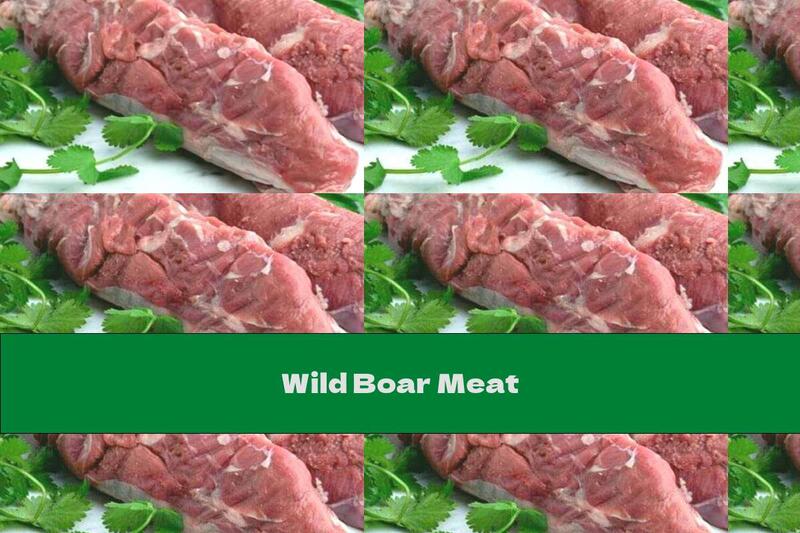
In this article, learn more about Wild Boar Meat. Wild boar meat.
The nutrients and proportionality in wild boar meat vary depending on the species, size of the animal and other factors that influence their change. Like ordinary pork, wild boar is high in important nutrients and vitamins. Some of them are vitamins B12 and B3.
Consumption of meat is recommended for people suffering from iron deficiency anemia, diabetes, arthritis, and the content of niacin helps reduce blood cholesterol. The above-mentioned vitamins promote the development of the fetus in pregnant women and enrich breast milk. Ideal for consumption during dynamic physical activity.
In addition, it favors the cardiovascular, respiratory and gastrointestinal systems. This is due to protein, calcium, fiber, magnesium and B vitamins. All of these nutrients are vital for building body tissues, building muscles, regulating body fluids, and more. Meat has 12% fewer calories than beef and 20% less than pork, so it is suitable for diets.
Contains folic acid, alpha carotene, alpha-tocopherol, bera carotene, dietary folate, retinol and minerals such as calcium, zinc, chlorine, cobalt, copper, chromium and aluminum. Boar is difficult to find on the market, however, it is not impossible to get from hypermarket chains. Explainable why its price is different from that of ordinary pork. Cooking meat is not complicated. It only needs to undergo serious heat treatment. The most favorable texture is obtained when its internal temperature is between 71 to 77 ° C.
In Spain, the so-called "ham serrano" is produced from the hams of feral pigs fed on a special variety of acorns. Processed by special technology, their price varies between 400-1000 euros, even more per piece. It is consumed mainly due to its nutritional qualities and effect on the body.
If you ever get the chance to try it, be sure to do it.
- Horse meat
- Why it is useful to eat goose meat
- Is it useful to eat chicken
- Sazdarma
Related Articles
- The Role of Meat in Nutrition: Types, Diets, and Cooking Methods
- The Nutritional Benefits of Wild Boar: A Lean and Protein-Rich Meat
- The Ultimate Guide to Vegetarian Meatloaf: Benefits, Recipes, and More
- Nutritional Benefits of Wild Boar Meat: A Lean Protein Source
- The Ultimate Guide to Lean Meat: Benefits, Recipes, and Tips
Top Nutrition Articles Today
- . Diet After Surgery Of The Small And Large Intestine
- . Jam For Breakfast To Lose Weight? Why Not?
- . The Importance of Food Labels in Nutrition: A Comprehensive...
- . The Role of Acidity in Nutrition: Understanding pH Levels an...
- . How To Reduce Appetite
- . Nutrition in 2025: Trends, Technologies, and Future Outlook
- . Crohn Pain And Ulcerative Colitis
- . The Role of Sodium in Soups: Impact on Health and Tips for H...
- . Lentils - Saturate And Provide Folic Acid
- . The Truth About Potato Chips: Health Effects and Alternative...