16 Foods To Boost Immunity
 Author: Victoria Aly
Time for reading: ~4
minutes
Last Updated:
August 08, 2022
Author: Victoria Aly
Time for reading: ~4
minutes
Last Updated:
August 08, 2022
CHAPTERS (Table Of Contents)
In this article, learn more about 16 Foods To Boost Immunity. What are the foods that the body really needs to stay healthy?.
One of the most important conditions to stay healthy is to build habits that strengthen immunity. This means getting enough sleep, learning to manage stress, being active, spamming good personal hygiene, and last but not least, eating well.
Although no food or supplement can "cure" or even be a 100% shield against viruses and bacteria, some foods have been shown to help boost immunity . Here are some suggestions.
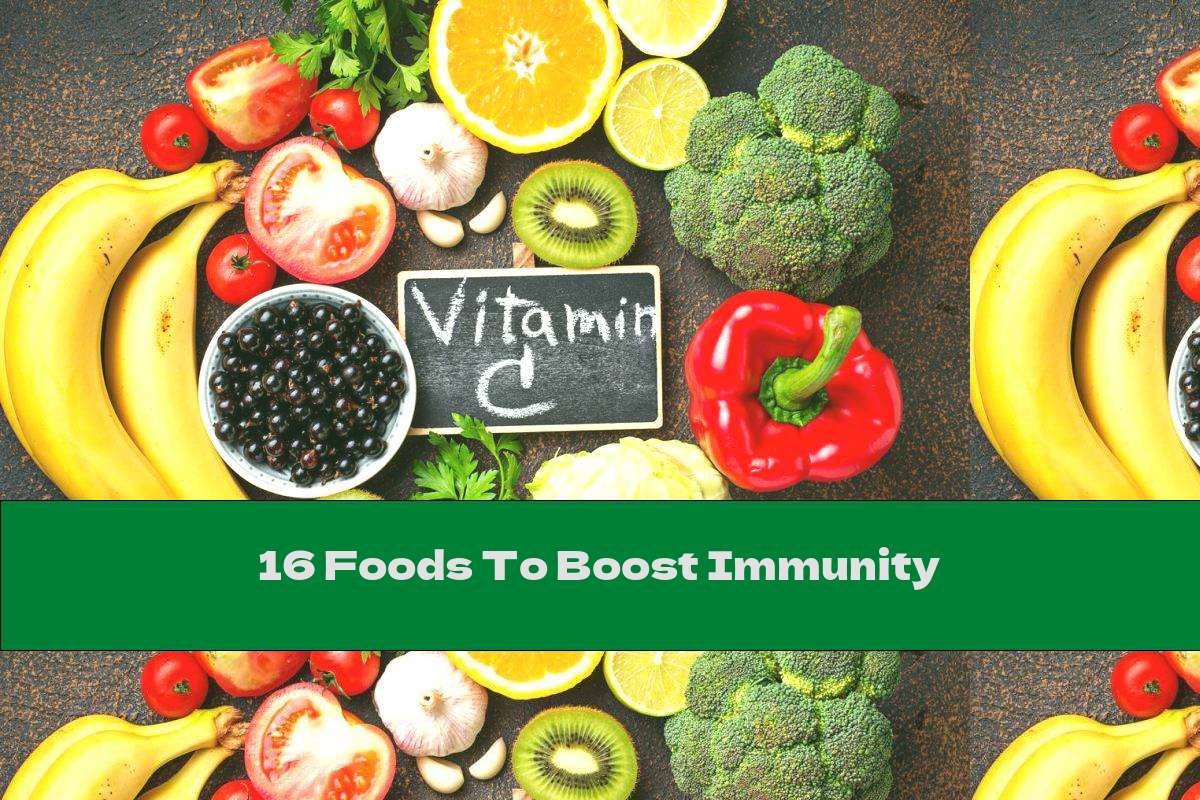
Citrus fruits and red peppers
Vitamin C - the nutrient is the superstar in citrus. It is known for its role in supporting the immune system. And although vitamin C cannot prevent disease, it has been studied in people with respiratory infections, with the benefits seen mainly in those who have had enough.
It is not clear whether this is partly a cause or a consequence, but research supports the idea of consuming about 200 mg per day to prevent infections. This is the amount shown in saturation studies, which means that more vitamin C is not needed. One medium orange provides 70 mg, one grapefruit contains almost 90 mg, and raw red pepper contains 150 mg. Vitamin C.
Sunflower seeds and almonds
In addition to vitamin C, vitamin E plays a key role in immunity. This fat-soluble vitamin enhances the activity of immune cells to maintain the body's ability to repel invading bacteria and viruses.
One serving of 30 g of sunflower seeds or a quarter cup provides about half of the recommended daily dose of vitamin E. The same serving of almonds contains 45% of the daily dose.
Sweet potatoes and carrots
These vegetables are the best sources of beta carotene, a precursor to vitamin A. The nutrient supports the immune system by taking care of the production of white blood cells that fight bacteria and viruses. It also helps to form the mucous membranes that cover the airways, which acts as a protective barrier to protect the body. Baked sweet potatoes contain over 150% of the daily dose of vitamin A cup of raw carrots over 100% of the recommended intake.
Brazilian nuts and sardines
Too little of the mineral selenium has been shown to slow down the immune response. Selenium is also a powerful antioxidant, which means it can prevent cell attacks in ways that damage DNA. A portion of 30 grams of Brazilian nuts - about six to eight whole nuts, provides nearly 1000% of the daily value for selenium. About 85 g of sardines provide over 80%.
Roasted beans and pumpkin seeds
Zinc affects many aspects of the immune system. The production of certain immune cells is limited when the intake of zinc, and it is key to the normal development and functioning of the immune system. One cup of roasted beans provides more than half of the recommended daily intake of zinc, and 30 g or a quarter cup of pumpkin seeds contains 20%.
Turmeric
Curcumin, the natural compound in turmeric responsible for its vital color, is a powerful anti-inflammatory compound. It has also been shown to enhance immune cellular activity and enhance antibody responses. Combining turmeric with black pepper significantly increases the bioavailability of curcumin.
Dried cherries
The high content of antioxidants in dried cherries is linked to the immune system, including a reduced risk for the upper respiratory tract. Cherries also maintain healthy sleep due to their natural melatonin content, which is crucial because research shows that people who do not get enough quality sleep are more likely to get sick when they encounter a virus.
Nuts
In addition to being among the most popular anti-inflammatory foods, walnuts contain several nutrients that play a role in supporting the immune system, including vitamins E and B6, honey and folic acid. Walnuts are also recommended in research to reduce psychological stress.
Garlic
In one study, 146 volunteers were assigned to receive either a placebo or a garlic supplement every day for 12 weeks during the cold season. It turns out that the group that consumed garlic experienced significantly fewer colds than the placebo group.
Recent studies confirm that old garlic extract can enhance the function of immune cells. In the study, healthy adults between the ages of 21 and 50 received either a placebo or a mature garlic extract for 90 days. Although there was no difference in the number of illnesses between the groups, those who received garlic passed the cold and flu more easily, with fewer symptoms and fewer missed days of work or school.
Pomegranate juice
Pure pomegranate juice is another food that maintains immunity through its antimicrobial and anti-inflammatory activity. It has also been found that the flavonoid antioxidants contained in pomegranate juice fight viruses and reduce the duration of colds by up to 40%.
Green vegetables
Green vegetables provide anti-inflammatory antioxidants as well as key nutrients that are known to help the immune system function, including vitamins A and C, and folate. They also provide bioactive compounds that release a chemical signal that optimizes immunity in the gut - the location of 70-80% of immune cells.
Related Articles
- Nutrition for Respiratory Health: Supporting Your Lungs with the Right Foods
- The Ultimate Guide to High Gluten Foods: Benefits, Sources, and Recipes
- The Ultimate Guide to High Gluten Foods: Effects, Benefits, and Recipes
- Boost Digestive Health with Buffer 500 - Benefits & Recipes
- The Power of E414 Gumarabic: A Nutritional Boost for Your Diet
Top Nutrition Articles Today
- . Steak Label
- . Nutrition and Albinism: Managing the Condition Through Diet
- . Can You Take A Bath When You Have A Cold?
- . The Truth About Potato Chips: Health Effects and Alternative...
- . List of Foods that Contain Carrageenan: A Guide to Avoiding...
- . THE EATING ORDER – FOOD SEQUENCE IS IMPORTANT
- . Diet for Fatty Liver and Alcohol-Induced: A Comprehensive Gu...
- . The Power of 100% Cocoa Dark Chocolate: Benefits and Uses
- . 10 Day No Sugar No Carb Diet
- . Understanding E476 in Nutrition: Benefits, Foods, Concerns,...