4 Foods That Keep Appetite Away
 Author: Ivan Red Jr.
Time for reading: ~1
minutes
Last Updated:
January 27, 2026
Author: Ivan Red Jr.
Time for reading: ~1
minutes
Last Updated:
January 27, 2026
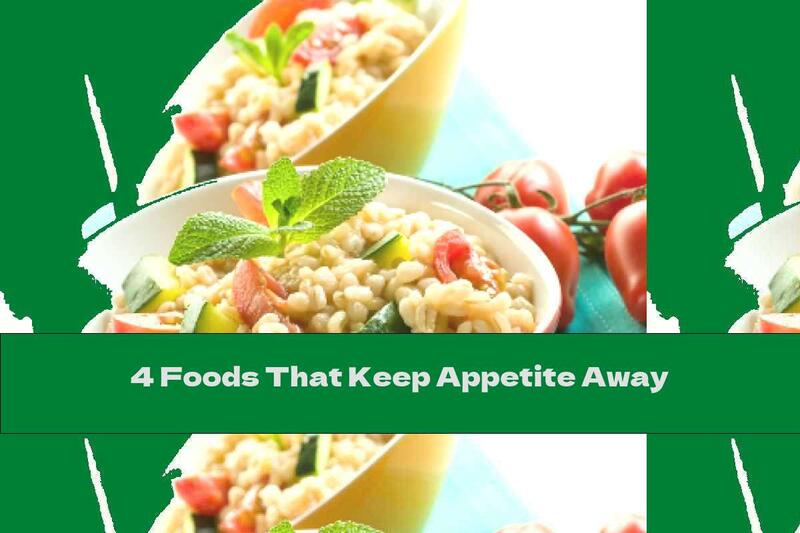
Consumption of foods that are more difficult to digest leaves the feeling of satiety for longer and suppresses appetite.
When looking for something that satisfies us for a long time, we should focus on eating foods that provide more energy and keep us away from the refrigerator for a while.
Foods that are harder to digest "engage" the body and leave the feeling of satiety for longer, and also burn more calories . Here's what to consume ...
1. Barley
Although barley is a carbohydrate that is often associated with rapid energy burning, researchers have found that consuming it can reduce appetite as well as blood sugar levels and, consequently, the risk of diabetes .
It turns out that people who consume barley bread three times a day increase metabolism until 14 hours later. Barley can be added to salads, soups and stews. It can also be used as an alternative to rice and potatoes.
2. Red pepper
Experts from Purdue University in the United States say that red pepper can suppress appetite and increase calorie burning. The amount of just one teaspoon is enough to temporarily support the metabolism .
3. Lean meat
When it comes to appetite control , lean meat is a great choice. Consumption of quality protein can keep hunger at bay between meals. The amount of about 115 g of lean meat is enough.
Vegetarians could get protein from legumes such as lentils , beans and chickpeas, as well as from green leafy vegetables such as spinach, broccoli , and kale.
4. Almonds
Eating a handful of almonds can satisfy the hunger that occurs after breakfast. Researchers have found that eating almonds satisfies and leads to reduced food consumption during lunch and dinner.
Related Articles
- Nutrition for Respiratory Health: Supporting Your Lungs with the Right Foods
- The Ultimate Guide to High Gluten Foods: Benefits, Sources, and Recipes
- The Ultimate Guide to High Gluten Foods: Effects, Benefits, and Recipes
- Nutrition and Libido: Enhance Your Sex Drive with the Right Foods
- Understanding E+631 in Nutrition: Health Implications, Common Foods, and Alternatives