40% Reduced Risk Of Breast Cancer With A Mediterranean Diet
 Author: Ivan Red Jr.
Time for reading: ~1
minutes
Last Updated:
August 08, 2022
Author: Ivan Red Jr.
Time for reading: ~1
minutes
Last Updated:
August 08, 2022
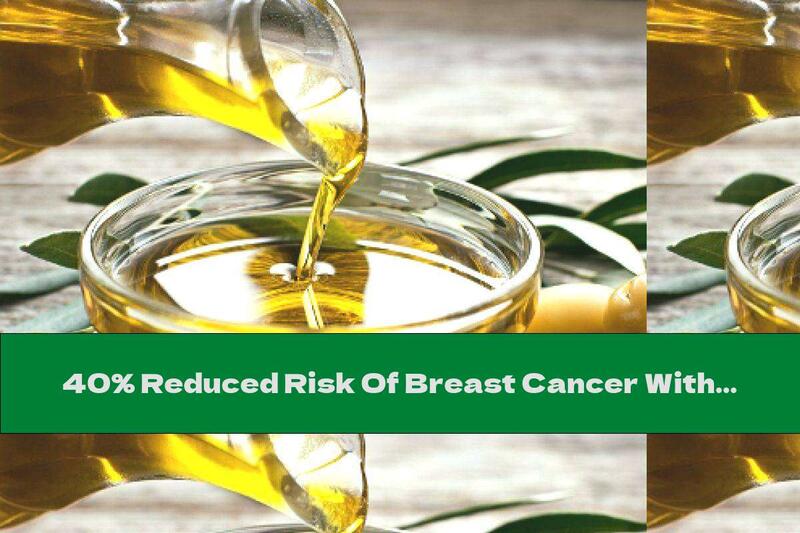
A diet rich in plant proteins, fish and olive oil reduces the likelihood of developing breast cancer.
Researchers have observed and carefully documented the eating habits of more than 62,000 women over a period of 20 years to determine how breast cancer affects the onset and development of breast cancer.
The study found that those women who followed a close-to-Mediterranean diet had a 40% lower risk of developing the most common type of breast cancer. The diet in question includes mainly vegetable proteins, fish and olive oil.
The form of cancer that can be avoided with this diet is not stimulated by the hormone estrogen, is often more difficult to treat than estrogen-dependent forms, and is much more likely to be fatal.
In 2011 alone, 3,885 new cases were registered in Bulgaria and 1,284 women died. The incidence among Bulgarian women is increasing by 1.8% per year.
A typical Mediterranean diet includes a rich intake of plant proteins such as nuts , lentils and legumes , whole grains and healthy, monounsaturated fats such as olive oil . Consumption of processed cereals such as white bread and white rice , red meat and sugary sweets is minimized.
Alcohol, which traditionally has its place in the Mediterranean diet, was excluded from the study because of the 55,000 new manifestations of the disease each year in the UK alone, at least 12,000 are alcohol-related. According to scientists, they can be prevented if you stop drinking alcohol.
In addition to reducing the risk of breast cancer, the Mediterranean diet has a protective effect against insulin resistance and hormones involved in ovulation and important for reproductive health.
Related Articles
- The Ultimate Guide to E120i (Carmine) in Nutrition: Benefits, Usage, Recipes, and Risks
- Nutrition for Respiratory Health: Supporting Your Lungs with the Right Foods
- The Nutritional Value of Avocado Calories: Benefits, Diet Tips, and Recipes
- The Ultimate Guide to Diet ��� 7 for Improved Nutrition
- The Impact of Potato Chips on Health: Nutritional Content, Risks, and Alternatives
Top Nutrition Articles Today
- . Health Benefits And Harms Of Cocoa, How To Drink, Recipes
- . Steak Label
- . Nutrition By Blood Type: Table Of Allowed And Prohibited Foo...
- . Grapefruit - For Colds And Flu
- . The Ultimate Guide to Hickory Smoked Bacon in Nutrition and...
- . Myra E: Benefits for Nutrition, Diets, and Recipes
- . The Ultimate Guide to Potassium Nitrate in Nutrition
- . The Nutritional Benefits of Yellow Maize: A Versatile Grain...
- . List of Foods that Contain Carrageenan: A Guide to Avoiding...
- . The Truth About Potato Chips: Health Effects and Alternative...